Industrial Chemicals
INR 52
INR 55
 Chat with us
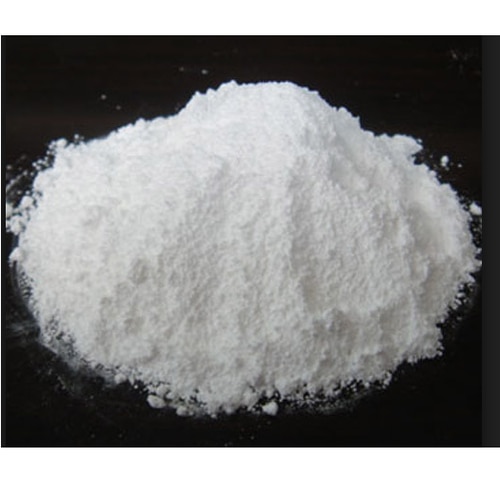
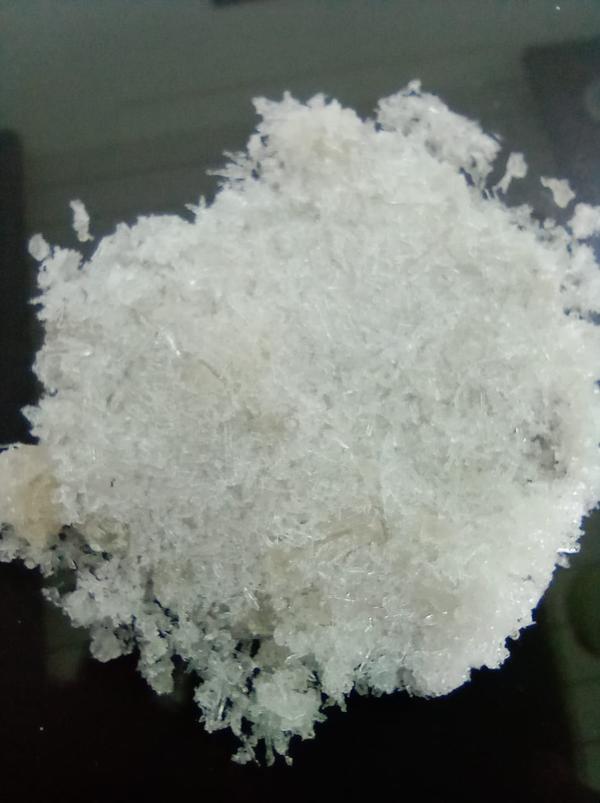
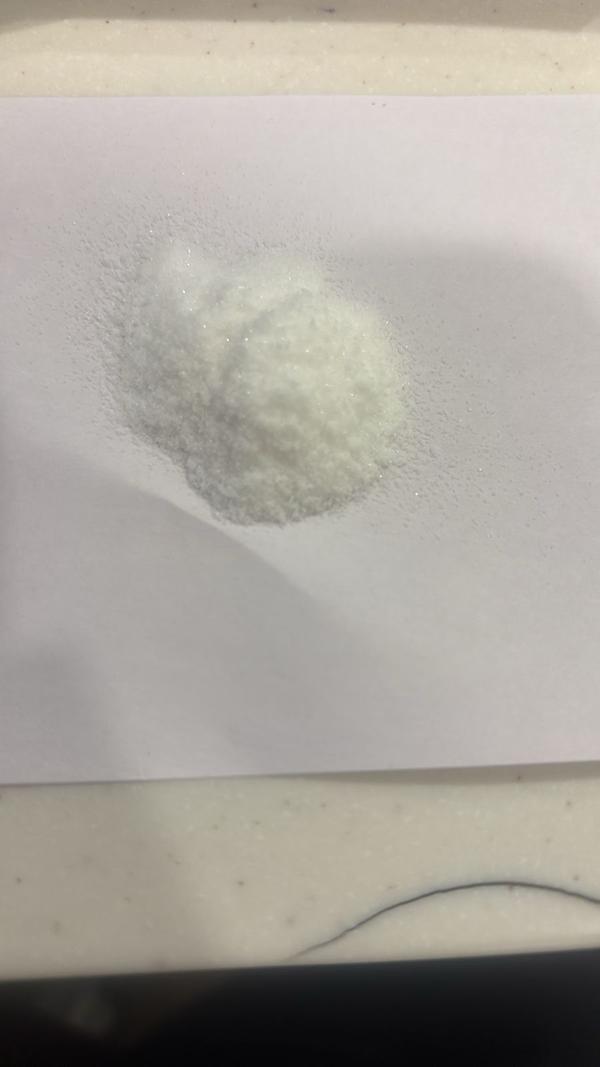
Sodium Sulphate (Na₂SO₄) / Glauber Salt Complete Industrial Guide for Chemical Processing, Manufacturing Applications, Technical Specifications, Industrial Uses, Packaging Options, Procurement Guide and Frequently Asked Questions Industrial Grade | Technical Grade | Bulk Supply Across India Sodium Sulphate, also known as Sodium Sulfate and commonly referred to as Glauber Salt in its hydrated form, is one of the world's most important inorganic industrial chemicals. It is widely used across detergent manufacturing, textile dyeing, glass production, kraft pulp and paper mills, construction chemicals, industrial water treatment, chemical processing, ceramics, mining, and several other manufacturing sectors. Although Sodium Sulphate is a simple inorganic salt with the chemical formula Na₂SO₄, its industrial importance extends far beyond its chemistry. Manufacturers rely on Sodium Sulphate because it improves process efficiency, supports consistent production, enhances product quality, optimizes manufacturing costs, and contributes to stable industrial operations. As industries continue to automate production and improve quality management systems, the demand for consistent, high-purity Sodium Sulphate supplied by reliable industrial partners continues to increase across India. What is Sodium Sulphate? Sodium Sulphate is a neutral inorganic sodium salt composed of sodium ions and sulphate ions. It occurs naturally as the mineral mirabilite and is also produced through several industrial manufacturing processes. Its unique combination of high water solubility, chemical stability, neutral pH, and compatibility with many industrial formulations makes it suitable for a wide range of manufacturing applications. Unlike reactive chemicals that directly participate in chemical reactions, Sodium Sulphate frequently serves as a process-support material that improves production efficiency, blending characteristics, material flow, dyeing performance, glass melting, and process consistency. Chemical Identity Chemical Name Sodium Sulphate Alternative Names Sodium Sulfate Disodium Sulfate Anhydrous Sodium Sulphate Glauber Salt (Hydrated Form) Chemical Formula Na₂SO₄ CAS Number 7757-82-6 Molecular Weight 142.04 g/mol Appearance White crystalline powder or free-flowing granules Odour Odourless Nature Neutral inorganic salt Water Solubility Highly soluble Why is Sodium Sulphate Important in Manufacturing? Modern manufacturing depends on repeatability. Production managers do not simply purchase chemicals. They purchase process reliability. Every industrial batch should behave exactly like the previous batch. That is where Sodium Sulphate contributes significant value. Industries use Sodium Sulphate because it helps improve production consistency powder flowability bulk density control uniform dry blending dye exhaustion glass fining process stability raw material consistency equipment productivity manufacturing efficiency Industrial Applications Detergent Manufacturing The detergent industry remains the largest consumer of Sodium Sulphate. It improves powder characteristics without interfering with cleaning chemistry. Typical applications include detergent powder, laundry powder, industrial cleaning compounds, and household washing formulations. Benefits include better bulk density, improved powder flowability, uniform blending, easier packaging, lower formulation cost, consistent appearance, and improved production efficiency. Textile Dyeing and Textile Processing Reactive dyeing of cotton requires Sodium Sulphate as an electrolyte. During dyeing, reactive dye molecules naturally repel cotton fibres because of similar electrical charges. Sodium Sulphate reduces this repulsion, allowing dye molecules to migrate more efficiently toward the fibre. Benefits include improved dye exhaustion, better dye penetration, excellent shade consistency, reduced reprocessing, lower dye consumption, improved batch reproducibility, and optimized salt dosing. Glass Manufacturing Glass manufacturers use Sodium Sulphate as a fining agent during the melting process. Its function is to assist in removing entrapped gas bubbles from molten glass. Applications include float glass, container glass, architectural glass, solar glass, and specialty glass. Benefits include improved clarity, higher transparency, better melting efficiency, fewer defects, improved optical quality, and increased furnace productivity. Paper and Kraft Pulp Industry In kraft pulping, Sodium Sulphate contributes to the chemical recovery cycle. Benefits include improved recovery efficiency, stable pulping operations, consistent pulp quality, better process reliability, and efficient chemical utilization. Chemical Processing Chemical manufacturers use Sodium Sulphate in numerous formulations and industrial processes. Applications include inorganic chemicals, intermediates, catalysts, pigments, laboratory chemicals, and specialty chemical production. Benefits include predictable chemical behaviour, formulation consistency, stable processing, and batch reproducibility. Construction Chemicals Where technically appropriate for the formulation, Sodium Sulphate may be incorporated into selected dry-mix products. Applications include tile adhesives, repair mortars, wall putty, gypsum products, and dry-mix construction chemicals. Benefits include improved powder handling, better workability, uniform dry blending, consistent formulation quality, easier processing, and manufacturing efficiency. Manufacturers should always validate compatibility through formulation testing. Water Treatment Growing industrial water recycling has increased the importance of Sodium Sulphate. Applications include industrial wastewater treatment, crystallization systems, salt recovery plants, and Zero Liquid Discharge facilities. Benefits include improved crystallization, process optimization, resource recovery, and sustainable industrial operations. Typical Technical Specifications Industrial buyers generally evaluate Sodium Sulphate using multiple quality parameters. Na₂SO₄ Purity 98.0 to 99.5 percent Moisture Low Insoluble Matter Low Chloride Controlled Particle Size Uniform Appearance White crystalline powder Flow Characteristics Free flowing Available Packing Options Every manufacturing facility has different consumption requirements. Laxmi Enterprise supplies Sodium Sulphate in multiple industrial packing options. 50 kg HDPE Bag 50 kg Laminated Bag 1000 kg Jumbo Bag Bulk Tanker Supply (subject to logistics) Customized industrial packing Private label packing (subject to commercial terms) Industries Served Detergent Manufacturing Textile Processing Textile Dye Houses Glass Industry Solar Glass Plants Paper Mills Kraft Pulp Mills Chemical Industries Construction Chemical Manufacturers Ceramic Industry Mining Industry Industrial Water Treatment Plants Export Manufacturers Industrial Traders OEM Manufacturers Why Manufacturers Choose Laxmi Enterprise Industrial procurement is no longer based only on price. Modern manufacturers require dependable supply chains. Laxmi Enterprise focuses on consistent product quality, dependable inventory, responsive customer service, technical documentation, efficient logistics, batch traceability, and long-term business relationships. The objective is to support uninterrupted manufacturing by supplying Sodium Sulphate that performs consistently from batch to batch. Frequently Asked Questions General Questions What is Sodium Sulphate used for? Sodium Sulphate is used in detergent manufacturing, textile dyeing, glass production, paper and pulp processing, chemical manufacturing, construction chemicals, water treatment, and several other industrial applications where it supports manufacturing efficiency and product consistency. Is Sodium Sulphate the same as Glauber Salt? Glauber Salt generally refers to the hydrated form of Sodium Sulphate, while industrial applications often use the anhydrous form. The appropriate grade depends on the intended application. What is the chemical formula of Sodium Sulphate? The chemical formula is Na₂SO₄. Is Sodium Sulphate acidic or alkaline? Sodium Sulphate is generally considered a neutral inorganic salt in aqueous solution. Is Sodium Sulphate water soluble? Yes. It is highly soluble in water, making it suitable for many industrial processes. Detergent Industry FAQs Why is Sodium Sulphate added to detergent powder? It helps control bulk density, improves powder flowability, supports uniform blending, and enhances manufacturing efficiency. Does Sodium Sulphate improve detergent cleaning performance? Its primary role is to improve the physical properties and manufacturing characteristics of detergent powders rather than act as the main cleaning ingredient. Which Sodium Sulphate grade is preferred for detergent manufacturing? The required grade depends on the formulation, quality standards, and production process. Textile Industry FAQs Why is Sodium Sulphate required for reactive dyeing? It promotes dye migration from the dye bath to the fibre, improving dye exhaustion and colour uniformity. What purity is preferred by textile processors? Many textile manufacturers prefer material with high purity, controlled chloride levels, low moisture, and consistent particle size. Why is particle size important? Uniform particle size promotes faster dissolution and more accurate dosing. Glass Industry FAQs Why is Sodium Sulphate used in glass manufacturing? It acts as a fining agent, helping remove entrapped gas bubbles and improving glass quality. Does Sodium Sulphate affect glass transparency? It contributes to producing clearer, more uniform glass when used as part of the glass formulation. Paper Industry FAQs What role does Sodium Sulphate play in kraft pulping? It supports chemical recovery and contributes to efficient pulp production. Construction Chemical FAQs Can Sodium Sulphate be used in construction chemicals? Its suitability depends on the specific formulation. Manufacturers should conduct laboratory testing before commercial use. Procurement FAQs What packing sizes are available? Standard options include 5 kg, 10 kg, 25 kg, 50 kg, jumbo bags, and customized industrial packaging. Is a Certificate of Analysis available? Yes, quality documentation can typically be provided upon request. Do you supply across India? Yes. Laxmi Enterprise supplies customers across India from its facilities in Koyali and Nandesari, Vadodara, Gujarat. Contact Laxmi Enterprise Survey No. 408/3/B/D Nandesari GIDC, Railway Crossing Road Nandesari – 391340 Vadodara, Gujarat, India Mobile: +91 98248 40051 Email: laxmienterprise1981@gmail.com Website: www.laxmienterprise.net
| Purity | 99.7% |
| Ph: | 6-8 |