

AMMONIUM SULFATE HEPTAHYDRATE – INDUSTRIAL APPLICATIONS
* Overview
Ammonium Sulfate Heptahydrate [(NH₄)₂SO₄·7H₂O] is a white crystalline salt widely used in fertilizers, chemical industries, and industrial processes.
It provides both nitrogen (N) and sulfur (S) nutrients and is valued for its high solubility, stability, and cost-effectiveness.
. Industrial Applications
1. Fertilizer Industry
Primary use: Nitrogen and sulfur fertilizer for crops like wheat, maize, rice, and vegetables.
Promotes healthy leaf growth, chlorophyll formation, and overall plant vigor.
Can be used in soil application, fertigation, and foliar sprays.
Key Benefits:
Water-soluble, easily absorbed by plants
Reduces soil pH in alkaline soils
Compatible with most blended fertilizers
2. Chemical Industry
Raw material for ammonium sulfate-based chemicals, e.g.:
Ammonium thiocyanate
Ammonium persulfate
Specialty dyes and pigments
Used as a buffering agent and stabilizer in various chemical reactions.
Ammonium Sulfate Mordant
Natural Dye Fixing Agent
Textile Mordant Powder
Dye Fastness Enhancer
Fabric Dyeing Chemicals
Cotton Dyeing Mordant
3. Textile Industry
Acts as a mordant and dye-fixing agent.
Improves color yield and uniformity in dyeing natural and synthetic fibers.
Reduces uneven dye absorption in cotton, wool, and silk fabrics.
4. Food Industry (Food Grade Only)
Used as a raising agent in bakery products (with caution and approved grades).
Acts as a stabilizer or acidity regulator in some processed foods.
(Strict adherence to food-grade standards like FSSAI or FDA is required.)
5. Pharmaceutical Industry
Used in formulations requiring ammonium salts as excipients or stabilizers.
Applied in buffer solutions and pH control for various preparations.
6. Water Treatment
Employed in flocculation and coagulation processes.
Helps in removing suspended solids and neutralizing water pH in industrial wastewater treatment.
7. Laboratory and Industrial Reagents
Serves as a source of ammonium ions in chemical synthesis.
Used in precipitation reactions, soil testing, and analytical chemistry.
* Advantages in Industrial Use
Highly soluble and stable crystalline form
Provides dual nutrients (N + S) in fertilizers
Non-corrosive compared to ammonium nitrate
Compatible with other fertilizers and industrial chemicals
Cost-effective and widely available
. Handling & Storage
Store in cool, dry, well-ventilated areas
Keep away from moisture, strong acids, and oxidizing agents
Use HDPE bags, drums, or lined containers for packaging
Wear PPE: gloves, goggles, and dust masks when handling large quantities
Avoid inhalation of dust; hygroscopic nature may cause caking
. Packaging
25 kg / 50 kg HDPE bags
Jumbo bags (1 MT) for industrial clients
Available in crystalline or granular form
Grades: Industrial Fertilizer Grade, Technical Grade, Food / Pharma Grade
. Conclusion
Ammonium Sulfate Heptahydrate is a versatile industrial chemical with applications in:
Agriculture (fertilizers, foliar feeding)
Textile and dyeing
Water treatment
Chemical manufacturing and laboratory reagents
Its combination of nitrogen and sulfur content, solubility, and stability makes it an essential material for multiple industries.
AMMONIUM SULFATE IN NATURAL DYEING FOR IMPROVED FASTNESS
. Overview
Ammonium Sulfate [(NH₄)₂SO₄] is commonly used in natural dyeing as a mordant and pH regulator.
It helps fix plant-based dyes onto fibers, improving wash, light, and color fastness, while also enhancing shade uniformity.
Fertilizer Ammonium Sulfate
Nitrogen Sulfate Fertilizer
N + S Fertilizer
Soil Nutrient Ammonium Sulfate
Agricultural Ammonium Sulfate
Crop Fertilizer Sulfate
Industrial Ammonium Sulfate
. Role in Natural Dyeing
Mordant Effect:
Ammonium ions (NH₄⁺) interact with fibers (cotton, silk, wool) and natural dye molecules.
Forms metal-dye-fiber complexes that bind the color firmly, reducing fading during washing or exposure to light.
pH Regulator:
Creates a slightly acidic environment, which is favorable for many natural dyes (e.g., turmeric, madder, indigo).
Stabilizes color and prevents degradation of sensitive pigments.
Color Enhancement:
Deepens the shade intensity.
Enhances uniformity across fabric surfaces.
. Application Process
Step 1: Pre-treatment
Dissolve ammonium sulfate in water to prepare a mordant bath.
Typical concentration: 5–15 g/L depending on fiber type and dye.
Step 2: Fiber Soaking
Immerse pre-wetted fibers into the ammonium sulfate solution.
Maintain temperature around 50–70°C for 30–60 minutes for better penetration.
Step 3: Dyeing
Transfer fibers to the natural dye bath.
Continue dyeing under controlled temperature and stirring to ensure uniform color.
Step 4: Rinsing and Finishing
Remove fibers and rinse thoroughly to remove excess mordant and unfixed dye.
Dry under shade to prevent photodegradation.
. Benefits for Fastness
Type of Fastness Improvement
Wash Fastness Reduces dye leaching during laundering
Light Fastness Stabilizes pigments against sunlight
Rubbing / Friction Fastness Strengthens dye-fiber bonding, reducing color loss
Overall Shade Uniformity Ensures consistent coloration across fabric
. Compatibility
Works well with cotton, silk, wool, and blended fabrics.
Can be combined with other mordants such as alum, iron, or tannin for specialized effects.
Compatible with most plant-based dyes, including turmeric, indigo, madder, pomegranate, and onion skins.
. Safety and Handling
Ammonium Sulfate
(NH₄)₂SO₄
Ammonium Sulphate
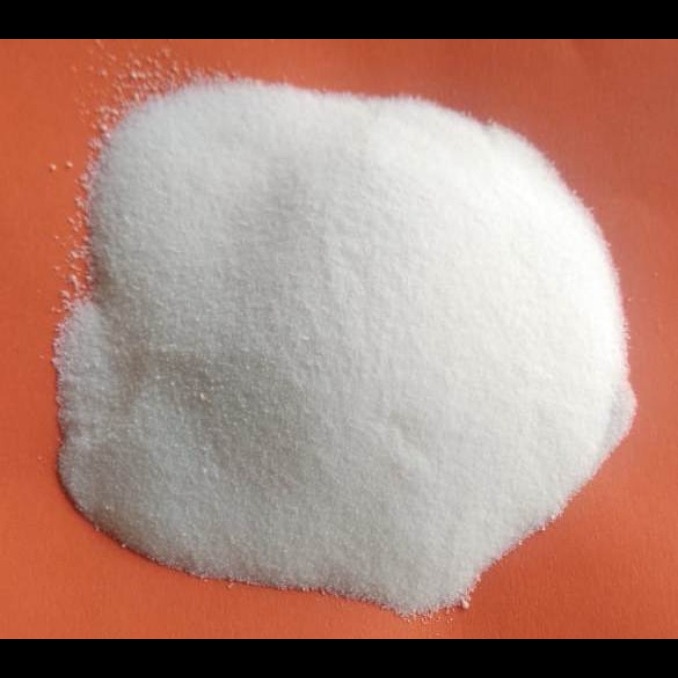
Ammonium Sulfate Powder
Crystalline Ammonium Sulfate
Heptahydrate Ammonium Sulfate
Non-toxic and eco-friendly at recommended doses.
Avoid inhalation of powder; use gloves and dust mask for large-scale operations.
Store in cool, dry, ventilated areas to prevent moisture absorption.
. Packaging for Textile Use
25 kg / 50 kg HDPE bags for industrial dyeing.
Bulk jumbo bags (1 MT) for textile mills.
Food or textile grade to ensure color purity and safe handling.
. Conclusion
Ammonium Sulfate is an effective mordant for natural dyes, improving color intensity, wash fastness, light fastness, and shade uniformity.
It is cost-effective, eco-friendly, and widely used in natural and sustainable textile dyeing processes.
AMMONIUM SULFATE POWDER – PHARMACEUTICAL APPLICATIONS
* Overview
Ammonium Sulfate [(NH₄)₂SO₄] is a white crystalline or powdered salt widely used in the pharmaceutical industry as a reagent, stabilizer, and excipient.
Its high purity, solubility, and chemical stability make it suitable for buffer solutions, protein precipitation, and analytical applications.
* Pharmaceutical Uses
1. Protein Purification and Precipitation
Used in ammonium sulfate fractionation for protein purification.
Helps precipitate and concentrate proteins from biological fluids without denaturing them.
Common in enzyme extraction, serum protein isolation, and biopharmaceutical production.
rocess Name Raw Materials Main By-Product Typical Use
Mannheim NaCl + H₂SO₄ HCl gas Detergent, Glass
Hargreaves NaCl + SO₂ + O₂ + H₂O HCl gas Industrial bulk
Neutralization NaOH / Na₂CO₃ + H₂SO₄ Water / CO₂ Glauber’s Salt
By-product Recovery Industrial effluents — Sustainable source
Oxidation / Lab Na₂S or Na₂SO₃ — Specialty grades
[AMMONIUM SULFATE. LAXMIENTERPRISE, VADODRA, GUJARAT, INDIA.]