

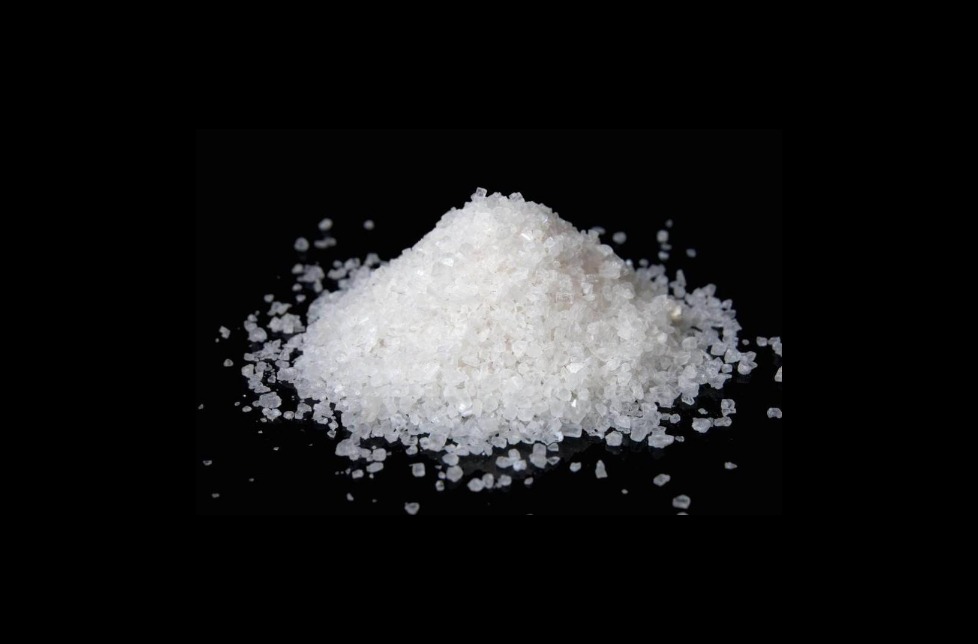
NITRATE-BASED FERTILIZERS – HANDLING PRECAUTIONS & SAFETY GUIDELINES
Overview''
Nitrate-based fertilizers such as Sodium Nitrate (NaNO₃), Potassium Nitrate (KNO₃), Calcium Nitrate [Ca(NO₃)₂], and Ammonium Nitrate (NH₄NO₃) are vital sources of nitrogen for plant growth.
However, due to their oxidizing nature, they require careful storage, handling, and transport to ensure safety, stability, and compliance with agricultural and environmental standards.
1. Chemical Nature and Risks
Nitrate fertilizers are oxidizing agents — they support combustion but are not combustible themselves.
Improper handling or contamination with organic matter or reducing agents can lead to:
Fire or explosion hazards
Chemical decomposition
Environmental contamination
Deterioration in fertilizer quality
2. Safe Handling Practices
Avoid contamination:
Keep away from fuels, oils, greases, sawdust, sugar, charcoal, and organic matter.
Do not mix with other fertilizers unless compatibility is verified.
Use clean, dry equipment:
Always handle with non-sparking tools and clean containers.
Avoid contact with rusted or contaminated metal surfaces.
Personal Protective Equipment (PPE):
Wear gloves, safety goggles, and dust masks to prevent irritation.
Wash hands and exposed skin after handling.
Avoid dust generation:
Handle gently to minimize airborne dust.
Use adequate ventilation in enclosed areas.
Temperature control:
Avoid exposure to heat sources or direct sunlight.
Maintain moderate storage temperature (below 30 °C) to prevent decomposition.
3. Storage Guidelines
Parameter Recommended Practice
Storage area Cool, dry, well-ventilated, away from combustible materials
Floor type Non-absorbent and non-reactive (e.g., concrete)
Stacking Moderate height, avoid overloading bags
Segregation Store separately from fuels, acids, and organic materials
Packaging Keep in tightly sealed HDPE or laminated bags to prevent moisture absorption
Avoid moisture contact:
Nitrates are hygroscopic — they absorb water from air, causing caking and loss of free-flowing property.
4. Transportation Precautions
Transport under dry conditions and covered vehicles.
Avoid carrying with flammable or organic materials.
Ensure compliance with UN regulations for oxidizers (e.g., UN 1498 for Sodium Nitrate).
Label packages with “OXIDIZER” or appropriate hazard class (Class 5.1).
5. Emergency Measures
In Case of Spillage:
Sweep up gently; do not use sawdust or organic absorbents.
Collect into clean, dry containers for reuse or disposal.
Wash the affected area with plenty of water.
In Case of Fire:
Use large amounts of water to cool surrounding material.
Do not use dry chemical extinguishers or CO₂ (ineffective).
Evacuate area and notify fire authorities immediately.
6. Health and Environmental Precautions
Inhalation: Avoid breathing dust; may irritate respiratory passages.
Skin/Eye contact: Can cause mild irritation — rinse thoroughly with water.
Ingestion: Seek medical attention if swallowed.
Prevent runoff into waterways, as nitrates can cause eutrophication (algal bloom).
7. Disposal Guidelines
Dispose of small quantities by dilution with large volumes of water.
For bulk waste, contact authorized hazardous waste handlers.
Never dispose of in sewers or natural water bodies.
8. Regulatory Reference
UN Hazard Class: 5.1 (Oxidizing Substance)
UN Numbers:
Sodium Nitrate – UN 1498
Ammonium Nitrate – UN 1942
Calcium Nitrate – UN 1454
Storage Category: Oxidizers – follow national fire safety codes (e.g., NFPA 400 or local FSSAI/FDA guidance for fertilizers)
. Summary
. Keep nitrate fertilizers dry, clean, and separate from organics.
. Use protective gear during handling.
. Avoid heat and contamination to prevent hazardous reactions.
. Follow fire and spill protocols as per local regulations.
Proper handling ensures not only worker safety and environmental protection but also preserves the nutrient quality and effectiveness of the fertilizer for agricultural use.
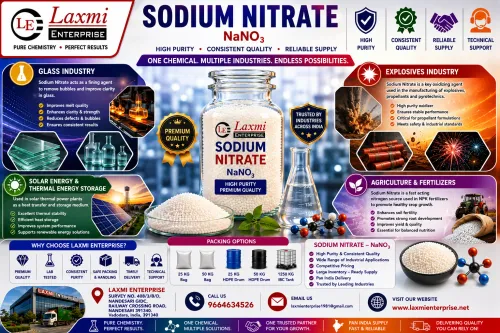
. Laxmi Enterprise – Trusted Supplier of Nitrate-Based Fertilizers
Products: Sodium Nitrate, Potassium Nitrate, Calcium Nitrate
Purity: ≥ 99% Industrial / Agricultural Grade
Applications: Fertilizer blending, foliar nutrition, hydroponics
Packaging: 25 kg / 50 kg HDPE bags with moisture barrier
LONG-TERM NITRATE → NITRITE SYSTEM IN MEAT CURING. .Overview
The nitrate → nitrite system is the foundation of long-term meat curing used in products like dry-cured hams, salamis, and fermented sausages.
This system ensures a slow and controlled release of nitrite from nitrate over weeks or months — maintaining food safety, flavor, and color stability throughout extended curing and aging periods.
. Role of Sodium or Potassium Nitrate
Sodium nitrate (NaNO₃) or potassium nitrate (KNO₃) serves as a reservoir of nitrite (NO₂⁻).
Unlike direct nitrite addition (used in short-term curing), nitrate provides a long-lasting source of nitrite through bacterial reduction during storage and fermentation.
Purpose:
Continuous protection against microbial growth (especially Clostridium botulinum)
Sustained color stability and flavor development
Controlled nitric oxide (NO) formation for pigment fixation
. Conversion Mechanism
Step 1. Microbial Reduction of Nitrate
Certain nitrate-reducing bacteria present in meat or starter cultures (e.g., Staphylococcus carnosus, Micrococcus varians) convert nitrate (NO₃⁻) into nitrite (NO₂⁻).
This process occurs slowly over time, influenced by temperature, pH, and bacterial activity.
Step 2. Chemical Reduction of Nitrite to Nitric Oxide
The nitrite formed is then chemically reduced (often with help from ascorbate or reducing agents naturally present in meat) to nitric oxide (NO).
Step 3. Formation of Nitrosyl Pigments
Nitric oxide reacts with myoglobin, the meat pigment, forming nitrosomyoglobin, which imparts the stable pink color typical of cured meats.
Myoglobin + NO → Nitrosomyoglobin
Myoglobin + NO → Nitrosomyoglobin
Upon heating, it transforms into nitrosylhemochrome, the bright pink pigment characteristic of cooked cured meat.
. Why Long-Term Nitrate Systems Are Used
Application Reason for Using Nitrate Source
Dry-cured hams (e.g., Parma, Serrano) Long curing time (6–12 months) requires slow nitrite release
Fermented sausages Controlled fermentation needs gradual microbial action
Traditional or artisanal products Maintains authentic flavor and color over time
Products stored without refrigeration Ensures sustained antimicrobial effect
. Key Factors Affecting the System
Parameter Role / Effect
Temperature (10–25°C) Optimal for nitrate-reducing bacteria
pH (5.0–6.0) Favorable for bacterial growth and NO formation
Salt concentration (2–4%) Controls moisture and bacterial activity
Starter cultures Enhance nitrate reduction and color development
Reducing agents (Ascorbate / Erythorbate) Speed up NO formation and stabilize pigments
. Benefits of the Long-Term Nitrate → Nitrite System
. Continuous nitrite availability during long ripening
. Improved microbial safety (especially against C. botulinum)
. Stable cured color and authentic flavor
. Reduced risk of nitrosamine formation (due to gradual NO release)
. Extended shelf life and oxidation resistance
. Safety and Regulatory Compliance
Overuse of nitrate or nitrite can lead to residual nitrite or nitrosamine formation, so controlled dosage is essential.
Permitted levels (typical limits):
EU: ≤150 mg/kg nitrate (as NaNO₃)
US: ≤500 ppm nitrate in dry-cured meats (USDA FSIS)
Inclusion of ascorbic acid / sodium ascorbate minimizes nitrosamine formation.
Use only food-grade sodium or potassium nitrate certified under FSSAI / BIS / EU standards.
. Practical Example – Dry-Cured Ham
Nitrate added at initial curing stage.
Microbial reduction begins during salting and early ripening.
Nitrite formation sustains curing activity over several months.
Nitric oxide binding stabilizes color and flavor throughout the aging process.
Final product retains safety, aroma, and characteristic cured color.
. Summary
Food-Grade Nitrate Preservative
Meat Curing Ingredients
Preservatives for Processed Meat
Sodium Nitrate for Explosives
Oxidizer Chemicals Supplier
Pyrotechnic Grade Sodium Nitrate
Blasting Compound Ingredients
Mining Chemicals Supplier
What is Sodium Nitrate Used For?
Sodium Nitrate vs Sodium Nitrite
Is Sodium Nitrate Safe?
How to Store Sodium Nitrate
Where to Buy Sodium Nitrate Online
Sodium Nitrate Chemical Properties
Shipping Regulations for Sodium Nitrate
Bulk Sodium Nitrate Supplier
Industrial Chemicals Exporter
Request Sodium Nitrate Quote
Certified Sodium Nitrate Exporter
REACH Compliant Sodium Nitrate
“Looking for Bulk Sodium Nitrate? We’ve Got You Covered”
“High-Purity Sodium Nitrate Now Available – Get a Quote Today”
The long-term nitrate → nitrite system is essential for traditional meat curing where aging, safety, and flavor stability are critical.
By providing a slow, controlled conversion from nitrate to nitrite, it maintains microbiological safety, color integrity, and distinctive cured taste over prolonged storage.
. Laxmi Enterprise – Food Grade Nitrate Supplier
Product: Sodium Nitrate (NaNO₃)
Purity: ≥99% (Food/Pharma Grade)
Applications: Meat curing, color stabilization, preservation
Packaging: 25 kg HDPE bags with moisture barrier
Compliance: FSSAI, BIS, and international food-grade standards
Available for: Meat processing, preservation, and food additive manufacturers
[NITRATE FERTILIZERSS LAXMI ENTERPRISE, VADODRA, GUJARAT, INDIA.]