

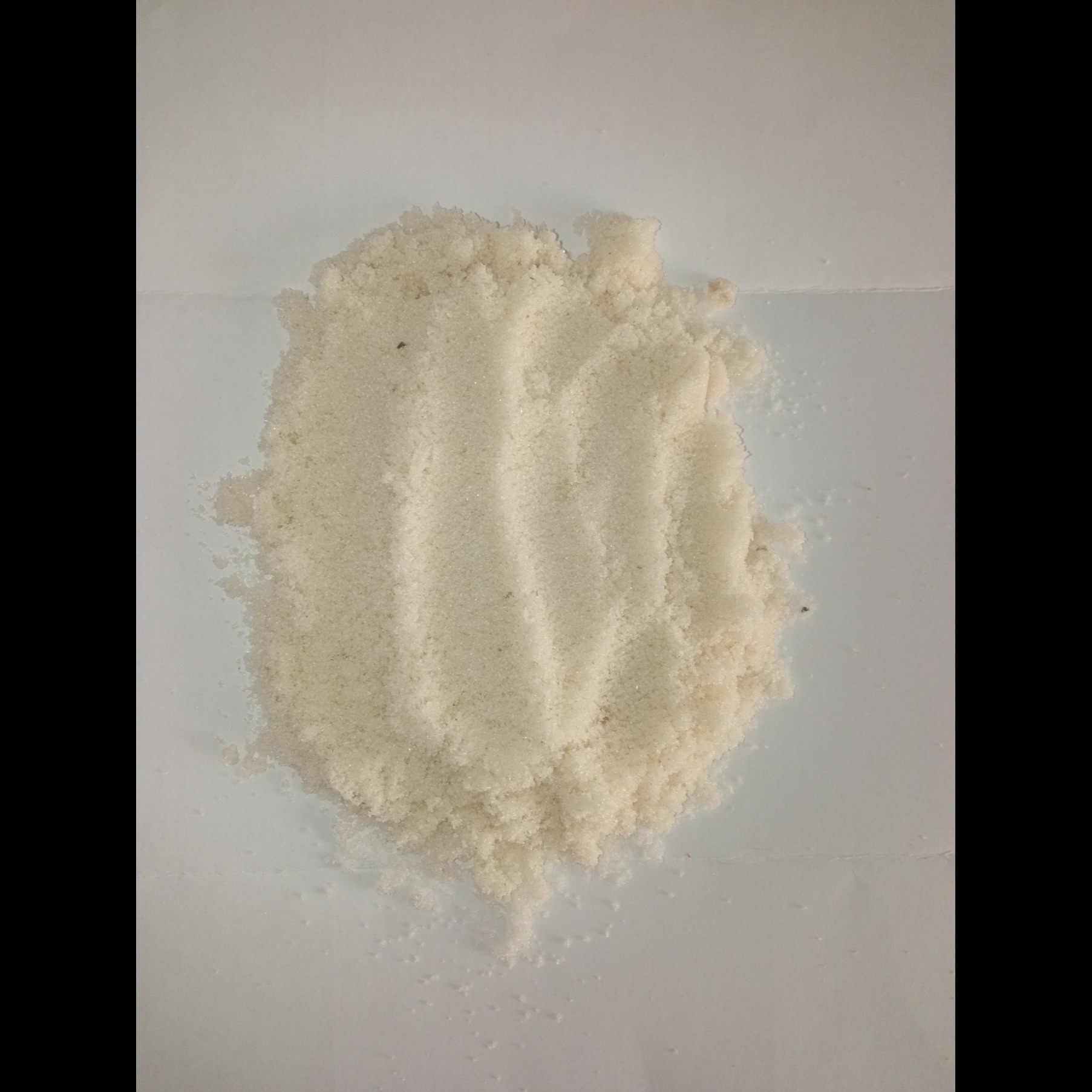
NITRATE INTERFERENCE REMOVAL IN INDUSTRIAL EFFLUENTS
(Chemical, Petrochemical, Fertilizer, Dyes, Pharma, Metal, Wastewater)
1. Common Interferences in Industrial Effluent
Industrial samples often contain:
Inorganic Interferences
- High Chloride (Cl⁻)
- High Sulfate (SO₄²⁻)
- High TDS (salts, brines)
- Carbonate / bicarbonate
- Nitrite (NO₂⁻) overlapping nitrate in UV)
Organic Interferences
- Oils, grease
- Dyes, pigments
- Surfactants
- COD/BOD organics
- Humic substances
Physical Interferences
- Suspended solids
- Color
- Turbidity
Each type requires different treatment methods.
. Removal of Organic Matter
1. C18 Solid Phase Extraction (SPE) – For oils & organics
Procedure:
- Condition C18 cartridge: methanol → DI water
- Pass sample slowly
- Discard first 2–3 mL
- Collect effluent for nitrate analysis
Removes:
✔ Oils
✔ Grease
✔ Organic dyes
✔ Surfactants
2. Activated Carbon Treatment
- Add 0.5–1.0 g carbon / 100 mL sample
- Shake 5–10 min
- Filter through 0.45 µm
Effective for:
✔ UV-Vis nitrate
✔ Colored effluent
✔ Dye/pigment industries
3. UV Digestion / Persulfate Treatment
Oxidizes organics that cause UV interference.
. Chloride (Cl⁻) & Sulfate (SO₄²⁻) Removal
1. High Chloride Interference (Brines, Pickling, Pharma, Dyes)
Method: Silver-based removal (only for UV, NOT IC)
Reaction:
Ag++Cl−→AgCl(s)Ag^+ + Cl^- rightarrow AgCl(s)Ag++Cl−→AgCl(s)Procedure:
- Add Ag₂SO₄ or AgNO₃ dropwise
- Stir and allow precipitate to form
Filter Nitrite (NO₂⁻) Interference
1. For UV-Vis (220/275 nm method)
Nitrite absorbs strongly at 220 nm.
Removal / differentiation
- Add sulfamic acid to destroy nitrite:
⚠ Do NOT use this for IC → Ag⁺ will destroy anion column.
2. Anion Exchange (SPE)
Recommended for IC and UV.
Anion-exchange SPE
Cartridges: AG-MP1, SAX, MAX
They remove:
- Chloride
- Sulfate
- Phosphate
Nitrate passes through because of lower affinity.
Procedure:
- Condition with DI water
- Pass sample through slowly
- Collect eluate for nitrate analysis
. Recommended Complete Pretreatment Workflow for Industrial Effluent
Step 1: Centrifuge 10 min @ 4000 rpm
Step 2: Filter through 0.45 µm
Step 3: Dilute sample (1:10–1:1000 depending on TDS)
Step 4: If colored → Activated carbon
Step 5: If oily → C18 SPE
Step 6: If high chloride/sulfate → Anion SPE
Step 7: If UV analysis → Add sulfamic acid to remove nitrite
Step 8: Final filtration → 0.22 µm (for IC)
- Step 9: Analyze
· sodium nitrate supplier in India
· sodium nitrate manufacturer in Gujarat
· sodium nitrate exporter Asia Pacific
· buy sodium nitrate near me
· sodium nitrate distributor in USA
- · sodium nitrate supplier in Europe
Equipment & Materials
5.1 Equipment
- Ion Chromatograph (IC) with:
- Anion-exchange column (AS22, AS23, or equivalent)
- Guard column
- Suppressor
- Conductivity detector
- Syringe filters (0.22 µm, 0.45 µm)
- Syringes (5–20 mL)
- Centrifuge (3000–5000 rpm)
- Vacuum filtration setup (Buchner funnel, vacuum flask)
- Magnetic stirrer, ultrasonic bath
- Class A volumetric flasks
- Polypropylene sample vials
5.2 Reagents
- Nitrate stock standard (1000 mg/L NO₃⁻)
- Eluent (e.g., 4.5 mM Na₂CO₃ / 1.4 mM NaHCO₃)
- Ultrapure DI water (18.2 MΩ·cm)
- Sulfamic acid (for nitrite removal in UV methods)
- C18 SPE cartridges (optional, for organics)
- Anion-exchange SPE cartridges (optional, for chloride/sulfate)
. Sample Collection & Storage
- Collect at least 100 mL in clean polypropylene bottles
- Refrigerate at 4°C immediately
- Analyze within 24–48 hours
- Record sample ID, date, time, and source
. Sample Pretreatment & Interference Removal
7.1 Homogenization
- Gently invert the sample bottle to mix
- Avoid frothing or aeration
7.2 pH Adjustment
- Measure pH
- Adjust to 6–8 using minimal HCl or NaOH
7.3 Solid Removal
- Centrifugation: 3000–5000 rpm for 10 minutes
- Filtration: 0.45 µm for general; 0.22 µm for IC/trace analysis
7.4 Dilution
- Dilute high TDS or concentrated samples appropriately (1:10–1:1000)
- Use Class A volumetric flasks
- Record dilution factor
7.5 Organic Removal
- C18 SPE Cartridge: condition with methanol → DI water, pass sample slowly, discard first 2–3 mL, collect effluent
- Activated Carbon: 0.5–1.0 g per 100 mL, mix, filter
7.6 Chloride & Sulfate Removal
- Anion-exchange SPE: conditions similar to C18, collect eluate for nitrate analysis
7.7 Nitrite Removal (UV only)
- Add sulfamic acid, mix 5–10 min, check pH 6–8
7.8 Final Filtration
- Pass through 0.22 µm syringe filter for IC
. Calibration & Standards
- Prepare at least 5-point calibration curve: 0.5, 1, 5, 10, 50 mg/L
- Inject duplicates
- Ensure R² ≥ 0.995
- Include QC: blanks, matrix spike, LCS, duplicate