

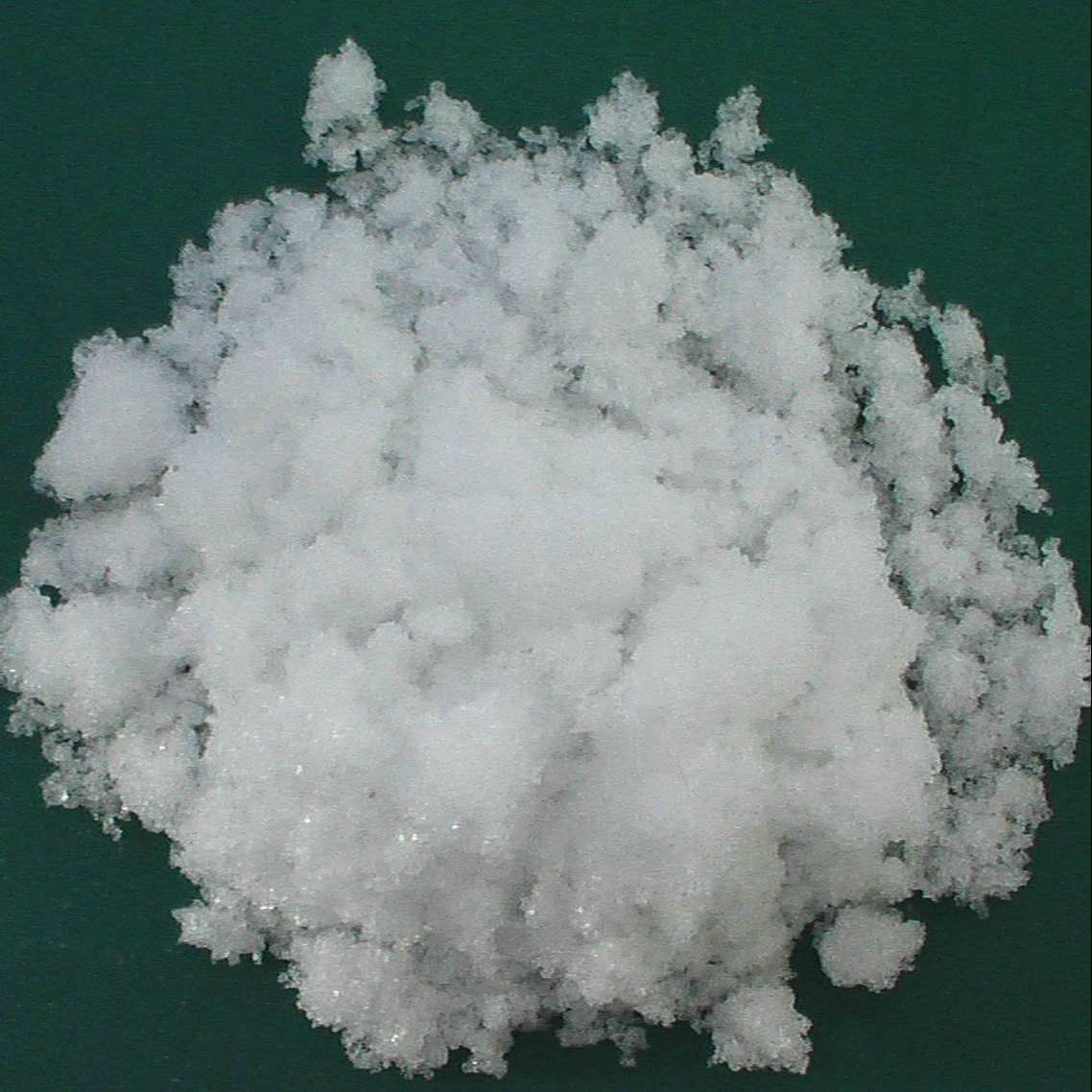
ortant conceptual note: ICP-AES measures elements (e.g., Na). It cannot measure the acetate anion dodium concentration to sodium-acetate concentration. If you nirectly. This method therefore determines sodium concentration and — only if sodium in the sample is present entirely method for sodiumIC-AESP acetate (measuring sodium (Na) by ICP-AES and converting to sodium acetate)
as sodium acetate or you account for other sodium sources — converts seed acetate specifically, use Ion Chromatography (IC), titration, or anion analysis.
Reagents & consumables
- Ultrapure deionized water (18 MΩ·cm)
- Concentrated nitric acid (HNO₃), trace metal grade
- Calibration grade sodium standard solution (traceable) — prepare series (e.g., 0, 0.1, 0.5, 1, 5, 10 mg/L Na) covering expected range
- Internal standard solution (e.g., Y, In, Sc at ~1 mg/L) — depends on instrument compatibility
- Laboratory-grade volumetric flasks and pipettes
- 0.45 µm PTFE or nylon syringe filters (if particulate matter expected)
- Certified reference material (CRM) or in-house standard for sodium
- Sample bottles, polypropylene
Instrument: suggested operating parameters (example)
Typical starting settings — optimize for your instrument and matrix.
- Instrument: ICP-AES (radial or axial view depending on sensitivity/line saturation)
- RF power: ~1200 W (adjust per instrument)
- Nebulizer: concentric or cross-flow (concentric gives good sensitivity)
- Spray chamber: cyclonic
- Nebulizer gas (Ar) flow: 0.6–1.0 L/min (optimize)
- Auxiliary gas: default
- Sample uptake rate: instrument default (~1 mL/min)
- Viewing mode: radial for high concentration matrices to avoid detector saturation; axial for low-level Na if instrument supports it
- Replicates: 3–5 reads per sample
- Integration time: set per element and line (ensure good precision)
- Wavelengths for Na: 589.0 nm (strong resonance line) — watch for self-absorption; use a weaker alternative if saturating (e.g., ~330.2 nm or other weaker line depending on your spectrometer’s available lines)
- Internal standard: monitor and correct for signal drift
Note: Sodium has very strong resonance lines that easily saturate; choose a weaker line or dilute samples to keep counts within linear range and avoid self-absorption.
Calibration & standards
- Prepare multi-point calibration (minimum 5 points recommended) covering expected concentration range. Example: 0, 0.1, 0.5, 1.0, 5.0, 10 mg/L Na.
- Use matrix-matched standards (1% HNO₃, same internal standard concentration).
- Check linearity (R² ≥ 0.999 desirable; acceptable depends on lab SOP).
- Run a calibration blank and a calibration verification standard (CCV) after the initial calibration and periodically (e.g., every 10 samples or after high concentration samples).
- Use an internal standard to correct for nebulization and instrumental drift.
Interferences & troubleshooting
- Spectral interferences: sodium’s strong lines may overlap with matrix emission lines in complex matrices — choose alternative lines if available and confirm absence of overlaps.
- Self-absorption / non-linearity: very strong Na signals can self-absorb; dilute samples or use weaker line and radial viewing.
- Matrix effects / ionization differences: high dissolved solids change aerosol generation and plasma robustness — matrix matching and internal standard mitigate these.
- Contamination: Na is ubiquitous; avoid glassware contamination, use plastic labware and acid-wash where appropriate.
- Memory/carryover: rinse between samples and run blanks after high concentration samples.
Method validation parameters (recommendations)
- LOD (method detection limit): experimentally determine from low-level replicate blanks (e.g., 3σ of blanks).
- LOQ: commonly 3–10× LOD or as defined by lab.
- Accuracy: percent recovery of CRM or spiked samples.
- Precision: replicate analysis RSD.
- Linearity range: where calibration residuals acceptable.
- Robustness: check slight variations in instrument conditions, acid strength.
Example SOP (short stepwise)
- Label and log sample IDs.
- Prepare calibration standards in 1% HNO₃ (include internal standard at same concentration).
- Prepare method blank and QC standards (CCV, CRM, spikes).
- Prepare samples: dissolve/digest and dilute to 1% HNO₃; filter if needed.
- Start ICP-AES; set RF power, gas flows, wavelengths (Na 589.0 nm and alternate), internal standard channel.
- Perform calibration; verify linearity and run CCV.
- Run samples in sequence with blanks/QC interleaved (e.g., after every 10 samples run CCV).
- Record instrument results, internal standard response, and any dilution factors.
- Apply dilution factor and convert Na concentration to sodium acetate using conversion above.
- Check spike recoveries and duplicate RSD; reject and reanalyze if QC out of limits.
- Document everything in lab notebook and report results with uncertainties and QC data.
Reporting
- Report sodium concentration (mg/L or mg/kg) with measurement uncertainty and detection limits.
- Also report calculated sodium-acetate concentration (explicitly state conversion factor used and assumption that all sodium derives from sodium acetate).
- Include QC summary (blanks, CCV, spike recovery, duplicates).
If you need acetate (CH₃COO⁻) specifically
- Request method for Ion Chromatography (IC) or anion analysis — I can draft a full IC SOP for acetate (sample prep, eluent, column, calibration, detection limits) if that’s what you want.
- Sodium Acetate
- Sodium Acetate Anhydrous
- Sodium Acetate Trihydrate
- Sodium Acetate Chemical
- Sodium Acetate Manufacturer
- Sodium Acetate Supplier
- Sodium Acetate Exporter
- Sodium Acetate Price
- Sodium Acetate Industrial Grade
- Sodium Acetate Laboratory Grade
- a printable step-by-step SOP in document form (I can format for printing),
- instrument parameter templates for a specific ICP-AES model, or
- an IC method for direct acetate measurement?