

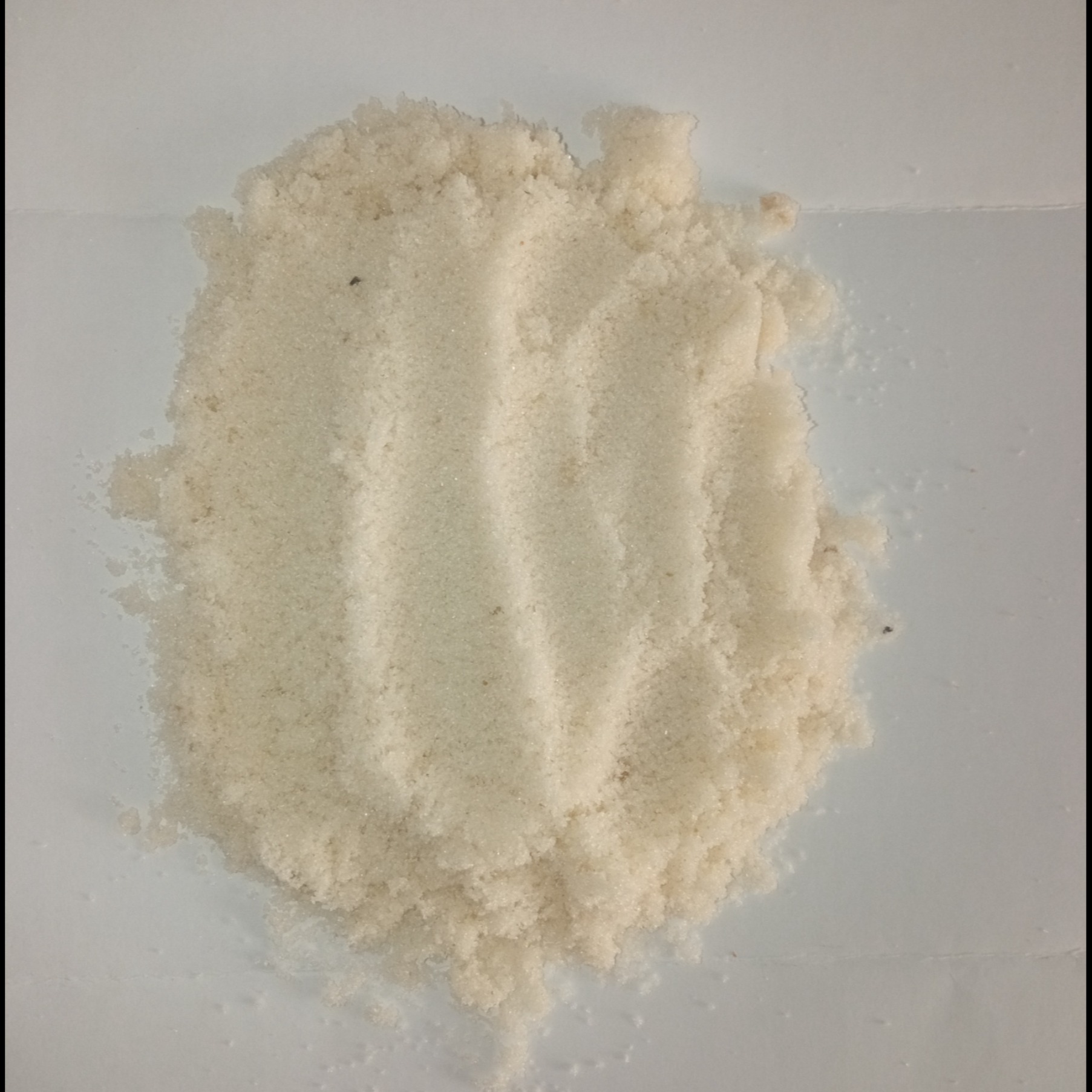
Why Molten Salts for Heat Transfer?
Molten salts are salts that are liquid at high temperatures (typically 200–1000°C). They are particularly attractive for high-temperature heat transfer because they offer:
High thermal stability: Can operate at higher temperatures than many organic heat transfer fluids.
High heat capacity: Stores and transfers large amounts of energy.
Low vapor pressure: Safer than high-pressure steam at high temperatures.
Good thermal conductivity: Ensures efficient heat transfer.
Cost-effectiveness: Many salts are relatively inexpensive and abundant.
2. Common Molten Salts Used
Nitrate Salts
Sodium nitrate (NaNO₃) + Potassium nitrate (KNO₃) → “Solar Salt”
Typical use: 220–600°C
Applications: Solar thermal power plants, energy storage
Chloride Salts
Examples: NaCl, KCl, MgCl₂ mixtures
Higher operating temperatures (up to 800–900°C)
Used in high-temperature heat transfer for advanced reactors or concentrated solar power (CSP)
Carbonate Salts
Sodium carbonate (Na₂CO₃), Potassium carbonate (K₂CO₃)
Operate at ~500–700°C
Often used in chemical industry heat transfer
Fluoride Salts
Lithium fluoride (LiF), Sodium fluoride (NaF), Potassium fluoride (KF)
High-temperature nuclear reactors (e.g., molten salt reactors)
3. Heat Transfer Applications
A. Solar Thermal Energy Systems
Concentrated Solar Power (CSP) plants use molten salts to:
Absorb heat from solar collectors.
Transfer it to steam generators for electricity production.
Store thermal energy for night-time power generation.
Example: A 50:50 mixture of NaNO₃ and KNO₃ is commonly used.
B. Thermal Energy Storage (TES)
Molten salts can store large amounts of energy due to high heat capacity.
Used in sensible heat storage:
Heated during the day using solar or waste heat.
Released later to produce steam or hot air.
C. Industrial Heat Transfer
Molten salts replace oil or synthetic fluids in chemical processing, metal processing, and cement production.
Temperature range: 250–600°C
Advantages:
No risk of thermal decomposition like oils at high temperatures.
Efficient heat distribution.
D. Nuclear Applications
In molten salt reactors (MSRs):
Salts serve as coolants and fuel carriers.
High-temperature operation allows improved thermal efficiency.
E. Waste Heat Recovery
Molten salts can capture and transport heat from industrial exhaust gases to other processes, improving overall energy efficiency.
4. Advantages vs. Conventional Heat Transfer Fluids
Property Molten Salt Thermal Oil Water/Steam
Max Operating Temp 500–900°C 350–400°C 100–300°C
Thermal Stability High Moderate Low (pressure limits)
Vapor Pressure Very Low Low High (needs pressurization)
Heat Capacity Moderate to High Moderate Moderate
Cost Low to Moderate Moderate to High Low
5. Challenges
Corrosion: Salts can be corrosive to metals at high temperatures.
Freezing risk: Most salts solidify at 120–220°C; requires careful insulation and heating to prevent solidification.
Pumpability: High viscosity at lower temperatures can make pumping challenging.
* Summary
Molten salts are versatile high-temperature heat transfer fluids, crucial in solar thermal plants, thermal energy storage, industrial heat transfer, and nuclear reactors. Their key benefits are high thermal stability, low vapor pressure, and large energy storage capability, though handling requires careful attention to corrosion and freezing issues.
Key hazards — quick summary
Strong oxidizer: will accelerate combustion of organic/flammable materials; can react violently with reducing agents (e.g., powdered metals, sulfur, ammonium compounds, organics).
Deliquescent: absorbs moisture and can cake or liquefy.
Thermal decomposition: at high temperature may release nitrogen oxides (NOx).
Dust: inhalation hazard; dust clouds may cause irritation.
Not highly flammable by itself, but greatly increases fire severity of combustible material.
Storage location & layout
Cool, dry, well-ventilated area, protected from rain and direct sunlight. Aim for ambient temperature < 30°C if possible.
Inside a building or under a covered shed with secondary containment to prevent runoff into drains.
Separate/segregate from incompatible materials:
Keep ≥ 3 m distance from flammables/combustibles (fuels, oils, paper, wood, packaging), or store behind a fire-resistant barrier (e.g., 1–2 hour rated wall).
Keep away from acids, reducing agents, powdered metals, sulfur, ammonium salts, and organic matter.
No smoking, open flames, or hot works allowed within the storage area. Post signs and enforce rules.
Store on pallets (off the floor) on non-combustible racking. Avoid wooden pallets if possible — use plastic/metal pallets or pallet incombustible wrap.
Rotate stock FIFO. Keep inventory levels as low as practical — avoid large, long-term piles.
Protect from contamination: prevent mixing with dirt/organic material and avoid cross-contamination with other chemicals.
Packaging & containment
Use original sealed bags/containers or compatible, clearly labeled intermediate bulk containers (IBCs).
Seal damaged bags immediately into secondary containers (plastic drum) and label.
Provide secondary containment (bunding) for pallets/IBC stacks to contain leaks.
Store small quantities (bags) stacked no higher than safe stacking height recommended by manufacturer (commonly 2–4 pallets high depending on packaging integrity and forklift access).
Ventilation & housekeeping
Maintain mechanical ventilation (or good natural ventilation) to control dust and NOx in event of decomposition.
Keep area clean of dust and spilled product — clean spills promptly to reduce oxidizer buildup.
Use non-sparking tools for sweeping; avoid compressed air that will create dust clouds.
Avoid hosing spilled material into drains; collect and recover where possible.
Personal protective equipment (PPE)
Gloves: chemical-resistant (nitrile or PVC) for handling bags; cut-resistant if handling bulk.
Eye protection: safety goggles.
Clothing: chemical-resistant apron if handling large amounts; long sleeves to avoid skin contact.
Respiratory: for dusty operations use particulate respirator (at least P2/FFP2 or N95). For heavily dusty or NOx risk, use higher protection (P3/FFP3 or supplied-air) as required by risk assessment.
Footwear: safety boots, non-metallic/anti-spark where appropriate.
Handling & transfer
Avoid dropping bags/containers — minimize dust generation.
Use sealed conveyors or enclosed transfer where possible.
When decanting, do so slowly and use dust capture.
Avoid mixing with combustible materials or incompatible chemicals during transfer.
Fire prevention & firefighting
Prevention: strict segregation from combustibles; no smoking; hot-work permits; maintain clean floors.
If a fire involves sodium nitrate or surrounding combustibles:
Sodium nitrate itself is an oxidizer — water is the recommended extinguisher to cool material and dilute (large volumes). Use water spray or fog to cool and extinguish surrounding combustible material.
Avoid using dry chemical extinguisher residues alone that may be insufficient for oxidizer-enhanced fires.
Full PPE and SCBA for firefighters; approach from upwind.
Move undamaged containers away if safe.
Avoid allowing large runoff water to enter drains or waterways — contain and recover.
Note: DO NOT attempt to smother oxidizer fires with foam if the foam contains organics that could react; rely on water cooling and professional fire service guidance.
Spill / leak response
Isolate area and prevent ignition sources. Evacuate nonessential personnel.
Avoid creating dust. Wear PPE.
Collect material: shovel into clean, dry containers; for wet/caked material, scoop and allow to dry in safe area or treat as waste per local rules.
Do not wash into drains. Contain runoff; neutralize only if authorized by EHS.
Label and dispose following local hazardous waste rules (consult SDS and regulator).
Report spills per company procedure.
First aid
Inhalation: move to fresh air. If breathing difficulty, seek medical attention.
Eye contact: rinse with plenty of water for ≥15 minutes; seek medical attention.
Skin contact: wash with soap and water; remove contaminated clothing.
Ingestion: do NOT induce vomiting; seek medical attention and show SDS.
Training & SOPs
Train personnel on oxidizer hazards, PPE, handling, emergency response, and housekeeping.
Maintain written Standard Operating Procedures (SOPs) for unloading, storage, transfer, spill clean-up, and emergency shutdown.
Post emergency contact numbers and the location of SDS and spill kits.
Inspections & maintenance
Daily/shift visual checks for leaks, damaged bags, dust accumulation.
Weekly detailed checks for containment integrity, ventilation, and fire detection systems.
Maintain records of inspections, training, incidents, and stock levels.
Check shelving/pallets for corrosion or damage; replace if compromised.
Labeling & documentation
Keep current SDS (Safety Data Sheet) available in the storage area.
Label storage areas with: chemical name, hazard class (oxidizer), emergency phone, PPE required, “No Smoking / No Open Flame.”
Example label wording:
SODIUM NITRATE (NaNO₃) — STRONG OXIDIZER
“Keep away from combustibles and reducing agents. Store in cool, dry area. In case of fire use large volumes of water. See SDS.”
Waste & disposal
Do not dispose of sodium nitrate to sewers or waterways.
Segregate contaminated material (oil, organic contaminated) as hazardous waste.
Dispose of per local/national hazardous waste regulations — consult EHS or waste contractor.
Transportation (on-site and off-site)
Follow local transport regulations for oxidizers (labeling, placarding, documentation).
Secure loads to prevent package damage.
Use appropriate vehicle placards and trained drivers.
Emergency planning
Maintain an emergency response plan that includes:
Fire response, spill containment, evacuation routes, and emergency contacts.
Coordination with local fire services (inform them sodium nitrate is present).
Training & drills at least annually.
Quick inspection checklist (paste into your log)
Area dry and clean, no dust piles? ☐
Stored on non-combustible pallets/racks? ☐
Segregated from combustibles and acids? ☐
Bags/containers intact and labeled? ☐
Adequate ventilation? ☐
Spill kit present and stocked? ☐
PPE available and in use? ☐
SDS available and current? ☐
Fire suppression suitable and tested? ☐
Staff trained this year? ☐
Useful additions you can implement right away
Place “oxidizer” floor markings and signage.
Keep a small water monitor/spray nozzle near storage for immediate cooling.
Replace wooden pallets with metal/plastic to reduce fuel risk.
Limit maximum on-site inventory to a practicable safety level and document rationale.
Key Corrosion Mechanisms
Sodium nitrate can attack materials through:
Oxidation at high temperatures (especially >400°C).
Nitrate-induced stress corrosion cracking (SCC) in certain stainless steels.
Molten salt corrosion—due to impurities (chlorides, moisture, oxygen) accelerating attack.
Molten-state dissolution of passive films.
Corrosion rate depends on temperature, salt purity, and metal composition.
2. Temperature Zones & Corrosivity
Temperature Range Sodium Nitrate State Corrosion Behavior
<200°C Solid / slightly molten Very low corrosion — mainly moisture-related.
200–400°C Molten, stable zone Moderate oxidation, manageable with suitable alloys.
>500°C Fully molten Accelerated oxidation/corrosion — only special alloys survive long term.
>600°C Thermal decomposition of NaNO₃ → NOx, O₂ Highly oxidizing — rapid corrosion possible.
3. Recommended Construction Materials
A. For Storage & Handling at Room Temperature (Solid Salt)
Compatible materials:
Carbon steel (mild steel) — acceptable for dry storage; low cost.
304 / 316 stainless steel — preferred if humidity present.
Aluminum — generally acceptable in dry environments, but avoid contact with molten salts.
Avoid:
Galvanized steel (Zn layer attacked by nitrate)
Copper and brass (susceptible to corrosion in humid nitrate)
B. For Molten Sodium Nitrate (Heat Transfer / Energy Storage Systems)
Best-performing Alloys (Proven in Solar Salt Service, 250–600°C)
Alloy Composition Typical Use Notes
Inconel 625 / 600 (Ni–Cr–Mo) Ni-based Long-term heat exchangers Excellent oxidation & nitrate resistance
Hastelloy N (Ni–Mo) Ni–Mo High-temp molten salt systems Very resistant up to ~700°C
Stainless Steel 347H / 316H Fe–Cr–Ni Tanks, piping (CSP plants) Good up to 565°C; affordable option
Alloy 800H (Fe–Ni–Cr) Fe–Ni–Cr Heat exchangers Stable passive layer; widely used
AISI 316L / 304L Fe–Cr–Ni Common in CSP storage Acceptable below 550°C, especially with pure salt
For CSP systems, 304/316 stainless steel is typically used for molten solar salt (NaNO₃–KNO₃ mixture) up to 565°C.
⚠️ Avoid for Molten Sodium Nitrate
Carbon steel → Rapid scaling/oxidation above 300°C
Copper, brass, bronze → Strongly attacked even at moderate temps
Aluminum → Forms unstable oxides in molten nitrate
Titanium → Poor compatibility (nitrate attack)
Zinc or galvanized coatings → Rapidly consumed
🧩 4. Coatings & Linings
When high-performance alloys are cost-prohibitive:
Coating Type Function Notes
Aluminized coatings (Al diffusion layer) Forms protective alumina film Works on steels for up to 600°C
NiCr thermal spray coating Improves oxidation resistance Common retrofit for carbon steel surfaces
Ceramic coatings (e.g., alumina, zirconia) High-temp barrier Effective but expensive, brittle
Glass linings For storage tanks (ambient temp only) Not for molten service
5. Design & Operational Recommendations
Keep salt dry and pure: Impurities (especially chlorides) dramatically accelerate corrosion.
Avoid stagnant zones: Ensure circulation to prevent oxygen-depleted pockets.
Periodic salt purification: Filtering and chemical treatment to remove contaminants.
Preheat systems slowly: Rapid temperature gradients increase stress and oxide spalling.
Protective atmosphere (nitrogen cover gas): Reduces oxidation rate during operation.
Monitor corrosion coupons: For long-term evaluation.
6. Corrosion Rate Data (Typical Values)
Material Temp (°C) Corrosion Rate (mm/year) Comment
Carbon steel 400 0.5–1.5 Rapid oxidation
316 SS 565 0.03–0.07 Good stability
347 SS 565 0.02–0.05 Better than 316
Inconel 625 600 <0.01 Excellent
Hastelloy N 700 <0.01 Excellent high-temp
Alloy 800H 600 0.02–0.04 Very good
(Values depend on salt purity and oxygen content)
7. Summary Table
Application Temperature Recommended Material Notes
Storage bins, packaging Ambient Carbon steel / 316L Keep dry
Heat transfer piping 250–565°C 316H / 347H / Inconel 600 Use with clean molten salt
Thermal storage tanks 300–565°C 316H / 347H CSP industry standard
Heat exchangers 400–600°C Alloy 800H / Inconel 625 Long life, low corrosion
High-temp reactors (>600°C) 600–700°C Hastelloy N Nuclear or advanced solar systems
Key Takeaways
Sodium nitrate is mildly corrosive at moderate temperatures but aggressively oxidizing above 550°C.
Use austenitic stainless steels (316H, 347H) for moderate temperatures.
Use nickel-based alloys (Inconel, Hastelloy N) for long-term or high-temperature service.
Maintain salt purity and dryness — impurities cause more damage than the salt itself.
Would you like me to create a corrosion compatibility chart (PDF or Excel) comparing sodium nitrate with common industrial alloys (carbon steel, SS grades, nickel alloys, copper, aluminum, etc.)?
It’s very handy for design and procurement teams.
1) Common sodium-nitrate based storage salts
Solar Salt (binary NaNO₃–KNO₃, ~60:40 wt%)
Melting point ≈ ~220°C
Widely used in CSP full-scale commercial systems
Typical continuous service up to ~565°C (recommended upper limit to avoid rapid decomposition)
Good balance of cost, thermal stability and availability
Nitrite-containing ternary salts (commercial “Hitec” type) — NaNO₂ / NaNO₃ / KNO₃ blends
Lower melting point than Solar Salt (useful when freezing point is an issue)
Useful operating window often ~150–450°C (depends on exact formulation)
Tradeoff: higher corrosion and chemical activity (nitrites are more reactive)
Higher-temperature nitrate or mixed salts
Some systems use nitrate-chloride or carbonate/nitrate blends for higher maximum temperatures — these increase complexity (corrosion, impurity control) and are less common commercially.
For >600°C service designers typically move to chloride or fluoride salts or special nickel alloys — nitrates become unstable.
If you need exact product specs (melting point, recommended Max T, specific heat) for a commercial grade, get the manufacturer datasheet — formulations and allowable impurity levels vary.
2) Thermal properties (typical, order-of-magnitude)
Melting point: solar salt ≈ 220°C (ternary nitrite salts lower, ~140–170°C)
Recommended max operating temp (solar salt): ≈565°C (above this nitrate decomposition accelerates)
Specific heat (liquid): ≈ 1.4–1.6 kJ/kg·K (varies with temperature and composition)
Density (liquid): ≈ 1600–1850 kg/m³ (depends on T & blend)
Thermal conductivity: modest — design exchangers for lower κ than metals.
3) Chemical stability & decomposition
Decomposition accelerates with temperature; nitrates begin to thermally decompose to nitrites and oxides of nitrogen at high temperature or in presence of contaminants.
Upper practical temperature limit for NaNO₃ systems is ~560–600°C. Above that, oxygen evolution and NOx formation increase and salt life shortens.
Nitrite content increases during thermal cycling (conversion between nitrate ↔ nitrite), which can change freezing point & corrosivity.
4) Corrosion & material compatibility (brief)
Salt purity and temperature dominate corrosion behavior.
Common materials for 250–565°C solar salt service: stainless steels (AISI 316/316H, 347H) for piping and tanks; nickel alloys (Inconel, Hastelloy) for higher risk/high-temperature parts.
Nitrite-bearing salts are more corrosive — require more corrosion-resistant alloys or protective coatings.
Avoid copper alloys, plain aluminum, galvanized surfaces, and unprotected carbon steel in molten zones at elevated T.
5) Impurities & their effects (what to control)
Water / moisture: causes hydrolysis, promotes corrosion and can generate steam during heating. Keep salt dry.
Chlorides / halides: strongly accelerate corrosion; keep to the lowest attainable levels.
“Looking for Bulk Sodium Nitrate? We’ve Got You Covered”
“High-Purity Sodium Nitrate Now Available – Get a Quote Today”
“Trusted Sodium Nitrate Supplier for Industrial & Food Applications”
“Export-Ready Sodium Nitrate with Full Compliance Certifications”
“Download SDS & Product Specs”
“Request a Free Sample or Quote”
“Talk to a Product Specialist”
“View Our Export Documentation”
Sulfates, organics, metal particulates: promote fouling, localized corrosion and possibly exotherms with oxidizer.
Control strategy: procure low-impurity commercial salt, filtration, drying, and periodic chemical analysis (monitor chloride, sulfate, water, nitrite/nitrate ratio, and metal contamination).