

Overview
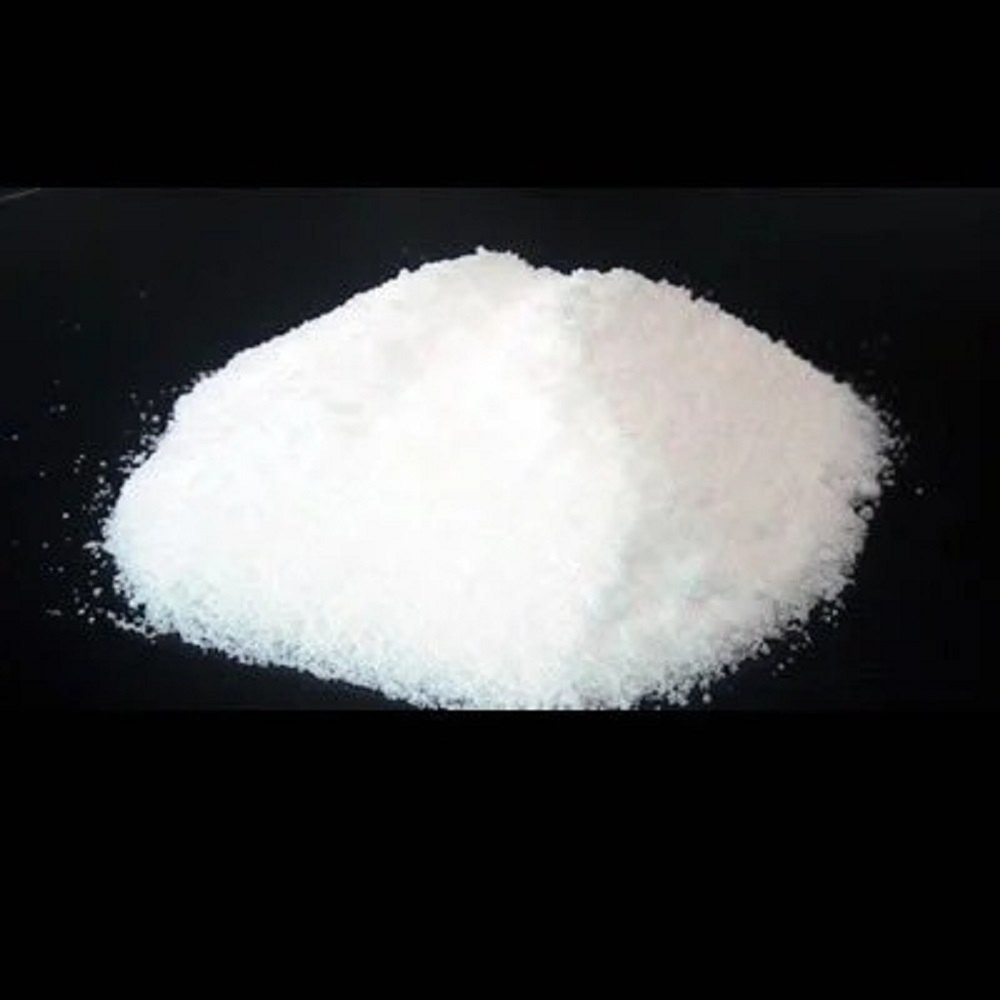
Glauber’s Salt is the decahydrate form of sodium sulfate, containing 10 molecules of water of crystallization.
Although not as powerful as anhydrous desiccants, it plays an important role in controlled moisture absorption, humidity regulation, and thermal storage across multiple industries.
Its stable hydration–dehydration cycle makes it ideal where moderate, reversible moisture control is required rather than aggressive drying.
2. Mechanism as a Desiccant
Glauber’s salt absorbs and releases moisture by reversible hydration and dehydration:
Na₂SO₄·10H₂O ⇌ Na₂SO₄ + 10H₂O
Below 32.4°C, it exists as a solid hydrate, capable of absorbing water vapor from its surroundings.
Above this temperature, it releases water, making it useful in cyclic drying or humidity buffering applications.
3. Key Industrial Applications
A. Controlled Moisture Regulation
Used as a mild desiccant or humidity stabilizer in closed systems.
Helps maintain consistent relative humidity (RH) levels, typically around 70–80% RH at 25°C.
Prevents over-drying or cracking of sensitive materials like textiles, leather, paper, and food packaging.
Applications:
Humidity control in warehouses, packaging, and storage rooms.
Moisture buffering in pharmaceutical and cosmetic product packaging.
B. Thermal Energy Storage Systems
Widely used in phase change materials (PCMs) for thermal energy storage (TES).
During hydration/dehydration, Glauber’s salt absorbs or releases large amounts of latent heat (~254 kJ/kg).
Utilized for temperature regulation and energy conservation in:
Solar heating systems
Building materials (cooling panels, walls)
Air conditioning systems
Heat recovery units
Key Benefit: Dual function — moisture absorption and thermal energy storage.
C. Detergent Manufacturing
Acts as a moisture regulator and filler in powdered detergents.
Maintains free-flowing consistency by binding limited moisture without caking.
Improves granule stability and prevents lump formation during storage.
D. Textile and Dyeing Industry
Used as a hydration-control additive in dye baths.
Stabilizes ionic strength and balances moisture content during textile processing.
Also supports crystallization control in salt recovery systems.
E. Paper & Pulp Industry
Used as a controlled desiccant to maintain humidity balance during paper storage and processing.
Prevents brittleness or warping of paper sheets in variable climates.
F. Food & Packaging Applications (Indirect Use)
Employed as a non-reactive humidity buffer in secondary packaging systems, where strict humidity control is needed but food contact is avoided.
Helps in moisture-sensitive product storage (e.g., spices, dry mixes, seeds).
G. Laboratory & Analytical Use
Used for humidity calibration or as a standard reference salt to maintain a stable RH environment in sealed chambers (~75% RH at 25°C).
Common in desiccator cabinets where moderate humidity control is desired.
4. Advantages as a Desiccant
Property Benefit
Stable and Reversible Hydration Can repeatedly absorb/release moisture.
Non-toxic & Non-corrosive Safe for use in industrial and storage environments.
Cost-effective Economical alternative to synthetic desiccants.
Dual Functionality Acts as both moisture and thermal regulator.
Environmentally Friendly Recyclable and safe to handle.
5. Limitations
Limitation Impact
Low Drying Strength Not suitable for ultra-dry conditions (<30% RH).
Temperature Sensitivity Dehydrates above 32°C.
Bulkiness Hydrated crystals occupy more volume.
Slow Reaction Rate Gradual moisture uptake compared to anhydrous salts or silica gel.
6. Typical Industrial Specifications
Parameter Typical Value
Appearance Transparent to white crystalline solid
Purity (Na₂SO₄·10H₂O) ≥ 99%
Moisture Absorption Range 20–30% (reversible)
Effective RH Control ~70–80% at 25°C
Transition Temperature 32.4°C (hydrate ↔ anhydrous)
Latent Heat of Hydration ~254 kJ/kg
pH (5% solution) 6.0–8.0
7. Safety & Handling
Non-flammable, non-toxic, and non-corrosive.
Avoid prolonged exposure to moisture and heat (>30°C).
Store in cool, dry, sealed containers.
Dispose of in accordance with local environmental regulations (non-hazardous).
8. Summary
Aspect Details
Function Mild desiccant and humidity buffer
Primary Mechanism Reversible hydration/dehydration
Effective RH Range 70–80%
Temperature Stability Up to 32°C
Industrial Applications Detergents, packaging, textiles, paper, thermal storage, humidity regulation
Advantages Safe, reusable, eco-friendly, cost-effective
Conclusion
Glauber’s Salt serves as an economical, stable, and eco-friendly desiccant for moderate humidity control in various industrial sectors.
Its unique reversible hydration properties make it particularly valuable in thermal storage systems, controlled-humidity packaging, and detergent manufacturing, where balanced moisture regulation is more important than aggressive drying.
Would you like me to prepare a Product Technical Data Sheet (TDS) for “Glauber’s Salt Desiccant – Industrial Grade” including Physical Properties, Packaging, Shelf Life, and Safety Handling Sections for your
Sodium Sulfate in Pharmaceutical Drying Processes
1. Overview
Sodium sulfate (Na₂SO₄), particularly in its anhydrous form, is a widely used inorganic drying agent in pharmaceutical manufacturing. It is valued for its ability to remove trace amounts of water from organic solutions and intermediates without chemically reacting with the compounds being dried.
2. Role in Pharmaceutical Drying
In the pharmaceutical industry, sodium sulfate is mainly employed for:
Drying organic solvent phases during synthesis and purification steps.
Eliminating residual moisture from intermediates before crystallization or formulation.
Assisting in solvent recovery where water content must be minimized.
Compared to other drying agents like magnesium sulfate or calcium chloride, sodium sulfate offers a milder and less reactive drying action, making it ideal for sensitive pharmaceutical compounds.
3. Mechanism of Action
Anhydrous sodium sulfate works by adsorbing water molecules from its environment and converting to its hydrated form (Na₂SO₄·10H₂O).
This process is endothermic, and water uptake continues until equilibrium is reached.
The hydrated form is stable and easy to separate by filtration or decantation.
4. Key Applications in Pharma
Drying organic extracts in the synthesis of active pharmaceutical ingredients (APIs).
Moisture removal from solvents such as ether, chloroform, and ethanol.
Preparation of drug intermediates requiring low water activity for stability.
Used post-extraction in natural product isolation and purification.
5. Advantages
Chemically inert toward most organic and inorganic compounds.
High water absorption capacity (up to ~25% by weight).
Non-toxic and inexpensive compared to molecular sieves or other desiccants.
Easy regeneration by heating to 300–400°C.
6. Limitations
Slow drying rate compared to magnesium sulfate or molecular sieves.
Ineffective with very low moisture levels (<0.5%).
Not suitable for strongly basic or acidic media, where hydrolysis can occur.
7. Regulatory and Quality Aspects
Pharmaceutical-grade sodium sulfate must comply with pharmacopeial standards such as:
USP/NF: Sodium Sulfate Anhydrous
Ph. Eur.: Sodium Sulphate Anhydrous (E514)
Free from heavy metals, chlorides, and organic impurities.
8. Related Drying Agents in Comparison
Drying Agent Drying Speed Capacity Suitable for Remarks
Na₂SO₄ Slow High Neutral compounds Mild, inexpensive
MgSO₄ Fast Medium General purpose Common lab desiccant
CaCl₂ Fast High Hydrocarbons, ethers Not for alcohols
Molecular Sieves Very Fast Very High Sensitive products Regenerable, costly
9. Summary
Sodium sulfate serves as a cost-effective, non-reactive drying agent for pharmaceutical applications, especially in bulk and intermediate stages where rapid drying is not critical. Its role in solvent purification, extract dehydration, and moisture control contributes significantly to maintaining product quality and process consistency.
Industrial Applications of Sodium Sulfate as a Drying Agent
1. Overview
Sodium sulfate (Na₂SO₄), particularly in its anhydrous form, is a widely used industrial drying agent due to its high water absorption capacity, chemical inertness, and low cost. It efficiently removes residual moisture from liquids, gases, and solid materials across several industries including chemicals, pharmaceuticals, textiles, food processing, and petrochemicals.
2. Mechanism of Drying
Anhydrous sodium sulfate absorbs water and converts into its hydrated form (Na₂SO₄·10H₂O).
This process binds water physically, not chemically — making it a neutral and safe drying medium.
The hydrated salt is easy to separate and can be regenerated by heating (300–400°C).
3. Major Industrial Drying Applications
A. Chemical Industry
Solvent Drying: Used for dehydrating organic solvents such as ether, toluene, benzene, and chloroform after extraction or distillation.
Reaction Mixture Drying: Applied in organic synthesis to remove trace water from reaction media before product crystallization or separation.
Catalyst Protection: Helps maintain low moisture levels to prevent deactivation of moisture-sensitive catalysts (e.g., in esterification and polymerization).
B. Pharmaceutical Industry
API Manufacturing: Used to dry organic phases during synthesis and purification of active pharmaceutical ingredients.
Intermediate Drying: Removes water from intermediates prior to formulation.
Solvent Recovery Units: Ensures dryness of recovered solvents for reuse in closed-loop systems.
(→ For detailed pharmaceutical uses, see your previous section “Sodium Sulfate in Pharmaceutical Drying Processes.”)
C. Food & Beverage Processing
Drying of Enzymes and Extracts: Maintains low moisture in natural extracts and enzyme formulations.
Dehydration Support: Used as a supportive drying agent in food-grade applications (E514 additive) where controlled water activity is essential.
Salt and Spice Drying: Blended in trace amounts to enhance flowability and reduce caking in hygroscopic powders.
D. Textile & Dye Industry
Dyeing Process Drying: Ensures removal of residual moisture from dyed fabrics and yarns to maintain color fastness.
Auxiliary Drying in Pigment Manufacture: Used to dehydrate dye intermediates and pigment suspensions prior to milling or compaction.
E. Glass and Detergent Manufacturing
Dehydration of Raw Materials: In glassmaking, sodium sulfate helps control moisture in silica and carbonate mixtures.
Detergent Powder Production: Prevents caking by absorbing residual moisture during spray drying and post-blending of detergent granules.
F. Petroleum & Petrochemical Industry
Dehydration of Hydrocarbons: Used for drying nonpolar solvents and oils where water traces can cause corrosion or product degradation.
Gas Drying: Occasionally applied in natural gas treatment to remove trace moisture before compression and transport.
Lubricant Drying: Ensures low water content in lubricating oils, greases, and additives.
4. Advantages
High water absorption (up to 25% of weight).
Chemically inert and non-corrosive.
Inexpensive and easy to handle.
Regenerable for multiple cycles.
Safe for use in food and pharma-grade systems (when certified).
5. Limitations
Slow drying rate compared to magnesium sulfate or molecular sieves.
Limited efficiency at very low humidity levels.
Not suitable for highly acidic or basic systems.
Temperature-sensitive hydration — loses drying capacity above 32°C due to hydrate instability.
6. Regeneration & Reuse
Hydrated sodium sulfate can be reused after dehydration:
Heated to 300–400°C in a rotary or fluidized bed dryer.
Cooling under dry air returns it to its anhydrous state.
This regeneration makes it a cost-efficient drying material in continuous industrial operations.
7. Summary Table: Industrial Drying Uses
Industry Drying Target Application Benefit
Chemical Organic solvents Post-extraction drying Non-reactive moisture removal
Pharmaceutical API intermediates Solvent phase drying Preserves product purity
Food Extracts, salts Anti-caking & dehydration Safe (E514 grade)
Textile Dyes, fibers Drying of pigments & fibers Prevents moisture-related defects
Petrochemical Hydrocarbons, oils Dehydration Prevents corrosion & instability
Detergent Powder blends Spray-drying support Reduces clumping
Sodium Sulfate in High-Sugar Fermentations
1. Overview
In industrial fermentation processes, particularly those involving high-sugar substrates (e.g., glucose, sucrose, molasses), sodium sulfate (Na₂SO₄) plays a critical supporting role in maintaining osmotic balance, ion regulation, and drying/dehydration control.
It is not a fermentable compound but rather a process aid that enhances fermentation stability, product yield, and microorganism performance under high-sugar (high osmolarity) conditions.
2. Role of Sodium Sulfate in High-Sugar Fermentations
A. Osmotic Pressure Regulation
High sugar concentrations increase the osmotic pressure of the fermentation medium, stressing microbial cells (yeasts, bacteria).
Sodium sulfate acts as a neutral ionic balancer, helping to stabilize the osmotic environment by adjusting the ionic strength of the medium without introducing reactive ions (like chloride).
This improves cell viability and fermentation efficiency in osmophilic and moderately osmophilic microbes.
B. Moisture and Water Activity Control
In high-sugar systems, controlling water activity (aᵥ) is vital for microbial stability.
Sodium sulfate is mildly hygroscopic and can bind free water, helping to maintain an optimal water balance for microbial metabolism.
This reduces the risk of undesired microbial contamination (molds, bacteria) that thrive at higher moisture levels.
C. Enhancement of Product Yield
By reducing osmotic stress and maintaining pH and ionic balance, sodium sulfate indirectly enhances:
Ethanol yield in sugar-to-alcohol fermentation (e.g., molasses or sugarcane juice).
Lactic acid and citric acid fermentation efficiency.
Yeast growth and stability in baker’s and brewer’s yeast production.
D. Dehydration & Downstream Processing Support
After fermentation, sodium sulfate assists in product dehydration during concentration or crystallization steps.
For example, in citric acid or antibiotic fermentations, it is used to remove residual water from organic extracts or broths prior to solvent recovery.
It also improves filterability and drying efficiency of fermentation residues.
3. Typical Industrial Applications
Fermentation Type Substrate Purpose of Na₂SO₄ Addition
Ethanol fermentation Molasses, sugarcane juice Osmotic stabilization, moisture control
Citric acid fermentation Glucose, sucrose Moisture removal, yield enhancement
Lactic acid fermentation Glucose, whey Ionic balance, pH stability
Yeast fermentation Molasses, invert sugar Stress protection, improved growth rate
Antibiotic fermentation Starch hydrolysates Solvent phase drying in product recovery
4. Benefits of Sodium Sulfate in Fermentation Systems
Chemically inert – does not interfere with microbial metabolism or fermentation chemistry.
Improves process consistency under variable feedstock sugar concentrations.
Enhances downstream processing efficiency (filtration, drying, crystallization).
Reduces contamination risks by moderating water activity.
Low-cost and easily available additive suitable for large-scale use.
5. Considerations and Limitations
Overuse can increase ionic strength excessively, inhibiting certain sensitive microorganisms.
Should be used in controlled amounts (typically 0.1–1.0% w/v depending on process).
Must be of food or pharma grade if product purity standards (like food-grade ethanol or citric acid) are required.
6. Example: Ethanol Fermentation from Molasses
In molasses-based ethanol production, sodium sulfate is sometimes added during fermentation or pre-treatment to:
Mitigate osmotic stress on yeast cells due to high sucrose levels (~40–50%).
Prevent microbial contamination by lowering free water activity.
Assist in dehydration during distillation, improving ethanol recovery and purity.
7. Summary
Sodium sulfate serves as a multifunctional process aid in high-sugar fermentations, contributing to:
Stable fermentation kinetics under osmotic stress,
Improved product yield, and
More efficient downstream dehydration.
Its combination of ionic neutrality, moisture-binding ability, and low cost makes it an ideal additive for large-scale bioprocessing industries such as ethanol, citric acid, lactic acid, and yeast production.
Physical and Chemical Hazards
Appearance: White crystalline powder (anhydrous) or granular.
Odor: Odorless.
Solubility: Soluble in water; slightly soluble in alcohol.
Reactivity: Chemically stable; non-reactive with most substances under normal conditions.
Dust Hazard: Fine powder may cause eye or respiratory irritation if airborne.
2. Personal Protective Equipment (PPE)
When handling sodium sulfate as a desiccant:
Gloves: Chemical-resistant gloves (nitrile, PVC) to prevent skin irritation.
Eye Protection: Safety goggles or face shield to prevent dust contact.
Respiratory Protection: Dust mask or respirator in dusty environments.
Clothing: Lab coat or long-sleeved protective clothing to prevent prolonged skin contact.
3. Safe Handling Practices
Avoid dust formation: Use slow pouring, closed systems, or local exhaust ventilation.
Do not ingest or inhale: Even though non-toxic, inhalation may irritate the respiratory tract.
Good hygiene: Wash hands after handling. Avoid touching eyes, nose, or mouth.
Storage:
Keep dry and sealed to maintain desiccant activity.
Store in cool, ventilated areas away from strong acids or reactive chemicals.
Spill Handling:
Sweep up spills carefully to avoid dust.
Avoid flushing into drains; collect for proper disposal or recycling.
4. Fire Safety
Sodium sulfate is non-flammable.
No special fire-fighting measures are required, but in large storage areas, standard fire precautions apply.
5. Environmental Considerations
Low environmental hazard: Water-soluble; excessive release can increase salinity in water bodies, which may affect aquatic life.
- Glauber's salt
- mirabilite
- thenardite
- sulfate of soda
- salt cake
- disodium sulfate
- sodium sulphate supplier
- sodium sulphate manufacturer
- sodium sulphate exporter
- bulk sodium sulphate
- industrial sodium sulphate
- sodium sulphate price
Disposal:
Follow local regulations for industrial salts.
Small amounts can often be washed with plenty of water into drainage systems if permitted.
6. First Aid Measures
Exposure Type Immediate Action
Eye contact Rinse immediately with plenty of water for 15 minutes; seek medical advice if irritation persists.
Skin contact Wash with soap and water; remove contaminated clothing.
Inhalation Move to fresh air; seek medical attention if coughing or breathing difficulty occurs.
Ingestion Rinse mouth with water; drink water; medical attention rarely needed unless large quantities ingested.
7. Key Safety Tips for Industrial Use
Keep sodium sulfate dry; moisture reduces desiccant efficiency.
Use ventilation or dust extraction systems when handling powder.
Label containers clearly and store away from incompatible chemicals (strong acids or bases).
Train personnel on safe handling, PPE, and emergency response.
For large-scale operations, consider closed conveying systems to minimize exposure and loss.