Why Industrial Manufacturers Choose Sodium Nitrate Suppliers They Can Trust
Industrial manufacturing lives and dies by the quality and reliability of its inputs. Among those inputs, sodium nitrate often plays a quiet but pivotal role. Whether it is enabling cleaner combustion in glass furnaces, stabilizing ceramic glazes, supporting catalytic reactions, aiding heat transfer in solar thermal systems, or serving as a reagent in analytical labs, sodium nitrate sits at the intersection of performance, safety, and cost. When production schedules are tight and quality tolerances are unforgiving, a trusted sodium nitrate supplier becomes more than a vendor. It becomes a strategic partner.
This article explores why manufacturers invest time and rigor in selecting sodium nitrate suppliers they can trust. We will examine the practical drivers behind supplier choice, the technical factors that affect product performance, the logistics and risk considerations that separate average suppliers from best in class, and the governance frameworks that help organizations reduce uncertainty over the long term. We will also touch on market dynamics, specification trends, and how leading procurement teams structure relationships to capture value beyond the price per kilogram.
Understanding Sodium Nitrate in Industrial Contexts
Sodium nitrate, NaNO3, is a white, water soluble, oxidizing salt. It appears across industries for reasons that reflect its chemical personality.
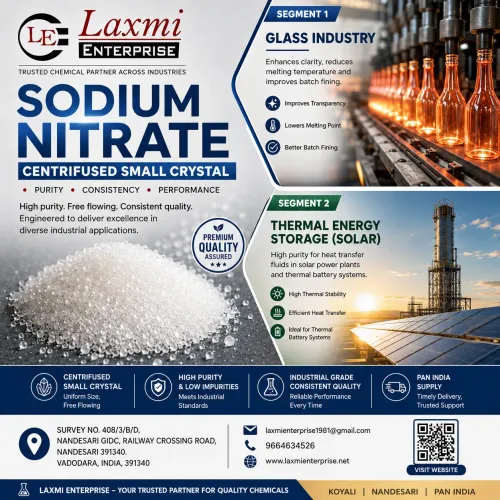
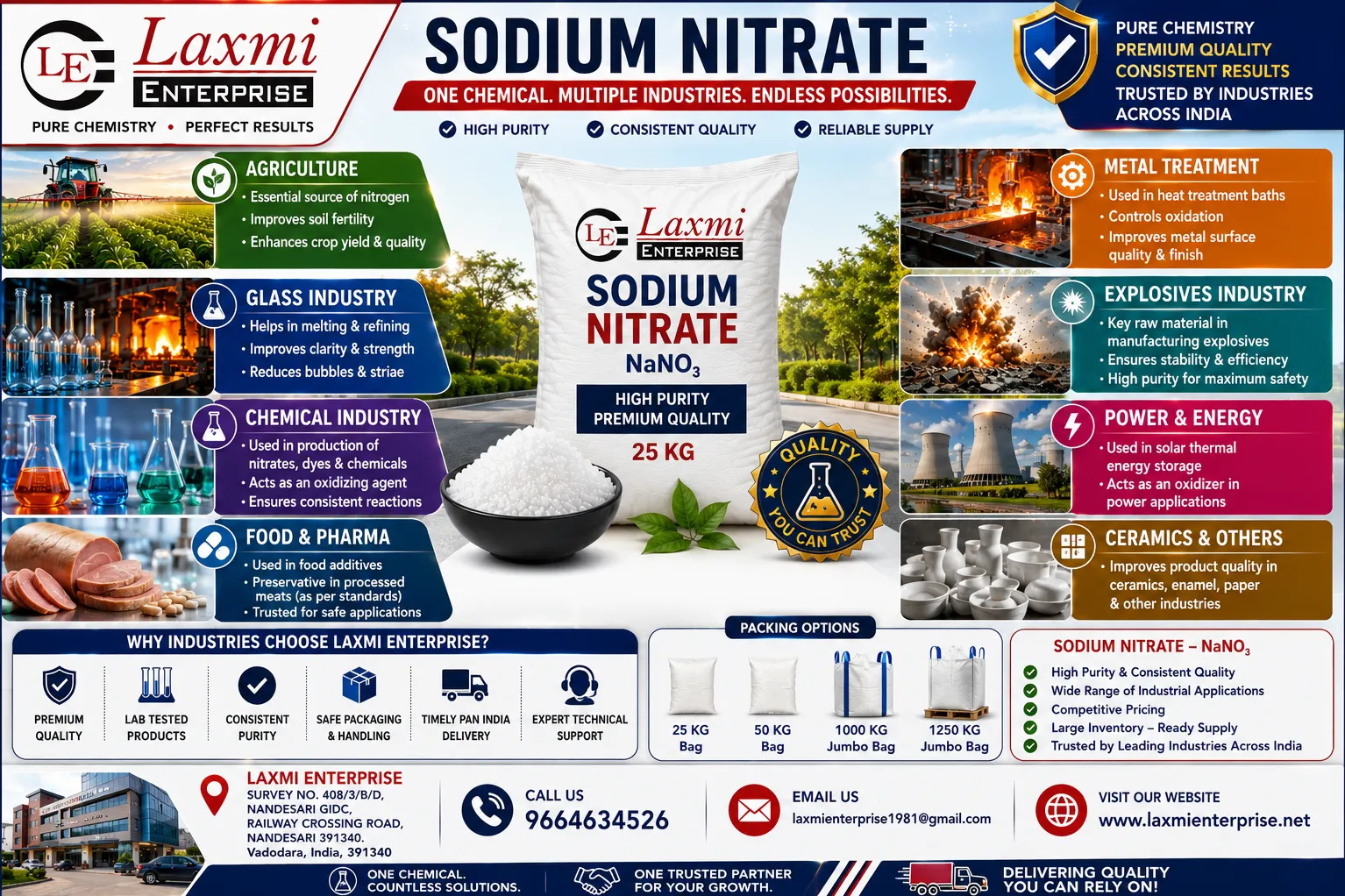
It is an oxidizer that can enhance combustion, useful in glass and ceramics production where control over melting behavior and color is critical. It can act as a fluxing aid, lowering melting points to optimize process energy profiles and surface finishes. In chemical synthesis, it provides a reactive nitrate source for controlled transformations, while in analytical chemistry it can function as a standard or reagent in well defined methods. As part of heat transfer salt blends, sodium nitrate contributes high thermal stability and heat capacity, enabling efficient energy storage and transfer in concentrated solar power plants and other thermal systems. In certain water treatment applications, it provides a clean nitrate source for biological nutrient management and process control, though this use must be engineered carefully to avoid downstream nitrite formation and environmental impacts. It appears as a component in pyrotechnic formulations and specialty oxidizing systems where predictable performance and consistent granule size can make the difference between uniform burn characteristics and uneven or unsafe behavior.
These uses share a common thread. Each application depends on consistency. Small variations in purity, moisture content, particle size distribution, or contaminant profile can ripple through a process and compromise yield, quality, or safety. That is why manufacturers place such a premium on supplier trustworthiness.
What Trust Really Means in Chemical Supply
Trust in a sodium nitrate supplier is not a matter of personality or marketing language. It is an evidence based, continuously verified assessment grounded in capability, behavior, and results.
Technical competence. A trusted supplier can meet tight specifications, batch after batch, and demonstrate the analytical rigor behind those claims. Certificates of analysis must be specific, traceable, and supported by validated methods. When questions arise, the supplier’s technical staff can explain results, show method uncertainty, and investigate anomalies quickly.
Process control. Trust grows when suppliers operate under disciplined quality systems, often aligned with ISO 9001 or equivalent. Consistent raw material sourcing, documented process parameters, preventive maintenance, and well run change control procedures all reduce unexpected variability.
Regulatory stewardship. From REACH and TSCA to local hazardous materials regulations, reputable suppliers stay ahead of compliance requirements, provide up to date safety data sheets, and support downstream obligations such as labeling and transport documentation for oxidizers.
Logistics resilience. On time delivery relies on more than a trucking schedule. It reflects buffer stocks, multi plant production footprints or qualified tolling arrangements, and contingency plans for port congestion, weather events, or demand spikes.
Transparency. Trusted partners do not hide problems. They communicate early about potential delays, proactively propose substitutions or schedule adjustments, and document corrective actions when deviations occur.
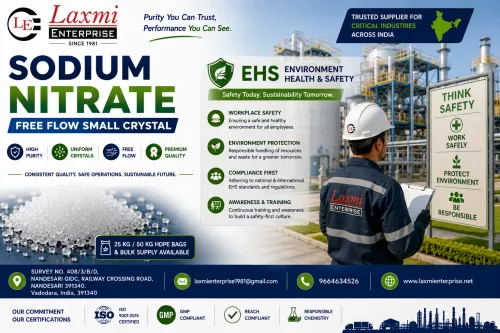
Ethics and safety culture. Chemicals like sodium nitrate demand respect. A strong safety culture, responsible care commitments, and ethical sourcing practices build confidence that short term pressures will not lead to risky shortcuts.
The Cost of Getting Sodium Nitrate Wrong
A single off spec batch can cost far more than the savings of a low bid. The failure modes are sobering.
Process instability. Elevated moisture can cause caking and inconsistent feed rates, upsetting dosing systems and creating variability in furnaces or reactors. Deviations in purity can shift reaction stoichiometry or catalytic behavior, reducing yield or causing off quality product that must be reworked or scrapped.
Contamination. Trace metals or chloride contamination can promote corrosion, discoloration in glass or ceramics, or undesirable side reactions. In heat transfer salts, improper impurity profiles can accelerate degradation pathways and shorten system life.
Safety incidents. As an oxidizer, sodium nitrate must be stored and handled carefully, away from incompatible materials and ignition sources. Poor labeling, degraded packaging, or inaccurate hazard communication can raise the risk of fires or exothermic events.
Regulatory exposure. Incomplete or outdated safety data sheets, misclassified shipping papers, or failures to meet product registration requirements can trigger fines, shipment holds, or forced shutdowns.
Hidden operational costs. Caked material and variable granulation increase labor time, equipment wear, and downtime for cleaning and recalibration. Unplanned line stoppages reverberate across production scheduling, overtime, and downstream customer commitments.
For manufacturers, these risks justify a deliberate supplier selection process that weighs total cost of ownership, not only unit price.
Key Specification Levers That Matter
Procurement and technical teams typically define a sodium nitrate specification that balances performance needs, safety, and cost. The most impactful levers include:
Assay and purity. Standard industrial grades often target around 99 percent plus assay on a dry basis. Higher grades such as ACS can be specified for laboratory or high sensitivity applications. The correct level depends on the application’s tolerance for impurities.
Moisture content. Because sodium nitrate is hygroscopic, moisture drives caking risk and flow behavior. Specifications often cap moisture at low percentages, and packaging or desiccation strategies become part of the delivered solution.
Particle size distribution. Fine powders may dissolve faster but can dust more and cake more readily. Granules can improve flowability, reduce dust, and enhance feeding consistency. Tight PSD windows support predictable process performance.
Insolubles and turbidity. Insoluble matter can foul systems, cause haze in glass, or appear as defects in ceramics. Low insoluble content correlates with cleaner operations.
Trace contaminants. Chloride, sulfate, heavy metals, and transition metals can have disproportionate effects on corrosion, color, and catalytic pathways. Application specific limits control these risks.
Packaging and liner systems. Multi wall bags with inner liners, anti caking agents when allowed, and robust palletization limit moisture ingress, stack collapse, and handling damage.
Analytical methods and COA content. A reliable COA lists test methods, units, results, and acceptable ranges. Suppliers who share method validation data and detection limits enable better risk management.
How Leading Suppliers Build Reliability
Trusted sodium nitrate suppliers tend to display a similar operating philosophy. Several practices stand out.
Upstream raw material control. They qualify and audit their own suppliers of precursors such as nitric acid and sodium sources, maintain redundant sources where feasible, and continuously monitor impurity fingerprints to anticipate change.
Process mapping and SPC. Detailed process maps and statistical process control prevent drift. Early warning indicators trigger interventions before a batch moves out of tolerance.
Environmental controls. Temperature and humidity controlled storage for both raw materials and finished goods protect against moisture pickup. Controlled loading environments reduce contamination.
Packaging engineering. Suppliers invest in packaging that balances barrier properties, stack strength, and ergonomics, and they validate performance through drop tests, vibration tests, and humidity exposure.
Inventory strategy. Strategic safety stocks at regional warehouses or third party logistics hubs reduce lead times and buffer supply interruptions. Some offer vendor managed inventory programs for steady consumption sites.
Technical support. Application engineers collaborate on root cause analyses, help adjust feed systems for different PSDs, and recommend storage and handling practices tailored to the customer’s climate and facility constraints.
Regulatory intelligence. Dedicated compliance teams maintain current SDS libraries, stay ahead of evolving transport rules for oxidizers, and support customer audits with documentation on food contact, environmental disclosures, or conflict minerals reporting where relevant.
Risk Management Across the Supply Chain
Sodium nitrate supply risk rarely comes from one source alone. Manufacturers build layered defenses that address technical, logistical, and geopolitical uncertainties.
Dual sourcing and qualification. Even when one supplier is favored, a second is often qualified and kept warm through occasional orders. This provides an immediate fallback during disruptions.
Contract structures with performance clauses. Service levels for on time and in full delivery, maximum allowable backorders, and penalties create aligned incentives without eroding partnership dynamics.
Forecast collaboration. Sharing rolling forecasts and major maintenance schedules helps suppliers stage inventory and plan production campaigns. In exchange, suppliers communicate their own plant turnarounds well in advance.
Geographic diversification. Sourcing across regions reduces exposure to weather, port closures, and regional policy shifts. It also balances currency risk and freight volatility.
Insurance and safety stock strategy. Companies choose between holding more inventory on site versus leveraging supplier held stock. The right answer depends on cash cost, shelf life, and storage constraints. Because sodium nitrate is hygroscopic and an oxidizer, storage design and safety reviews are essential before increasing on site stocks.
Continuous improvement reviews. Quarterly or semiannual business reviews with suppliers track KPIs, analyze near misses, and set improvement targets. Over time, this cadence builds resilience.
The Role of Documentation and Traceability
In chemical supply, paperwork is part of the product. Trusted suppliers invest in clear, complete, and timely documentation.
Safety data sheets. Up to date, jurisdiction aligned SDS documents support worker training, emergency response, and regulatory inspections. Revisions triggered by classification changes or new toxicology data must be communicated proactively.
Certificates of analysis. Batch specific COAs prove conformance to specification. They should include assay, moisture, insolubles, key trace contaminants, PSD where applicable, test methods, and signatures or electronic authentication.
Certificates of origin and regulatory statements. For certain markets, customers may need origin documentation, REACH statements, TSCA compliance attestation, or other confirmations. Organized suppliers provide these without delay.
Lot traceability. Robust lot numbering and recordkeeping allow full backward and forward traceability. In the event of a quality issue, fast and precise lot containment prevents widespread disruption.
Change notifications. When a supplier updates a process, changes packaging, or shifts a raw material source, formal change control notices give customers time to evaluate potential impacts.
Selecting a Supplier: A Practical Playbook
Procurement teams can reduce uncertainty by running a structured sourcing and qualification process.
Define application specific specs. Collaborate with production, quality, and EHS to set assay, moisture, PSD, impurities, packaging, and documentation requirements. Tie each spec to a functional need so tradeoffs are explicit.
Scan the market. Shortlist suppliers capable of meeting grade and volume needs. Consider regional presence, plant capacities, and reference customers in similar applications.
Issue a detailed RFI or RFQ. Request technical data sheets, typical COAs, QC methods, packaging options, lead times, available stock points, and compliance documentation. Ask for stability data on moisture pickup and caking over time.
Evaluate samples. Run lab and pilot tests on representative lots. Check dissolution rates, caking under humidity cycling, PSD stability, and process specific performance effects.
Audit quality systems. For critical volumes, conduct remote or on site audits. Verify calibration practices, change control, batch recordkeeping, laboratory competence, and corrective action procedures.
Model total cost. Combine unit price with freight, duties, inventory carrying costs, expected waste from caking, and the operational impact of different PSDs. Consider the financial value of improved reliability and reduced downtime.
Negotiate service levels. Include on time in full targets, expedited replenishment options, inventory strategies, and communication standards. Build in quarterly review cadences.
Pilot and ramp. Start with controlled volumes, monitor quality and delivery KPIs, and only then expand. Keep a second supplier qualified to preserve leverage and resilience.
What Differentiates Top Tier Partners
Across industries, certain supplier behaviors correlate with long term success.
They anticipate, not just react. Before a holiday closure at a key port, they reposition inventory. Before monsoon season, they discuss moisture control in transit. Before a scheduled plant turnaround, they share a build ahead schedule.
They quantify risks. Rather than giving vague reassurances, they present probability impact matrices, alternate transport routes, and stock coverage estimates under different demand scenarios.
They help customers improve. They suggest a switch from powder to granule to ease feeding issues, propose different liner materials to reduce moisture ingress, or provide training materials for safe oxidizer storage.
They invest in data. They can show multi year capability indices for assay and moisture, not just one off COAs. They use barcoding or RFID for traceability and can export shipment histories in formats customers can digest.
They show up when it matters. When a deviation occurs, technical staff arrive with clear containment and corrective action plans. They do not deflect blame; they solve the problem and document learning.
Balancing Sustainability With Performance
Sustainability expectations are rising across chemical supply chains. Trusted sodium nitrate suppliers are responding in several ways.
Energy and emissions. They track and report scope 1 and 2 emissions, pursue energy efficiency in nitration and crystallization steps, and, where feasible, source lower carbon electricity. Some provide product carbon footprints to support customers’ lifecycle assessments.
Water stewardship. Because crystallization and washing steps can be water intensive, leading suppliers invest in recycling systems and monitor discharge quality diligently.
Packaging optimization. Thinner yet higher barrier liners, recycled content pallets, and palletization designs that reduce damage and waste all contribute to lower environmental impact without sacrificing product integrity.
Transport efficiency. Consolidated loads, intermodal optimization, and regional stocking strategies reduce transport emissions and often improve lead times.
Transparency and certification. Third party assessments can provide confidence that claims are real. Customers increasingly weigh these factors alongside price and quality when making awards.
Safety and Responsible Use
Sodium nitrate’s oxidizing properties demand respect at every stage. A trusted supplier’s safety posture supports safe use downstream.
Clear hazard communication. Labels, placards, and SDS information must align with transport and workplace regulations. This includes categorization as an oxidizer and incompatibilities to avoid.
Storage guidance. Recommendations typically include cool, dry, well ventilated storage, segregation from combustibles and reducing agents, and pallets arranged to prevent bag damage. Humidity control is key to reducing caking and bag degradation.
Handling practices. Minimizing dust, using appropriate personal protective equipment, and maintaining clean transfer points reduce exposure risks and cross contamination.
Emergency response. Suppliers can provide guidance on spill management, fire response priorities around oxidizers, and disposal considerations consistent with local regulations.
By reinforcing safe practices, suppliers help customers protect their people and facilities while maintaining product quality.
Market Dynamics and Pricing Considerations
Sodium nitrate pricing reflects a mix of raw material costs, energy, freight, and regional supply demand balances. Several macro factors influence volatility.
Feedstock swings. Availability and price of nitric acid and sodium sources drive base cost. Changes in ammonia or natural gas markets can ripple through to nitrate pricing via nitric acid.
Energy intensity. Crystallization, drying, and packaging steps consume energy. Electricity and fuel price shifts can meaningfully move conversion costs.
Freight and logistics. Ocean container rates, port congestion, and overland fuel costs affect delivered pricing, especially for cross border shipments.
Regulatory changes. New transport rules for oxidizers, changes in import duties, or environmental compliance investments can alter supplier cost structures and capacity.
Demand cycles. Seasonality from fertilizer markets, outages at glass or ceramics producers, or growth in solar thermal storage can tighten or loosen availability.
Trusted suppliers help customers navigate these shifts with transparent cost drivers, index based pricing options when appropriate, and early warnings about market changes.
Case Pattern Observations From Industry
Though every plant and process is different, several common patterns recur in successful sodium nitrate partnerships.
Granule conversions. Many manufacturers who initially purchase powder grades later convert to granular grades to reduce dusting, improve flow in feeders, and lessen caking. The upcharge for granules is often repaid through smoother operations and reduced housekeeping.
Moisture mitigation pays. Upgraded packaging and better storage environments reduce waste. In humid climates, incremental investments in dehumidified storage frequently lower total cost by cutting product losses and unplanned downtime.
Broader technical engagement. Plants that involve supplier technical teams early in process troubleshooting see faster resolution and fewer recurrences. Sharing operating envelopes and constraints enables more targeted recommendations.
Data driven reviews. Quarterly reviews that track delivery reliability, nonconformance counts, and process metrics tied to sodium nitrate performance (such as defect rates or furnace stability) correlate with steady improvement.
Practical Advice for Manufacturers
For teams evaluating or consolidating sodium nitrate supply, several pragmatic steps can yield outsized benefits.
Write specs that reflect the true need. Avoid over specifying purity or metal limits without a process reason, but hold a firm line on the attributes that protect quality, safety, and uptime.
Ask for evidence. Request multi batch COA histories and method details. Where performance is critical, ask for capability indices for moisture and assay over time, not just a single snapshot.
Pilot real world conditions. If caking is a concern, subject samples to humidity cycling that matches your climate and storage duration. Validate not only initial PSD but also PSD after transport and handling.
Quantify the cost of variability. Estimate the cost of one day of downtime, increased cleaning, scrap, and rework. Use these numbers to frame negotiations around reliability and service levels, not only price.
Treat suppliers like partners. Share forecasts, planned outages, and changes in consumption. Give feedback quickly and constructively. Engage their technical teams early, not only when something goes wrong.
Maintain a qualified backup. Even the best suppliers face unforeseen disruptions. Keeping a second source validated protects production and improves bargaining power.
The Strategic Upside of Trust
When a sodium nitrate supplier proves consistently reliable, manufacturers gain more than predictable deliveries. They often unlock process improvements and cost reductions that compound over time.
Better yield and quality. Tighter PSD and moisture control improve dosing accuracy and dissolution behavior, leading to more uniform reactions or melts. Fewer defects translate into higher first pass yields.
Lower total cost. Reduced caking and dusting cut housekeeping, rework, and filter replacements. Smoother feeding minimizes equipment wear and unplanned stoppages.
Faster change management. With robust change control and transparent communication, necessary shifts in packaging, logistics, or process details happen with fewer surprises and less risk.
Shared innovation. Suppliers who know a process well can propose incremental innovations, from packaging tweaks to alternative grades that better fit evolving needs.
Reputation and customer service. Stable internal operations and dependable lead times support better service to your own customers, reinforcing your market position.
Looking Ahead
Industrial supply chains continue to evolve. Digital traceability, predictive logistics, and more granular quality analytics are moving from nice to have to standard practice. Sustainability expectations will further shape packaging choices, transport modes, and energy sources in production plants. As solar thermal storage scales in new regions, demand for high quality heat transfer salts that include sodium nitrate may expand. Through all of this, the logic of supplier trust endures.
Choose partners who provide evidence backed quality, transparent communication, and a safety first mindset. Align incentives through thoughtful contracts and regular reviews. Invest in application specific testing, and keep a qualified second source to remain resilient. These are the habits that distinguish manufacturers who merely buy chemicals from those who turn their supply base into a competitive advantage.
Conclusion
Sodium nitrate may not be the most glamorous line item in a bill of materials, but its influence on process stability, safety, and product quality is real. The case for trusted suppliers rests on hard economics and operational reality. Tight specifications, capable processes, resilient logistics, and open collaboration protect uptime and unlock performance. In a world where the unexpected is always possible, manufacturers who cultivate dependable sodium nitrate partnerships find themselves better prepared, more efficient, and more competitive.
Industrial manufacturing lives and dies by the quality and reliability of its inputs. Among those inputs, sodium nitrate often plays a quiet but pivotal role. Whether it is enabling cleaner combustion in glass furnaces, stabilizing ceramic glazes, supporting catalytic reactions, aiding heat transfer in solar thermal systems, or serving as a reagent in analytical labs, sodium nitrate sits at the intersection of performance, safety, and cost. When production schedules are tight and quality tolerances are unforgiving, a trusted sodium nitrate supplier becomes more than a vendor. It becomes a strategic partner.
This article explores why manufacturers invest time and rigor in selecting sodium nitrate suppliers they can trust. We will examine the practical drivers behind supplier choice, the technical factors that affect product performance, the logistics and risk considerations that separate average suppliers from best in class, and the governance frameworks that help organizations reduce uncertainty over the long term. We will also touch on market dynamics, specification trends, and how leading procurement teams structure relationships to capture value beyond the price per kilogram.
Understanding Sodium Nitrate in Industrial Contexts
Sodium nitrate, NaNO3, is a white, water soluble, oxidizing salt. It appears across industries for reasons that reflect its chemical personality.
It is an oxidizer that can enhance combustion, useful in glass and ceramics production where control over melting behavior and color is critical. It can act as a fluxing aid, lowering melting points to optimize process energy profiles and surface finishes. In chemical synthesis, it provides a reactive nitrate source for controlled transformations, while in analytical chemistry it can function as a standard or reagent in well defined methods. As part of heat transfer salt blends, sodium nitrate contributes high thermal stability and heat capacity, enabling efficient energy storage and transfer in concentrated solar power plants and other thermal systems. In certain water treatment applications, it provides a clean nitrate source for biological nutrient management and process control, though this use must be engineered carefully to avoid downstream nitrite formation and environmental impacts. It appears as a component in pyrotechnic formulations and specialty oxidizing systems where predictable performance and consistent granule size can make the difference between uniform burn characteristics and uneven or unsafe behavior.
These uses share a common thread. Each application depends on consistency. Small variations in purity, moisture content, particle size distribution, or contaminant profile can ripple through a process and compromise yield, quality, or safety. That is why manufacturers place such a premium on supplier trustworthiness.
What Trust Really Means in Chemical Supply
Trust in a sodium nitrate supplier is not a matter of personality or marketing language. It is an evidence based, continuously verified assessment grounded in capability, behavior, and results.
Technical competence. A trusted supplier can meet tight specifications, batch after batch, and demonstrate the analytical rigor behind those claims. Certificates of analysis must be specific, traceable, and supported by validated methods. When questions arise, the supplier’s technical staff can explain results, show method uncertainty, and investigate anomalies quickly.
Process control. Trust grows when suppliers operate under disciplined quality systems, often aligned with ISO 9001 or equivalent. Consistent raw material sourcing, documented process parameters, preventive maintenance, and well run change control procedures all reduce unexpected variability.
Regulatory stewardship. From REACH and TSCA to local hazardous materials regulations, reputable suppliers stay ahead of compliance requirements, provide up to date safety data sheets, and support downstream obligations such as labeling and transport documentation for oxidizers.
Logistics resilience. On time delivery relies on more than a trucking schedule. It reflects buffer stocks, multi plant production footprints or qualified tolling arrangements, and contingency plans for port congestion, weather events, or demand spikes.
Transparency. Trusted partners do not hide problems. They communicate early about potential delays, proactively propose substitutions or schedule adjustments, and document corrective actions when deviations occur.
Ethics and safety culture. Chemicals like sodium nitrate demand respect. A strong safety culture, responsible care commitments, and ethical sourcing practices build confidence that short term pressures will not lead to risky shortcuts.
The Cost of Getting Sodium Nitrate Wrong
A single off spec batch can cost far more than the savings of a low bid. The failure modes are sobering.
Process instability. Elevated moisture can cause caking and inconsistent feed rates, upsetting dosing systems and creating variability in furnaces or reactors. Deviations in purity can shift reaction stoichiometry or catalytic behavior, reducing yield or causing off quality product that must be reworked or scrapped.
Contamination. Trace metals or chloride contamination can promote corrosion, discoloration in glass or ceramics, or undesirable side reactions. In heat transfer salts, improper impurity profiles can accelerate degradation pathways and shorten system life.
Safety incidents. As an oxidizer, sodium nitrate must be stored and handled carefully, away from incompatible materials and ignition sources. Poor labeling, degraded packaging, or inaccurate hazard communication can raise the risk of fires or exothermic events.
Regulatory exposure. Incomplete or outdated safety data sheets, misclassified shipping papers, or failures to meet product registration requirements can trigger fines, shipment holds, or forced shutdowns.
Hidden operational costs. Caked material and variable granulation increase labor time, equipment wear, and downtime for cleaning and recalibration. Unplanned line stoppages reverberate across production scheduling, overtime, and downstream customer commitments.
For manufacturers, these risks justify a deliberate supplier selection process that weighs total cost of ownership, not only unit price.
Key Specification Levers That Matter
Procurement and technical teams typically define a sodium nitrate specification that balances performance needs, safety, and cost. The most impactful levers include:
Assay and purity. Standard industrial grades often target around 99 percent plus assay on a dry basis. Higher grades such as ACS can be specified for laboratory or high sensitivity applications. The correct level depends on the application’s tolerance for impurities.
Moisture content. Because sodium nitrate is hygroscopic, moisture drives caking risk and flow behavior. Specifications often cap moisture at low percentages, and packaging or desiccation strategies become part of the delivered solution.
Particle size distribution. Fine powders may dissolve faster but can dust more and cake more readily. Granules can improve flowability, reduce dust, and enhance feeding consistency. Tight PSD windows support predictable process performance.
Insolubles and turbidity. Insoluble matter can foul systems, cause haze in glass, or appear as defects in ceramics. Low insoluble content correlates with cleaner operations.
Trace contaminants. Chloride, sulfate, heavy metals, and transition metals can have disproportionate effects on corrosion, color, and catalytic pathways. Application specific limits control these risks.
Packaging and liner systems. Multi wall bags with inner liners, anti caking agents when allowed, and robust palletization limit moisture ingress, stack collapse, and handling damage.
Analytical methods and COA content. A reliable COA lists test methods, units, results, and acceptable ranges. Suppliers who share method validation data and detection limits enable better risk management.
How Leading Suppliers Build Reliability
Trusted sodium nitrate suppliers tend to display a similar operating philosophy. Several practices stand out.
Upstream raw material control. They qualify and audit their own suppliers of precursors such as nitric acid and sodium sources, maintain redundant sources where feasible, and continuously monitor impurity fingerprints to anticipate change.
Process mapping and SPC. Detailed process maps and statistical process control prevent drift. Early warning indicators trigger interventions before a batch moves out of tolerance.
Environmental controls. Temperature and humidity controlled storage for both raw materials and finished goods protect against moisture pickup. Controlled loading environments reduce contamination.
Packaging engineering. Suppliers invest in packaging that balances barrier properties, stack strength, and ergonomics, and they validate performance through drop tests, vibration tests, and humidity exposure.
Inventory strategy. Strategic safety stocks at regional warehouses or third party logistics hubs reduce lead times and buffer supply interruptions. Some offer vendor managed inventory programs for steady consumption sites.
Technical support. Application engineers collaborate on root cause analyses, help adjust feed systems for different PSDs, and recommend storage and handling practices tailored to the customer’s climate and facility constraints.
Regulatory intelligence. Dedicated compliance teams maintain current SDS libraries, stay ahead of evolving transport rules for oxidizers, and support customer audits with documentation on food contact, environmental disclosures, or conflict minerals reporting where relevant.
Risk Management Across the Supply Chain
Sodium nitrate supply risk rarely comes from one source alone. Manufacturers build layered defenses that address technical, logistical, and geopolitical uncertainties.
Dual sourcing and qualification. Even when one supplier is favored, a second is often qualified and kept warm through occasional orders. This provides an immediate fallback during disruptions.
Contract structures with performance clauses. Service levels for on time and in full delivery, maximum allowable backorders, and penalties create aligned incentives without eroding partnership dynamics.
Forecast collaboration. Sharing rolling forecasts and major maintenance schedules helps suppliers stage inventory and plan production campaigns. In exchange, suppliers communicate their own plant turnarounds well in advance.
Geographic diversification. Sourcing across regions reduces exposure to weather, port closures, and regional policy shifts. It also balances currency risk and freight volatility.
Insurance and safety stock strategy. Companies choose between holding more inventory on site versus leveraging supplier held stock. The right answer depends on cash cost, shelf life, and storage constraints. Because sodium nitrate is hygroscopic and an oxidizer, storage design and safety reviews are essential before increasing on site stocks.
Continuous improvement reviews. Quarterly or semiannual business reviews with suppliers track KPIs, analyze near misses, and set improvement targets. Over time, this cadence builds resilience.
The Role of Documentation and Traceability
In chemical supply, paperwork is part of the product. Trusted suppliers invest in clear, complete, and timely documentation.
Safety data sheets. Up to date, jurisdiction aligned SDS documents support worker training, emergency response, and regulatory inspections. Revisions triggered by classification changes or new toxicology data must be communicated proactively.
Certificates of analysis. Batch specific COAs prove conformance to specification. They should include assay, moisture, insolubles, key trace contaminants, PSD where applicable, test methods, and signatures or electronic authentication.
Certificates of origin and regulatory statements. For certain markets, customers may need origin documentation, REACH statements, TSCA compliance attestation, or other confirmations. Organized suppliers provide these without delay.
Lot traceability. Robust lot numbering and recordkeeping allow full backward and forward traceability. In the event of a quality issue, fast and precise lot containment prevents widespread disruption.
Change notifications. When a supplier updates a process, changes packaging, or shifts a raw material source, formal change control notices give customers time to evaluate potential impacts.
Selecting a Supplier: A Practical Playbook
Procurement teams can reduce uncertainty by running a structured sourcing and qualification process.
Define application specific specs. Collaborate with production, quality, and EHS to set assay, moisture, PSD, impurities, packaging, and documentation requirements. Tie each spec to a functional need so tradeoffs are explicit.
Scan the market. Shortlist suppliers capable of meeting grade and volume needs. Consider regional presence, plant capacities, and reference customers in similar applications.
Issue a detailed RFI or RFQ. Request technical data sheets, typical COAs, QC methods, packaging options, lead times, available stock points, and compliance documentation. Ask for stability data on moisture pickup and caking over time.
Evaluate samples. Run lab and pilot tests on representative lots. Check dissolution rates, caking under humidity cycling, PSD stability, and process specific performance effects.
Audit quality systems. For critical volumes, conduct remote or on site audits. Verify calibration practices, change control, batch recordkeeping, laboratory competence, and corrective action procedures.
Model total cost. Combine unit price with freight, duties, inventory carrying costs, expected waste from caking, and the operational impact of different PSDs. Consider the financial value of improved reliability and reduced downtime.
Negotiate service levels. Include on time in full targets, expedited replenishment options, inventory strategies, and communication standards. Build in quarterly review cadences.
Pilot and ramp. Start with controlled volumes, monitor quality and delivery KPIs, and only then expand. Keep a second supplier qualified to preserve leverage and resilience.
What Differentiates Top Tier Partners
Across industries, certain supplier behaviors correlate with long term success.
They anticipate, not just react. Before a holiday closure at a key port, they reposition inventory. Before monsoon season, they discuss moisture control in transit. Before a scheduled plant turnaround, they share a build ahead schedule.
They quantify risks. Rather than giving vague reassurances, they present probability impact matrices, alternate transport routes, and stock coverage estimates under different demand scenarios.
They help customers improve. They suggest a switch from powder to granule to ease feeding issues, propose different liner materials to reduce moisture ingress, or provide training materials for safe oxidizer storage.
They invest in data. They can show multi year capability indices for assay and moisture, not just one off COAs. They use barcoding or RFID for traceability and can export shipment histories in formats customers can digest.
They show up when it matters. When a deviation occurs, technical staff arrive with clear containment and corrective action plans. They do not deflect blame; they solve the problem and document learning.
Balancing Sustainability With Performance
Sustainability expectations are rising across chemical supply chains. Trusted sodium nitrate suppliers are responding in several ways.
Energy and emissions. They track and report scope 1 and 2 emissions, pursue energy efficiency in nitration and crystallization steps, and, where feasible, source lower carbon electricity. Some provide product carbon footprints to support customers’ lifecycle assessments.
Water stewardship. Because crystallization and washing steps can be water intensive, leading suppliers invest in recycling systems and monitor discharge quality diligently.
Packaging optimization. Thinner yet higher barrier liners, recycled content pallets, and palletization designs that reduce damage and waste all contribute to lower environmental impact without sacrificing product integrity.
Transport efficiency. Consolidated loads, intermodal optimization, and regional stocking strategies reduce transport emissions and often improve lead times.
Transparency and certification. Third party assessments can provide confidence that claims are real. Customers increasingly weigh these factors alongside price and quality when making awards.
Safety and Responsible Use
Sodium nitrate’s oxidizing properties demand respect at every stage. A trusted supplier’s safety posture supports safe use downstream.
Clear hazard communication. Labels, placards, and SDS information must align with transport and workplace regulations. This includes categorization as an oxidizer and incompatibilities to avoid.
Storage guidance. Recommendations typically include cool, dry, well ventilated storage, segregation from combustibles and reducing agents, and pallets arranged to prevent bag damage. Humidity control is key to reducing caking and bag degradation.
Handling practices. Minimizing dust, using appropriate personal protective equipment, and maintaining clean transfer points reduce exposure risks and cross contamination.
Emergency response. Suppliers can provide guidance on spill management, fire response priorities around oxidizers, and disposal considerations consistent with local regulations.
By reinforcing safe practices, suppliers help customers protect their people and facilities while maintaining product quality.
Market Dynamics and Pricing Considerations
Sodium nitrate pricing reflects a mix of raw material costs, energy, freight, and regional supply demand balances. Several macro factors influence volatility.
Feedstock swings. Availability and price of nitric acid and sodium sources drive base cost. Changes in ammonia or natural gas markets can ripple through to nitrate pricing via nitric acid.
Energy intensity. Crystallization, drying, and packaging steps consume energy. Electricity and fuel price shifts can meaningfully move conversion costs.
Freight and logistics. Ocean container rates, port congestion, and overland fuel costs affect delivered pricing, especially for cross border shipments.
Regulatory changes. New transport rules for oxidizers, changes in import duties, or environmental compliance investments can alter supplier cost structures and capacity.
Demand cycles. Seasonality from fertilizer markets, outages at glass or ceramics producers, or growth in solar thermal storage can tighten or loosen availability.
Trusted suppliers help customers navigate these shifts with transparent cost drivers, index based pricing options when appropriate, and early warnings about market changes.
Case Pattern Observations From Industry
Though every plant and process is different, several common patterns recur in successful sodium nitrate partnerships.
Granule conversions. Many manufacturers who initially purchase powder grades later convert to granular grades to reduce dusting, improve flow in feeders, and lessen caking. The upcharge for granules is often repaid through smoother operations and reduced housekeeping.
Moisture mitigation pays. Upgraded packaging and better storage environments reduce waste. In humid climates, incremental investments in dehumidified storage frequently lower total cost by cutting product losses and unplanned downtime.
Broader technical engagement. Plants that involve supplier technical teams early in process troubleshooting see faster resolution and fewer recurrences. Sharing operating envelopes and constraints enables more targeted recommendations.
Data driven reviews. Quarterly reviews that track delivery reliability, nonconformance counts, and process metrics tied to sodium nitrate performance (such as defect rates or furnace stability) correlate with steady improvement.
Practical Advice for Manufacturers
For teams evaluating or consolidating sodium nitrate supply, several pragmatic steps can yield outsized benefits.
Write specs that reflect the true need. Avoid over specifying purity or metal limits without a process reason, but hold a firm line on the attributes that protect quality, safety, and uptime.
Ask for evidence. Request multi batch COA histories and method details. Where performance is critical, ask for capability indices for moisture and assay over time, not just a single snapshot.
Pilot real world conditions. If caking is a concern, subject samples to humidity cycling that matches your climate and storage duration. Validate not only initial PSD but also PSD after transport and handling.
Quantify the cost of variability. Estimate the cost of one day of downtime, increased cleaning, scrap, and rework. Use these numbers to frame negotiations around reliability and service levels, not only price.
Treat suppliers like partners. Share forecasts, planned outages, and changes in consumption. Give feedback quickly and constructively. Engage their technical teams early, not only when something goes wrong.
Maintain a qualified backup. Even the best suppliers face unforeseen disruptions. Keeping a second source validated protects production and improves bargaining power.
The Strategic Upside of Trust
When a sodium nitrate supplier proves consistently reliable, manufacturers gain more than predictable deliveries. They often unlock process improvements and cost reductions that compound over time.
Better yield and quality. Tighter PSD and moisture control improve dosing accuracy and dissolution behavior, leading to more uniform reactions or melts. Fewer defects translate into higher first pass yields.
Lower total cost. Reduced caking and dusting cut housekeeping, rework, and filter replacements. Smoother feeding minimizes equipment wear and unplanned stoppages.
Faster change management. With robust change control and transparent communication, necessary shifts in packaging, logistics, or process details happen with fewer surprises and less risk.
Shared innovation. Suppliers who know a process well can propose incremental innovations, from packaging tweaks to alternative grades that better fit evolving needs.
Reputation and customer service. Stable internal operations and dependable lead times support better service to your own customers, reinforcing your market position.
Looking Ahead
Industrial supply chains continue to evolve. Digital traceability, predictive logistics, and more granular quality analytics are moving from nice to have to standard practice. Sustainability expectations will further shape packaging choices, transport modes, and energy sources in production plants. As solar thermal storage scales in new regions, demand for high quality heat transfer salts that include sodium nitrate may expand. Through all of this, the logic of supplier trust endures.
Choose partners who provide evidence backed quality, transparent communication, and a safety first mindset. Align incentives through thoughtful contracts and regular reviews. Invest in application specific testing, and keep a qualified second source to remain resilient. These are the habits that distinguish manufacturers who merely buy chemicals from those who turn their supply base into a competitive advantage.
Conclusion
Sodium nitrate may not be the most glamorous line item in a bill of materials, but its influence on process stability, safety, and product quality is real. The case for trusted suppliers rests on hard economics and operational reality. Tight specifications, capable processes, resilient logistics, and open collaboration protect uptime and unlock performance. In a world where the unexpected is always possible, manufacturers who cultivate dependable sodium nitrate partnerships find themselves better prepared, more efficient, and more competitive.
Keywords