

Here’s a detailed, practical guide for acetate detection and quantitation in monoclonal antibody (mAb) formulations, designed for QC, stability, and in-process control in biopharma. I focus on reliable IC methods and sample preparation strategies for protein-rich matrices.
Acetate is commonly used as a buffer in mAb formulations (10–50 mM).
Accurate quantitation is essential for:
- Buffer composition verification
- Release and stability testing
- Process monitoring
Challenges:
- High protein content (10–150 mg/mL) can interfere with ion chromatography.
- Presence of excipients (sugars, surfactants, salts) can affect peak shape and detection.
Ion Chromatography (IC) with Suppressed Conductivity
Preferred method for specificity and sensitivity.
Typical Conditions
- Column: Dionex IonPac AS11-HC or AS15 (anion-exchange)
- Guard column: AG11-HC or AG15
- Suppressor: AERS 500/300 (anion)
- Eluent: KOH gradient (5–40 mM) or isocratic (5–10 mM)
- Flow rate: 1.0 mL/min
- Column temp: 25–30 °C
- Injection volume: 5–25 µL depending on sample concentration
- Detection: Suppressed conductivity
High specificity for acetate
No derivatization needed
Works in complex protein matrices
- Column: Aminex HPX-87H (organic acid) or C18 with ion-exclusion
- Mobile phase: 5 mM H₂SO₄ or 0.1% phosphoric acid
- Detection: UV at 210 nm
- Retention time: ~8–12 min for acetate
- Separation of small anions
- Detection: UV at 200–230 nm
- Less common, mainly for R&D or characterization
- Based on acetate kinase / acetyl-CoA synthetase
- Quick screening method
- LOD typically 5–10 ppm
- Lower specificity in complex matrices
- MatrixPreparationProtein-rich formulations3–10 kDa MWCO centrifugal filtration or protein precipitation (e.g., acetonitrile 1:3), followed by 0.22 µm filtrationHigh-sugar excipientsDilute 50–200× in ultrapure waterSimple aqueous bufferDilute 10–50× in ultrapure water, 0.22 µm filtration
Calibration standards: sodium acetate 0.5–100 ppm (or higher depending on expected levels)
QC samples: low, mid, high (e.g., 5, 25, 50 ppm)
System suitability:
- Retention time stability ±0.1 min
- Peak area RSD ≤ 3%
- Resolution from nearby anions ≥1.5
- Spike recovery: 95–105%
- IssuePossible CauseSolutionBroad/tailing acetate peakProtein contaminationIncrease dilution, use MWCO filtrationShifted retention timeEluent strength drift, suppressor agingCheck KOH eluent, regenerate suppressorLow recoveryProtein bindingIncrease filtration/dilution, verify sample prepCo-elution with formateWeak gradientIncrease KOH gradient strength or use AS11-HC high-capacity column
Report acetate in mg/mL, mM, or ppm
Include:
- Sample dilution factor
- Column and suppressor info
- Eluent program
- Calibration curve & r²
- Chromatogram
- QC spike recovery and system suitability
- Specificity: peak separated from other anions
- Linearity: r² ≥ 0.999
- Accuracy: 95–105% recovery
- Precision: RSD ≤ 3% (intra-day), ≤ 5% (inter-day)
- LOD/LOQ: verified with low-concentration standards
- Robustness: slight changes in flow, temperature, eluent strength do not affect assay
- Here’s a comprehensive, QC-oriented guide for acetate buffer component stability testing in pharmaceutical or biopharmaceutical formulations (e.g., mAbs, proteins, small molecules). It covers rationale, design, analytical techniques, and interpretation.
To monitor concentration, integrity, and performance of acetate buffer in formulations over time under defined storage conditions, ensuring:
- pH stability
- Buffer capacity retention
- No degradation or loss of acetate
Buffer concentration (acetate ion, mg/mL or mM)
Formulation pH
Degradation products (if applicable)
Compatibility with excipients (sugars, salts, surfactants)
- Impact on protein stability (aggregation, charge variants, activity)
Column: AS11-HC or AS15 (anion exchange)
Suppressor: AERS 500/300
Eluent: KOH 5–30 mM (isocratic or gradient)
Flow: 1.0 mL/min
Injection: 5–25 µL
- Detection: suppressed conductivity
Column: Aminex HPX-87H or C18 with ion exclusion
Mobile phase: 0.1% phosphoric acid or 5 mM H₂SO₄
Detection: 210 nm
Retention time: 8–12 min for acetate
- Less selective; best for simple aqueous formulations
Confirm that acetate buffer maintains intended pH (±0.05 units) over storage.
- Use calibrated pH meter with temperature compensation.
Protein stability: SEC-HPLC, DLS, aggregation tests
Buffer capacity: Titrate small aliquot with strong acid/base to confirm buffering action remains
- Appearance / color: Check for precipitates, turbidity, or color change
Long-term: 2–8 °C (typical for mAbs)
Accelerated: 25–40 °C
- Stress (optional): 50 °C or freeze-thaw cycles to evaluate extreme conditions
Long-term: 0, 1, 3, 6, 12 months
Accelerated: 0, 1, 2, 4, 8 weeks
- Stress: 0, 1, 2, 4 weeks
Dilution: Adjust concentration to 1–10 ppm range for quantitation.
Protein removal: Use MWCO centrifugal filters (3–10 kDa).
Filtration: 0.22 µm syringe filter to remove particulates.
- Storage prior to analysis: ≤ 24 h at 2–8 °C (or frozen for longer hold).
Specificity: no co-elution from excipients
Linearity: r² ≥ 0.999 over expected concentration range
Precision: intra-day RSD ≤ 3%, inter-day ≤ 5%
Accuracy: 95–105% recovery (matrix spike)
LOD / LOQ: verified and fit for purpose
- Robustness: flow, eluent concentration, temperature variations
- ParameterAcceptance / EvaluationAcetate concentrationWithin ±5% of initial (or defined specification)pHWithin ±0.05 units of targetChromatographic peakSharp, baseline-separated, area consistent (RSD ≤3%)Buffer capacityNo significant change in titration responseProtein qualityNo aggregation or degradation beyond specification
Chromatograms and retention times of acetate
Calculated concentration (mg/mL or mM)
pH data
Buffer capacity plots (if titration performed)
Acceptance statements per timepoint and condition
- Graph of acetate concentration vs. time for visual trend
Always include matrix blanks to confirm no interference.
For protein formulations, MWCO filtration is critical; rinse devices to avoid leachable acetate.
Use freshly prepared or CO₂-free water to minimize background carbonate interference in IC.
Include system suitability standards with each run (mid-level acetate) to monitor IC performance.
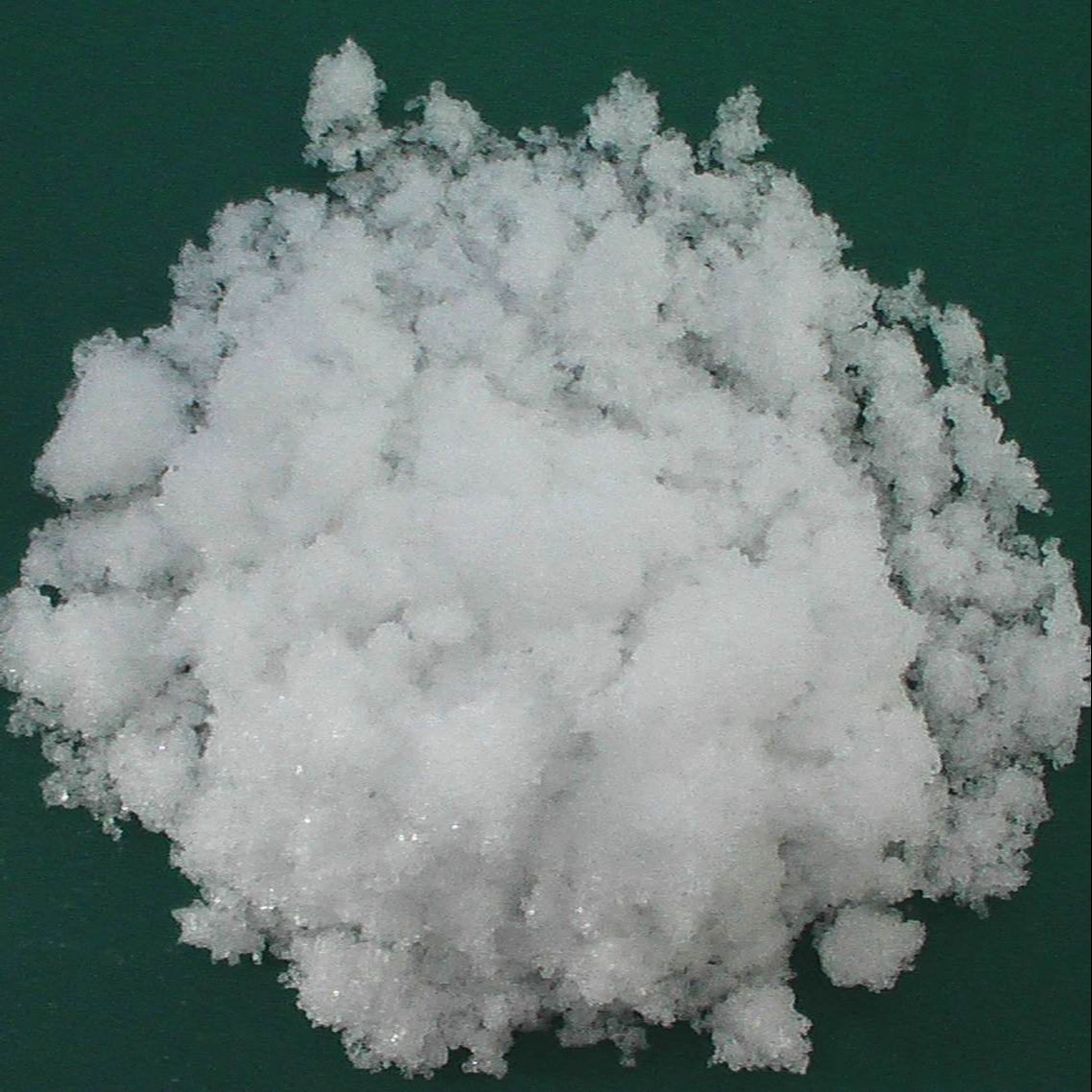
· sodium acetate
· sodium acetate anhydrous
· sodium acetate trihydrate
· sodium acetate buffer
· sodium acetate CAS 127-09-3
· sodium acetate E262
- Document storage conditions carefully; temperature fluctuations can affect buffer stability and protein integrity.
· sodium ethanoate
· sodium salt of acetic acid
· sodium acetic acid
· sodium CH3COO
· natrii acetas
· hot ice (trihydrate
sodium acetate hydrate