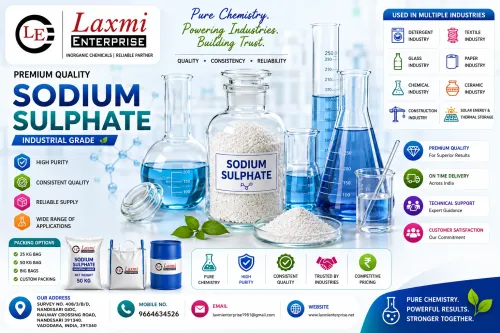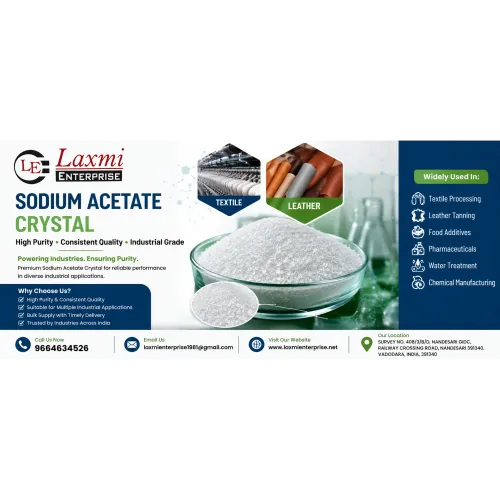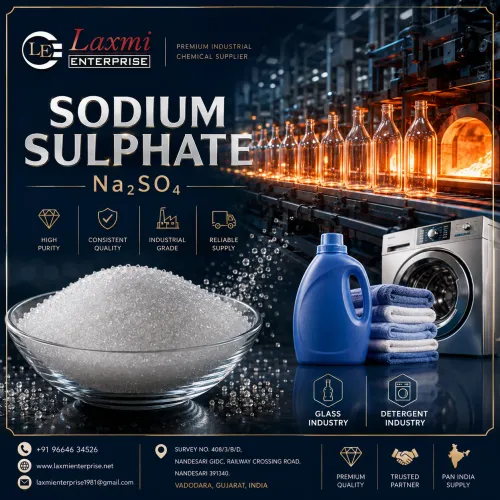
Sulfate-Rich Water Treated Biologically or Chemically Using Sodium Sulphate in Industrial Wastewater Systems
Industrial wastewater management has become one of the most critical environmental responsibilities for modern manufacturing industries. With rapid growth in sectors such as textile dyeing, detergent manufacturing, pulp and paper processing, glass production, mining, and chemical manufacturing, the generation of sulfate-rich wastewater has increased significantly across India and global industrial regions. Proper treatment of sulfate-rich water using biological and chemical treatment systems is essential for maintaining environmental compliance, improving water recycling efficiency, and reducing industrial pollution.
Sodium Sulphate (Na₂SO₄) is one of the most commonly found inorganic salts in industrial effluent streams. Industries in Gujarat, Maharashtra, Tamil Nadu, Rajasthan, Uttar Pradesh, Punjab, and West Bengal generate sulfate-containing wastewater during manufacturing operations, particularly in textile dyeing and detergent powder production. As environmental norms become stricter, industries are investing in advanced Effluent Treatment Plants (ETP), Sewage Treatment Plants (STP), and Zero Liquid Discharge (ZLD) systems to manage sulfate-rich wastewater effectively.
What is Sulfate-Rich Water?
Sulfate-rich water refers to industrial wastewater containing high concentrations of sulfate ions (SO₄²⁻). These sulfates may originate from:
Sodium Sulphate used in textile dyeing
Chemical manufacturing processes
Detergent powder production
Kraft paper pulping operations
Mining and mineral processing
Glass manufacturing industries
Excess sulfate concentration in untreated wastewater can negatively affect aquatic ecosystems, biological treatment systems, pipelines, and industrial reuse processes. Therefore, sulfate reduction and wastewater stabilization are important for industrial sustainability.
Biological Treatment of Sulfate-Rich Water
Biological sulfate treatment is an environmentally friendly process where sulfate-reducing bacteria (SRB) convert sulfate ions into sulfides under anaerobic conditions. This process is increasingly used in industrial wastewater treatment plants across India because of its lower operational cost and eco-friendly approach.
Biological Treatment Process
Collection of Sulfate Wastewater
Wastewater generated from textile dyeing, detergent manufacturing, and chemical industries is collected in equalization tanks.
Anaerobic Reactor Treatment
Sulfate-reducing bacteria utilize organic matter and reduce sulfate ions into sulfide compounds.
Sedimentation & Clarification
Suspended solids and biological sludge settle in clarification tanks.
Aeration & Secondary Treatment
Additional biological oxidation removes remaining contaminants.
Filtration & Water Recycling
Treated water may be reused in industrial operations or safely discharged.
Advantages of Biological Sulfate Treatment
Lower chemical consumption
Reduced sludge generation
Eco-friendly wastewater management
Suitable for large industrial ETP plants
Cost-effective for textile and detergent industries
Industries in Ahmedabad, Surat, Tiruppur, Vapi, Ankleshwar, Kanpur, Ludhiana, and Chennai commonly explore biological sulfate treatment systems to improve wastewater recycling and meet pollution control board norms.
Chemical Treatment of Sulfate-Rich Water
Chemical treatment methods are widely used when sulfate concentration is extremely high or rapid treatment is required. In this process, specific chemicals react with sulfate ions to form precipitates that can be removed from wastewater.
Chemical Sulfate Treatment Process
pH Adjustment
Industrial wastewater pH is adjusted using acids or alkalis.
Chemical Dosing
Coagulants, lime, barium salts, or precipitation chemicals are added.
Flocculation Process
Sulfate compounds form larger particles for easier removal.
Clarification & Sludge Separation
Chemical sludge is separated from treated water.
Filtration & Final Discharge
Water is filtered and reused or discharged according to environmental regulations.
Benefits of Chemical Sulfate Treatment
Fast treatment process
Effective for high sulfate concentration
Better control in industrial applications
Supports Zero Liquid Discharge systems
Useful in chemical manufacturing industries
Industrial Applications of Sulfate Treatment Systems
Textile Dyeing Industry
Textile dye houses use large quantities of Sodium Sulphate for reactive dyeing. Sulfate-rich wastewater treatment helps:
Improve dye bath recovery
Reduce water pollution
Enable water recycling
Maintain sustainable textile processing
Detergent Manufacturing Industry
Detergent powder manufacturers generate wastewater containing sulfate salts and surfactants. Proper sulfate management improves:
Effluent quality
Process stability
Compliance with environmental standards
Paper & Pulp Industry
Kraft paper mills and pulp industries use sulfur-based compounds during pulping operations. Sulfate treatment systems support:
Chemical recovery
Water reuse
Reduced environmental discharge
Chemical Manufacturing Industry
Industrial chemical plants in Gujarat, Maharashtra, and South India use sulfate treatment technologies for:
Process water stabilization
Salt recovery systems
Industrial wastewater management
Important SEO Keywords for Industrial Search Visibility
industrial Sodium Sulphate applications:
Sodium Sulphate wastewater treatment
Sulfate-rich water treatment process
Industrial Sodium Sulphate supplier India
Textile ETP sulfate treatment
Sodium Sulphate for detergent industry
Sulfate ion removal process
Biological sulfate treatment system
Chemical sulfate wastewater treatment
Industrial effluent treatment chemicals
Sodium Sulphate industrial applications
Sulfate-reducing bacteria wastewater
Industrial wastewater recycling India
Zero Liquid Discharge sulfate treatment
Textile wastewater chemical treatment
Industrial inorganic chemical supplier Gujarat
Sodium Sulphate bulk supplier India
ETP chemicals for textile industry
Sulfate removal in industrial wastewater

Vadodara
08048096415
+919664634526
 Chat with us
 Chat with us