


Acetate detection using suppressed conductivity (Ion Chromatography) Acetate (CH₃COO⁻) can be measured by anion IC with suppressed conductivity detection, but it behaves differently from strong inorganic anions. Because acetate becomes acetic acid after suppression, method sensitivity depends strongly on suppressor efficiency, eluent choice, and matrix load.
pKa ≈ 4.76
Only a small fraction ionized after suppression
Lower equivalent conductivity
Any incomplete suppression leaves OH⁻ in the eluent
Raises baseline and masks acetate first
High sulfate / high TDS samples
Suppressor overload reduces acetate response disproportionately
KOH or NaOH
Fully suppressed to water
Best signal-to-noise for acetate
1–5 mM KOH (isocratic) for low-level acetate
Gradient up to 20–40 mM for complex matrices
Residual carbonic acid conductivity
Higher background
Poor acetate sensitivity
Use high-efficiency anion-exchange columns
Adequate resolution from:
- Formate
- Fluoride
Guard column required to prevent fouling
FactorBest practiceTypeElectrolytic suppressorCapacitySized for sample TDSCurrentHigh enough for full suppressionHealthFresh, well-hydrated
Acetate can be reliably detected by suppressed conductivity IC, but because it forms a weak acid after suppression, it is highly sensitive to suppressor efficiency and matrix load. Maintaining excellent suppression is essential for sensitivity.
Use hydroxide eluent with electrolytic suppression
Minimize sulfate load (dilution, inline sulfate trap)
Keep injection volumes moderate
Degas and protect eluents from CO₂
Monitor suppressor current vs baseline
- Incomplete suppression
- Excess carbonate in eluent
- Suppressor regeneration issues
Suppressor overloaded or aged
Eluent concentration too high
Injection volume too large
Sample pH variability
CO₂ contamination in eluent
Temperature fluctuations
FactorBest practiceTypeElectrolytic suppressorCapacitySized for sample TDSCurrentHigh enough for full suppressionHealthFresh, well-hydrated
Acetate Buffer Stability Testing in Biopharma
Acetate buffers (acetic acid / sodium acetate) are widely used in biopharmaceutical formulations, especially for monoclonal antibodies (mAbs), proteins, and vaccines, typically in the pH range 4.5–5.5. Stability testing ensures that buffer composition and pH remain within specifications during storage and processing, which is critical for protein stability and efficacy.
Maintain pH: Prevent protein degradation or aggregation.
Maintain buffer capacity: Ensure adequate resistance to pH changes.
Check chemical stability: No degradation of acetate or formation of impurities.
Verify compatibility with excipients: Sugars, surfactants, salts.
Ensure microbial stability: Prevent pH drift from microbial growth
ParameterReasonpHDirect impact on protein stability and solubilityBuffer concentration (acetate + acetate ion)Determines buffering capacityIonic strength / conductivityImpacts osmolarity and electrostatic interactionsVisual inspectionDetects precipitation, turbidity, or color changeMicrobial contaminationCan degrade buffer and protein
Refrigerated (2–8 °C) – typical long-term storage
Room temperature (20–25 °C) – short-term use or handling
Accelerated (40–50 °C) – stress test for degradation prediction
Long-term: 6–24 months (depending on formulation)
Accelerated: 1–3 months
Optional for photolabile excipients
Acetate itself is stable to light
Calibrated glass electrode or ISFET probe
Temperature-controlled measurements
Frequent monitoring during accelerated and long-term studies
Acid–base titration: Determines total acetate
Ion chromatography (IC): Measures acetate anion precisely
Conductivity correlation: Quick assessment in process monitoring
Monitor chloride, sulfate, or heavy metals that may arise from reagents or container leachables
IC or ICP-OES is used for quantification
StressPurposepH cyclingTests buffer capacity and protein protectionTemperature rampEvaluates chemical stability and microbial growthFreeze–thawChecks impact on pH and ionic strengthLight exposureDetects photodegradation if any excipients are present
pH drift: ±0.1–0.2 units from initial value
Total acetate concentration: ±5% of target
Visual clarity: No precipitation, turbidity, or color change
Conductivity: Within expected range for ionic strength
Microbial count: Meets sterility or microbial limits
Use high-purity reagents (compendial or biopharma grade).
Prepare buffers with low ionic strength unless excipients require otherwise.
Store in airtight, chemically inert containers to prevent CO₂ absorption or leachables.
Monitor both pH and acetate concentration—pH alone may not reflect buffer capacity loss.
Acetate buffer stability testing in biopharma ensures the chemical environment for therapeutic proteins remains optimal. Regular monitoring of pH, concentration, conductivity, and impurities under controlled conditions is essential for formulation robustness, regulatory compliance, and product safety.
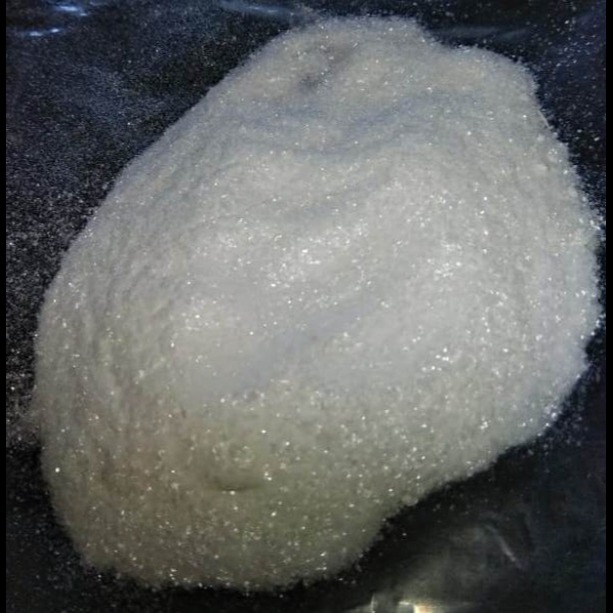
· sodium acetate
· sodium acetate anhydrous
· sodium acetate trihydrate
· sodium acetate buffer
· sodium acetate CAS 127-09-3
· sodium acetate E262
· sodium ethanoate
· sodium salt of acetic acid
· sodium acetic acid
· sodium CH3COO
· natrii acetas
· hot ice (trihydrate)
· sodium acetate hydrate