

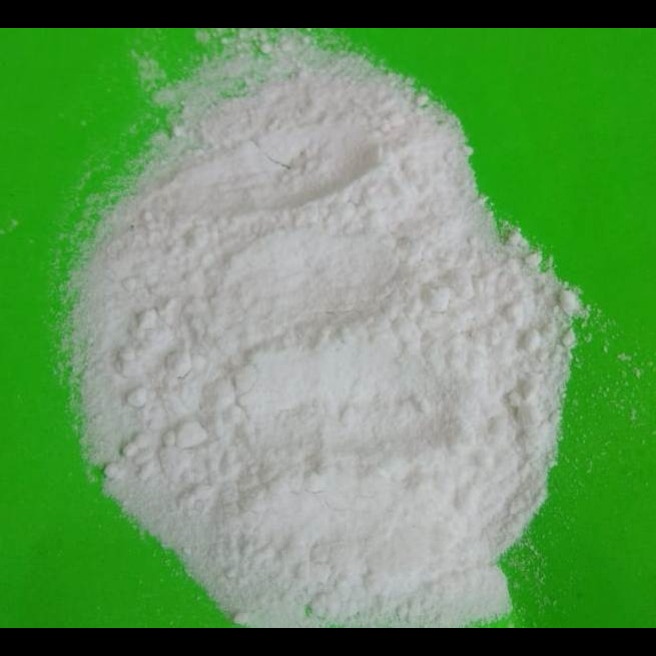
Acceptable Uses in Food Processing
Food-grade sodium sulphate is used as a processing aid in several areas:
A. Carrier or Diluent
Helps disperse and standardize concentrations of food additives, enzymes, colorants, or stabilizers.
Provides uniform flow and prevents clumping of powders.
B. Desiccant / Drying Aid
Used in processes where moisture control is required.
Supports drying or refining stages during ingredient manufacturing.
C. Purification / Refining Processes
Used in certain food ingredient purification steps (e.g., separation, crystallization).
D. Auxiliary Agent in Equipment Operations
May be used in filtration, washing, or separation steps where the material is later removed.
Regulatory Status (Global Overview)
A. Codex Alimentarius
Recognizes sodium sulphate (E514) as acceptable when used as a processing aid following GMP and purity standards.
B. European Union (EU Regulation 1333/2008)
Listed as E514 (Sodium Sulphates).
Permitted as a processing aid and as an additive in certain applications.
Must meet EU purity criteria for food-grade materials.
C. FCC (Food Chemicals Codex)
Provides specifications for food-grade sodium sulphate, stating it may be used as a processing aid when it conforms to FCC purity standards.
D. India — FSSAI
Permitted as a food-grade ingredient under “processing aids” when meeting applicable purity and safety parameters.
Food processors must ensure compliance with GMP and residue limits.
E. US FDA
Generally Recognized As Safe (GRAS) when used according to GMP.
Acceptable for use as a processing aid in ingredient manufacturing and limited refining steps.
Safety Considerations
Food-grade sodium sulphate is considered non-toxic at normal processing levels.
Key safety points:
Low acute toxicity
Not allergenic
Non-reactive and stable
Ingestion in excessive amounts may have laxative effects, but such amounts are not present in food after correct use
Must meet strict heavy metal, contaminant, and microbiological limits for food use
Purity Requirements (Typical Food-Grade Specs)
To qualify as a food processing aid, the material should conform to:
Purity (Na₂SO₄): ≥ 99%
Heavy metals: Within ppm–ppb limits (per FCC/EU/FSSAI)
Insoluble matter: ≤ 0.05%
Loss on drying: ≤ 1%
Microbiological quality: Pathogen-free
Batch CoA and traceability are mandatory.
GMP Requirements for Processors
When used as a food processing aid:
Use only food-grade certified sodium sulphate.
Maintain clean, segregated storage areas.
Ensure residual levels in final food are negligible.
Keep records of CoA, batch numbers, and usage logs.
Prevent cross-contamination with industrial grades.
A Food-Grade Sodium Sulphate Specification Sheet
Regulatory compliance declaration (FCC / EU / FSSAI)
A one-page customer document for Laxmi Enterprise
Just tell me the format you need!
Safety Considerations
Food-grade sodium sulphate is considered non-toxic at normal processing levels.
Key safety points:
Low acute toxicity
Not allergenic
Good — here’s a compact, practical, and compliance-focused brief that covers (A) regulatory compliance for food-grade sodium sulphate and (B) its toxicity & health effects. I can convert this into an SDS Section 15, a one-page compliance declaration, or a printable spec/CoA template if you want — tell me which.
Important: I can’t run a live regulatory search right now (web lookup is disabled), so the text below is a best-effort summary based on widely accepted global practice and standards known up to mid-2024. Always confirm exact numeric limits and local wording against current national/EU/FDA/FSSAI/FCC texts before publishing.
Regulatory status (general)
Codex / EU / FCC / Many jurisdictions: Sodium sulphate (often listed as E514 or “sodium sulphates”) is accepted as a processing aid when supplied to food industry purity standards.
US FDA: Generally permitted as a processing aid/GRAS when used according to GMP (check specific use cases).
India (FSSAI): Permitted as a processing aid when meeting food-grade purity and GMP requirements (confirm current FSSAI notifications for exact clauses).
Note: Regulatory language, permitted uses, and purity columns differ by jurisdiction — always verify local regulation text.
Non-reactive and stable
Ingestion in excessive amounts may have laxative effects, but such amounts are not present in food after correct use
Must meet strict heavy metal, contaminant, and microbiological limits for food use
Core compliance requirements suppliers must maintain
Food-grade purity & specs
Typical specification targets: ≥99% Na₂SO₄; low moisture (<1%); insolubles very low (<0.05%); heavy metals and As/Cd/Hg within food regulatory limits.
Certificates & documentation
Certificate of Analysis (CoA) per batch (showing assay, moisture, insolubles, heavy metals, microbiological results).
Declaration of Food-Grade Status (FCC / EU / supplier statement).
Traceability (lot/batch numbers, production date, supplier details).
GMP & segregation
Maintain physical segregation from industrial grades (separate SKUs, storage, labeling, and handling procedures).
Document cleaning, staff training, and cross-contamination controls.
SDS and Labeling
Provide an SDS even if non-hazardous; include handling, storage, transport, and emergency info.
Label shipments with “FOOD-GRADE / FOR FOOD PROCESSING ONLY”, net weight, lot, and reference CoA.
Shipping & transport
Sodium sulphate is typically not a dangerous good (check current ADR/IMDG/IATA lists). Use food-grade packaging (food-contact approved sacks/drums) and good housekeeping to prevent contamination.
Testing & retention
Keep sample retention (e.g., 1 year or per customer requirement) and make test reports available on request.
Claims & final product
If used as a processing aid, it typically does not need to be declared on the finished food label provided residuals are negligible — verify local labeling rules.
TOXICITY & HEALTH EFFECTS — FOOD-GRADE SODIUM SULPHATE
General toxicological profile
Low acute toxicity at levels relevant to food processing or incidental exposure. It is an inorganic salt that does not bioaccumulate.
Not classified as carcinogenic, mutagenic, or reproductive toxicant under typical regulatory lists (confirm for jurisdictional updates).
Routes of exposure & likely effects
Oral (ingestion):
At small, incidental levels present after correct use as a processing aid → no adverse health effects expected.
Large oral doses can act as an osmotic laxative and cause diarrhea, abdominal cramps, fluid loss, and electrolyte imbalance. Vulnerable populations (infants, elderly, renal patients, hypertensive persons — due to sodium load) should be considered in risk assessments.
Inhalation (dust):
Main occupational hazard is nuisance dust. High dust exposure may irritate the respiratory tract and aggravate pre-existing lung conditions. Use dust controls and PPE.
Skin contact:
Generally non-irritant for brief contact; prolonged contact with high concentrations of dry powder may cause mild dryness or irritation. Use gloves for extended handling.
Eye contact:
Powder can cause mechanical irritation; flush with water if contact occurs.
Chronic exposure:
No specific chronic toxic effects established for sodium sulphate at occupational/food levels. Monitor dust exposure per workplace limits.
Special population considerations
Sodium contribution: Because it contains sodium, very large inadvertent ingestion could add to dietary sodium—relevant for individuals on sodium-restricted diets. Processing controls should ensure minimal carry-over into the finished food.
Renal impairment / cardiac patients: Avoid exposure scenarios that might lead to clinically significant sodium intake.
Occupational exposure limits & controls (practical)
Dust limits: Treat as nuisance dust under local OELs (for example, many jurisdictions reference 15 mg/m³ total dust and 5 mg/m³ respirable fraction as common PELs — confirm local standards).
Controls: Use local exhaust ventilation, enclosed handling, good housekeeping (vacuum, not dry sweeping), and PPE (dust masks/respirators, goggles, gloves).
Hygiene: No eating/drinking in handling areas, wash hands after contact.
First aid & emergency
Eye contact: Rinse with water for 15 minutes; seek medical attention if irritation persists.
Skin: Wash with soap & water.
Inhalation: Move to fresh air; if symptoms persist, seek medical care.
Ingestion: For small accidental ingestion, supportive care; for large ingestions, seek medical attention — do not induce vomiting without medical advice.
Environmental note
Considered non-hazardous to the environment at typical release levels; avoid large uncontrolled discharges that could affect local salinity or aquatic oxygen balance.
PRACTICAL SUPPLIER COMPLIANCE LANGUAGE (sample — editable)
“We hereby declare that the supplied material — Sodium Sulphate, Food Grade (Na₂SO₄) — conforms to Food Chemicals Codex / [EU Regulation / FSSAI / FDA] food-grade requirements and is manufactured, sampled, and tested in accordance with Good Manufacturing Practice (GMP). A batch Certificate of Analysis (CoA) providing assay, moisture, insoluble matter, heavy metals and microbiological results is supplied with each shipment. The product is intended for use as a processing aid and is not intended to be an ingredient in finished food except as technologically unavoidable residues.”
(Adapt the bracketed regulatory references to the specific market.)
If you want next steps, I can immediately (choose one):
Draft a Food-Grade Sodium Sulphate Compliance Declaration (customer-ready).
Produce an SDS Section 15 (Regulatory Information) entry tailored for EU / US / India (pick jurisdiction).
Create a CoA template listing the exact tests and typical acceptance ranges.
Tell me which and which jurisdiction (EU / US / India / global) and I’ll produce it right away.