

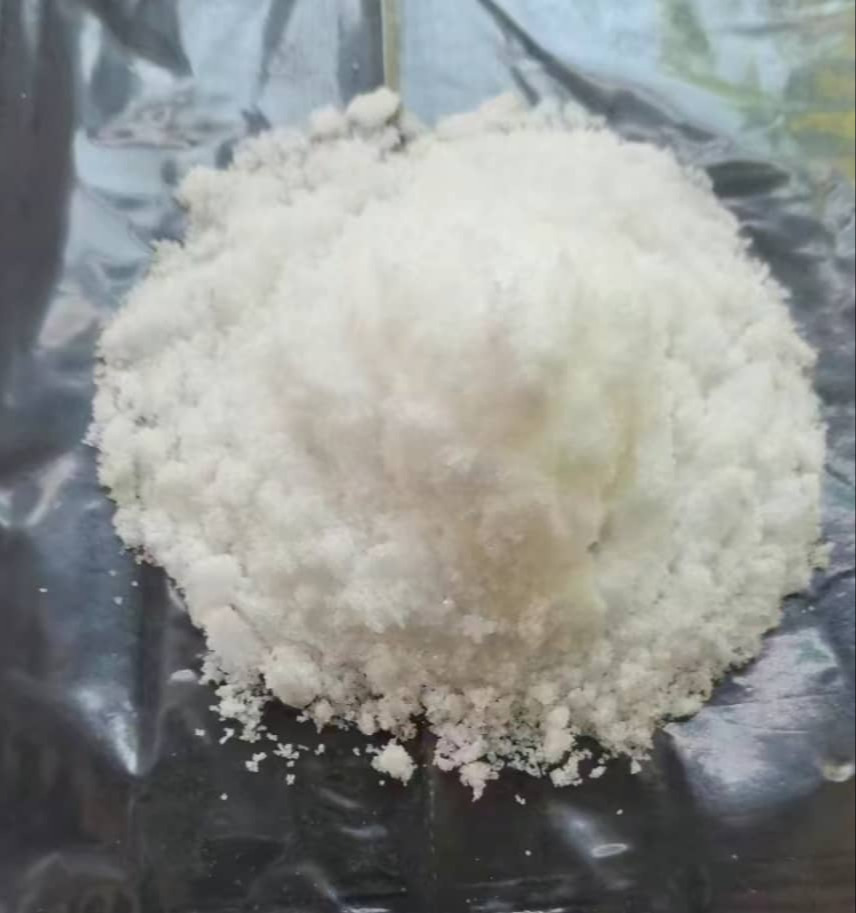
FUNGICIDES USED IN LEATHER INDUSTRY
🔹 Why Fungicides Are Needed?
Leather is protein-based (collagen). During soaking, pickling, wet-blue storage, crust storage, and shipment, it is highly vulnerable to:
Mold growth
Fungal stains
Odour formation
Grain damage
Export rejection
Humidity in regions like Kanpur increases fungal risk, especially during monsoon.
sodium sulphate manufacturer for soap manufacturing textile grade in gujarat
sodium sulphate manufacturer for soap manufacturing textile grade in vadodara
sodium sulphate manufacturer for soap manufacturing textile grade in ahmedabad
sodium sulphate manufacturer for soap manufacturing textile grade in surat
sodium sulphate manufacturer for soap manufacturing textile grade in mumbai
sodium sulphate manufacturer for soap manufacturing textile grade in pune
sodium sulphate manufacturer for soap manufacturing textile grade in delhi
🔹 Major Types of Fungicides Used in Leather
1️⃣ Chlorinated Phenols (Older Technology – Now Restricted)
Example: Pentachlorophenol (PCP)
Strong antifungal action
Now banned/restricted due to toxicity
Not preferred for export leather
2️⃣ Isothiazolinone Based Fungicides (Most Common Modern Type)
Examples:
OIT (Octylisothiazolinone)
DCOIT
BIT (Benzisothiazolinone)
Applications:
Wet-blue preservation
Pickling stage
Fatliquor preservation
Finishing formulations
Advantages:
✔ Broad spectrum
✔ Effective in low dosage
✔ Good compatibility
3️⃣ Carbamate Based Fungicides
Example:
IPBC (Iodopropynyl Butyl Carbamate)
Applications:
Finishing stage
Top coats
Water-based finishes
Used in:
Shoe upper leather
Upholstery leather
Garment leather
4️⃣ Thiocarbamates & Zinc Compounds
Examples:
Zinc Omadine
Zinc Pyrithione
Use:
Anti-mold treatment
Surface coating protection
5️⃣ Organic Preservative Blends
Modern leather chemicals now use:
Multi-component blends
Low formaldehyde systems
Eco-compliant systems for export
Especially demanded by export-oriented tanneries.
🔹 Application Stages of Fungicides
Stage Purpose
Soaking Prevent bacterial growth
Pickling Protect from mold during storage
Wet Blue Long-term storage protection
Crust Anti-mildew during shipment
Finishing Surface fungal resistance
🟡 2️⃣ ANTIOXIDANTS USED IN LEATHER INDUSTRY
🔹 Why Antioxidants Are Required?
Leather contains fats and oils (from fatliquors). Over time:
Oxidation causes yellowing
Surface cracking
Rancidity smell
Reduced durability
Antioxidants prevent degradation of oils inside leather.
🔹 Types of Antioxidants Used in Leather
1️⃣ Phenolic Antioxidants
Examples:
BHT (Butylated Hydroxytoluene)
Hindered phenols
Use:
Added in fatliquors
Improve aging resistance
Prevent discoloration
2️⃣ Aminic Antioxidants
Examples:
Diphenylamine derivatives
Used in:
Industrial leather
Heavy-duty leather
Shoe sole leather
3️⃣ Phosphite / Phosphonite Antioxidants
Function:
Secondary antioxidants
Decompose peroxides
Stabilize fat emulsions
Often used in combination systems.
4️⃣ Natural Antioxidants (Growing Trend)
Examples:
Tocopherol (Vitamin E derivatives)
Plant extract based stabilizers
Used in eco-friendly leather production.
🔵 Difference Between Fungicides & Antioxidants
Parameter Fungicides Antioxidants
Function Stop fungal growth Prevent chemical oxidation
Stage Beamhouse, Wet Blue, Finishing Fatliquoring stage
Problem Solved Mold, black spots Yellowing, cracking
Demand High in humid regions High in export leather
sodium sulphate manufacturer for soap manufacturing textile grade in jaipur
sodium sulphate manufacturer for soap manufacturing textile grade in chennai
sodium sulphate manufacturer for soap manufacturing textile grade in kolkata
sodium sulphate manufacturer for soap manufacturing textile grade in hyderabad
sodium sulphate manufacturer for soap manufacturing textile grade in kanpur
sodium sulphate manufacturer for soap manufacturing textile grade in indore
sodium sulphate manufacturer for soap manufacturing textile grade in nagpur
sodium sulphate manufacturer for dyeing units textile grade in india