


Glauber’s Salt as Filler in Different Industries
Glauber’s salt, the decahydrate form of sodium sulphate (Na2SO4·10H2O), has been used extensively as a filler across various industries due to its unique properties. Its affordability, water-retaining capacity, and non-toxic nature make Glauber’s salt a versatile choice in numerous applications. This article explores the role of Glauber’s salt as a filler in different industries, highlighting its applications and advantages.
Properties of Glauber’s Salt
Glauber’s salt, named after Johann Rudolf Glauber who discovered it in 1625, is a crystalline compound with significant water content. Its properties include:
Chemical Formula: Na2SO4·10H2O
Molecular Weight: 322.20 g/mol
Solubility: Highly soluble in water
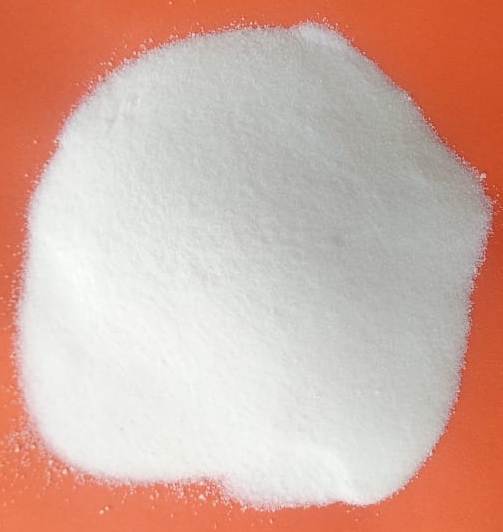
Appearance: Transparent, colorless crystals
Water Content: Contains 10 water molecules per sodium sulphate molecule, making it ideal for applications requiring moisture retention.
These properties make Glauber’s salt a preferred filler in industries ranging from construction to textiles.
Applications of Glauber’s Salt as Filler
1. Detergent Industry
Glauber’s salt is widely used as a filler in powdered detergents. Its high solubility and ability to improve flow properties make it an ideal bulking agent. Glauber’s salt reduces the active detergent concentration, making products more economical without compromising cleaning performance.
2. Textile Industry
In the textile sector, Glauber’s salt serves as a leveling agent during dyeing and printing processes. Its role as a filler ensures even dye distribution, resulting in vibrant and uniform coloration. Glauber’s salt also enhances the fixation of dyes on fabrics, particularly cotton.
3. Construction Materials
Glauber’s salt is used as a filler in construction materials like gypsum boards and plasters. Its water-retaining capacity helps regulate the setting time of construction materials, ensuring durability and workability. Glauber’s salt also improves the texture and consistency of finished products.
4. Paper and Pulp Industry
In the paper and pulp industry, Glauber’s salt plays a crucial role as a makeup chemical in the kraft process. It aids in recovering sodium hydroxide and sodium sulphide, making it an essential component in sustainable paper manufacturing. Its use as a filler enhances paper quality and reduces production costs.
5. Pharmaceuticals
Glauber’s salt has applications in the pharmaceutical industry, particularly in the formulation of laxatives and saline purgatives. Its hygroscopic nature also makes it a useful filler in tablets and capsules, ensuring consistent moisture content and stability.
6. Agriculture
In agriculture, Glauber’s salt is used as a filler in fertilizers and soil conditioners. Its ability to retain moisture helps improve soil quality, ensuring better nutrient absorption and plant growth. Glauber’s salt’s affordability makes it a cost-effective option for large-scale agricultural applications.
7. Food Industry
Although less common, Glauber’s salt is occasionally used in the food industry as an additive. It acts as a stabilizer and filler in certain food products, enhancing texture and shelf life. However, its use in food is limited due to regulatory considerations.
Advantages of Glauber’s Salt as Filler
Cost-Effective: Glauber’s salt is an economical filler, reducing production costs in various industries.
Non-Toxic: Its non-toxic nature makes it safe for use in consumer products and industrial applications.
Water Retention: The high water content of Glauber’s salt makes it ideal for applications requiring moisture regulation.
Versatility: Glauber’s salt’s compatibility with various materials ensures its widespread use in different industries.
Eco-Friendly: Glauber’s salt is biodegradable and has minimal environmental impact when used responsibly.
Challenges and Considerations
Despite its advantages, Glauber’s salt faces certain challenges:
Competition from Alternatives: Materials like zeolites and synthetic fillers often compete with Glauber’s salt in certain applications.
Moisture Sensitivity: Glauber’s salt’s hygroscopic nature can be a disadvantage in environments where excessive moisture is undesirable.
Storage Requirements: Proper storage conditions are necessary to prevent Glauber’s salt from caking or losing its crystalline structure.
Future Prospects
The use of Glauber’s salt as filler is expected to grow as industries seek sustainable and cost-effective solutions. Research into new applications, such as renewable energy storage and eco-friendly construction materials, may unlock additional uses for Glauber’s salt.
Conclusion
Glauber’s salt as filler continues to play a vital role in industries ranging from detergents to construction. Its affordability, versatility, and unique properties ensure its relevance in modern manufacturing and industrial processes. As industries evolve, the demand for Glauber’s salt is likely to increase, driven by its adaptability and potential for innovation. Glauber’s salt remains an indispensable resource, meeting the diverse needs of industrial and consumer applications while paving the way for a sustainable future.