


. Purpose in Electroplating Baths
pH Stabilization (Buffering):
Electroplating baths often require precise pH to ensure uniform metal deposition.
Sodium acetate acts as a buffer by reacting with acids or bases formed during electroplating, maintaining stable pH levels.
Bath Stabilization:
It prevents sudden changes in bath composition caused by impurities or decomposition products.
This ensures consistent plating quality and prevents issues like rough deposits or burning.
Metal Complex Formation:
Sodium acetate can form weak complexes with metal ions (like nickel, copper, or zinc), improving metal ion availability in solution and enhancing smooth, uniform plating.
Corrosion Inhibition:
It can reduce oxidation of sensitive metals in the bath, extending bath life.
2. Common Applications
Copper Plating Baths: Improves brightness and uniformity.
Nickel Plating Baths: Enhances throwing power and prevents pitting.
Zinc or Tin Plating Baths: Maintains bath stability and prevents rapid decomposition.
3. Typical Usage Guidelines
Parameter Typical Range
Concentration 1–10 g/L (depends on bath type)
pH Range 4.0–6.0 (adjust as needed)
Form Used Anhydrous or Trihydrate
Addition Method Dissolved in plating solution; added gradually
Note: Excess sodium acetate can increase conductivity too much, possibly leading to burning or rough deposits. Bath optimization is recommended.
4. Advantages
Cost-effective and easy to handle
Non-toxic and environmentally safer compared to some synthetic stabilizers
Improves deposit quality and consistency
Extends the lifespan of plating baths
Role of Sodium Acetate in Metal Deposition
Sodium acetate (CH₃COONa) is primarily used as a buffer and stabilizer in electroplating baths. Its presence influences several aspects of metal deposition:
pH Stabilization:
Consistent pH ensures uniform ion reduction at the cathode.
Prevents local acidity or alkalinity, which can cause pitting, burning, or rough deposits.
Metal Ion Availability:
Sodium acetate can form weak complexes with metal ions (e.g., Ni²⁺, Cu²⁺, Zn²⁺), stabilizing them in solution.
This improves ion distribution, ensuring even deposition and preventing uneven thickness.
Grain Refinement:
Acts as a grain-refining aid.
Smaller, uniform grains lead to smoother, shinier, and denser metal layers.
Reduces micro-cracks and defects in the plated layer.
Bath Stability:
Minimizes decomposition or precipitation of plating salts.
Consistent chemistry leads to reproducible plating quality.
2. Effects on Metal Deposition Quality
Property Impact of Sodium Acetate
Brightness / Gloss Increases uniform brightness and reflective finish
Smoothness Reduces roughness and nodules
Thickness Uniformity Promotes even deposition across complex parts
Adhesion Improves bonding to substrate when bath is stable
Corrosion Resistance Indirectly improves via denser and defect-free layers
Throwing Power Slightly enhanced, allowing better coverage on recesses
3. Typical Bath Considerations
Concentration: 1–10 g/L depending on bath type and metal.
Form: Anhydrous or trihydrate; dissolve completely before plating.
Compatibility: Works well in copper, nickel, and zinc baths; may require pH adjustment with acids or bases.
Excess Use: Too much can increase conductivity and cause burning or rough deposits.
Summary:
Sodium acetate improves metal deposition quality by stabilizing bath pH, refining grains, and maintaining uniform metal ion concentration. It is especially valuable in high-quality decorative plating and industrial applications requiring uniform, defect-free coatings.
If you want, I can make a visual chart showing how sodium acetate concentration affects plating quality for copper, nickel, and zinc baths.
Role of Sodium Acetate in Metal Treatment
Sodium acetate (CH₃COONa) is widely used in various metal processing and surface treatment operations. Its primary functions include:
Electroplating Bath Stabilizer
Maintains pH and bath chemistry during metal deposition.
Ensures uniform plating of metals like copper, nickel, zinc, or tin.
Corrosion Inhibition
Forms a weak protective layer on metal surfaces.
Helps prevent oxidation or rusting during storage or pre-treatment.
Surface Activation / Cleaning
Assists in removing oxides or residues before plating or coating.
Works as part of metal pre-treatment solutions, improving adhesion of coatings.
Buffering Agent in Metal Etching or Pickling
Maintains solution pH in mild etching baths.
Reduces aggressive attack on metal surfaces, producing uniform etching.
Grain Refinement in Metal Coatings
When used in plating baths, improves crystal structure.
Results in smoother, denser, and shinier metal surfaces.
Advantages in Metal Treatment
Cost-effective and easy to handle
Non-toxic and environmentally safer compared to strong acids or complexing agents
Enhances adhesion, brightness, and uniformity of coatings
Extends life of electroplating or treatment baths
Role of Sodium Acetate in Metal Finishing
Sodium acetate (CH₃COONa) is widely used in metal finishing and surface treatment for its stabilizing, buffering, and deposition-enhancing properties. Its key roles include:
Electroplating Bath Stabilizer
Maintains pH and ionic balance in plating solutions.
Prevents bath decomposition, ensuring uniform metal deposition.
Buffering Agent
Controls pH fluctuations during electroplating, anodizing, or electroless plating.
Reduces risk of defects like burning, roughness, or pitting on the metal surface.
Grain Refiner & Brightener
Promotes fine-grained, smooth, and shiny deposits.
Enhances the aesthetic quality of plated metals.
Corrosion Prevention During Treatment
Acts as a mild corrosion inhibitor, protecting metals during pre-treatment or intermediate storage.
Surface Activation & Cleaning
Helps remove oxides, grease, or contaminants before coating or plating.
Improves adhesion of coatings or metal layers.
Advantages in Metal Finishing
Cost-effective, non-toxic, and easy to handle
Enhances surface smoothness, brightness, and uniformity
Reduces bath maintenance and prolongs life of plating solutions
Compatible with a wide range of metals and finishing processes
What is a pH Buffer Solution?
A buffer solution resists changes in pH when small amounts of acid or base are added.
Sodium acetate is commonly used to make acetate buffer solutions, which are effective in the acidic to near-neutral pH range (approximately pH 4–6).
2. Sodium Acetate as a Buffer
Chemical Formula: CH₃COONa
Mechanism:
Sodium acetate is the salt of a weak acid (acetic acid) and a strong base (sodium hydroxide).
In solution, it reacts with added H⁺ or OH⁻ ions to maintain stable pH:
Sodium acetate (IUPAC: sodium ethanoate) is the sodium salt of acetic acid used across food, pharmaceutical, textile, and industrial applications. It is sold as anhydrous and trihydrate forms.
Key identifiers:
• CAS (anhydrous): 127-09-3
• CAS (trihydrate): 6131-90-4
• E number: E262 (food additive)
• EC number (anhydrous): 204-823-8
Properties (selected)
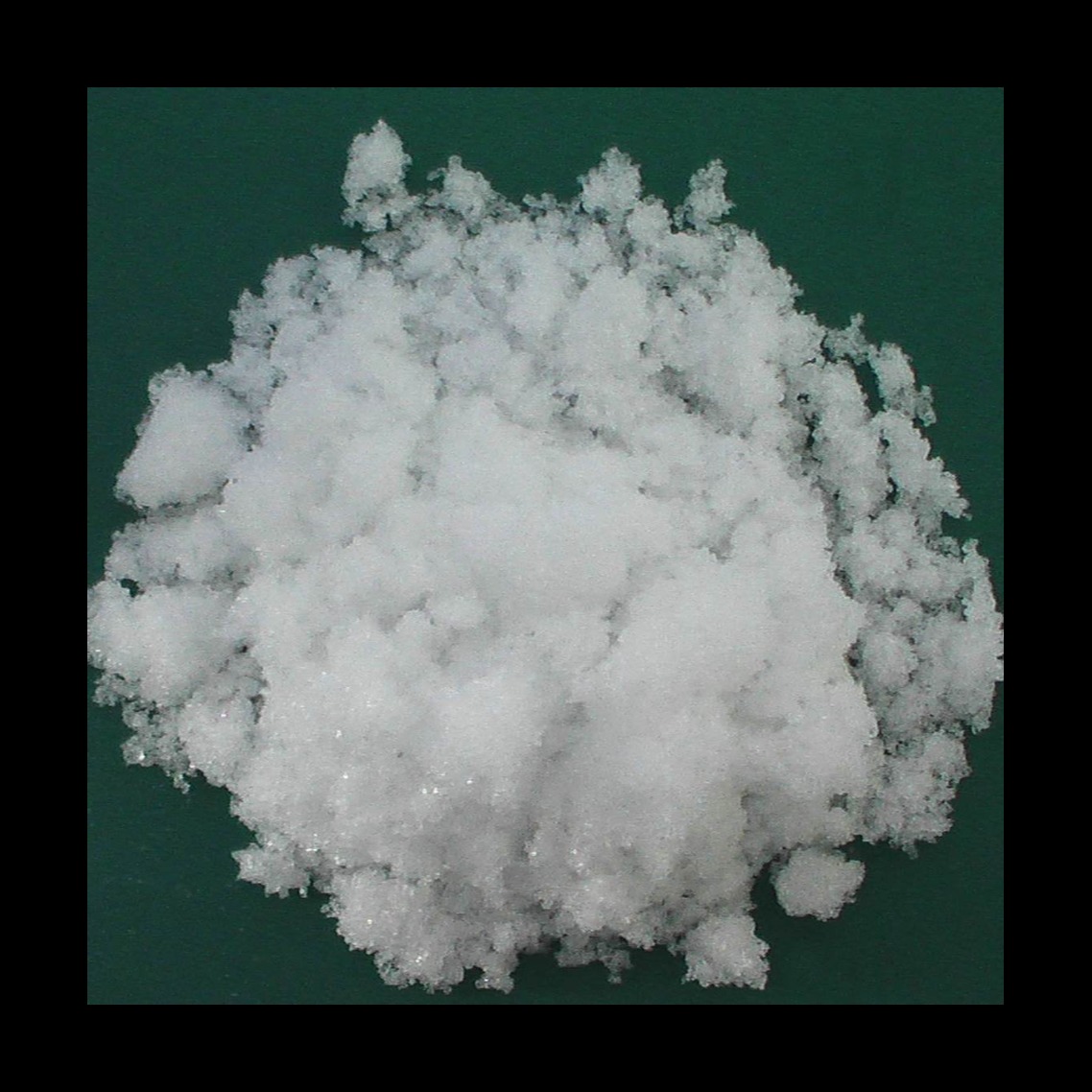
Physical appearance: white deliquescent powder or crystals; anhydrous melting point ~324°C; trihydrate melting/phase change ~58°C; readily soluble in water; vinegar-like odor when heated to decomposition.
Common Applications
• Food industry: acidulant, preservative, flavoring (E262)
• Pharmaceuticals: buffer component, dialysis solutions, excipient
• Textile & dyeing: mordant/auxiliary
• Industrial chemistry: reagent/intermediate; pH control
• Environmental: carbon source for sewage treatment
• Heating pads: sodium acetate trihydrate phase-change heat packs
Grades & Forms
• Food grade (FCC)
• Pharma/lab grade
• Industrial grade
• Forms: anhydrous; trihydrate
Storage & Handling (summary)
Moisture sensitive and hygroscopic; store sealed in a dry environment; avoid contact with strong acids/alkalis; consult SDS and local regulations.
When acid (H⁺) is added, CH₃COO⁻ reacts to form CH₃COOH.
When base (OH⁻) is added, CH₃COOH reacts to neutralize OH⁻ forming CH₃COO⁻ and H₂O.
3. Preparation of Sodium Acetate Buffer Solution
Materials:
Sodium acetate (CH₃COONa)
Acetic acid (CH₃COOH)
Distilled water
Step-by-step:
Dissolve sodium acetate in distilled water.
Add acetic acid slowly while monitoring pH.
Adjust until desired pH (usually 4–6) is reached.
Make up the final volume with distilled water.
Example:
For pH 5.0 buffer, mix sodium acetate and acetic acid in a molar ratio of about 3:1 (Na⁺ : CH₃COOH), then adjust with water.
4. Applications of Sodium Acetate Buffer
Biochemical and molecular biology experiments: Maintaining pH in enzyme reactions, nucleic acid purification.
Electroplating baths: Stabilizes bath pH to ensure consistent metal deposition.
Metal surface treatment: Maintains controlled pH during cleaning or etching.
Food industry: Used in lab testing or process control where mild buffering is needed.
5. Advantages
Simple and inexpensive to prepare
Non-toxic and environmentally safer
Effective in acidic to near-neutral pH range
Compatible with many chemical and biological systems