
MAGNESIUM SULFATE HEPTAHYDRATE – PROPERTIES & OVERVIEW
Chemical Identity
Property Description
Chemical Name Magnesium Sulfate Heptahydrate
Common Name Epsom Salt
Chemical Formula MgSO₄·7H₂O
Molecular Weight 246.47 g/mol
CAS Number 10034-99-8
EC Number 231-298-2
HSN Code (India) 2833 21 00
Physical & Chemical Properties
Property Description
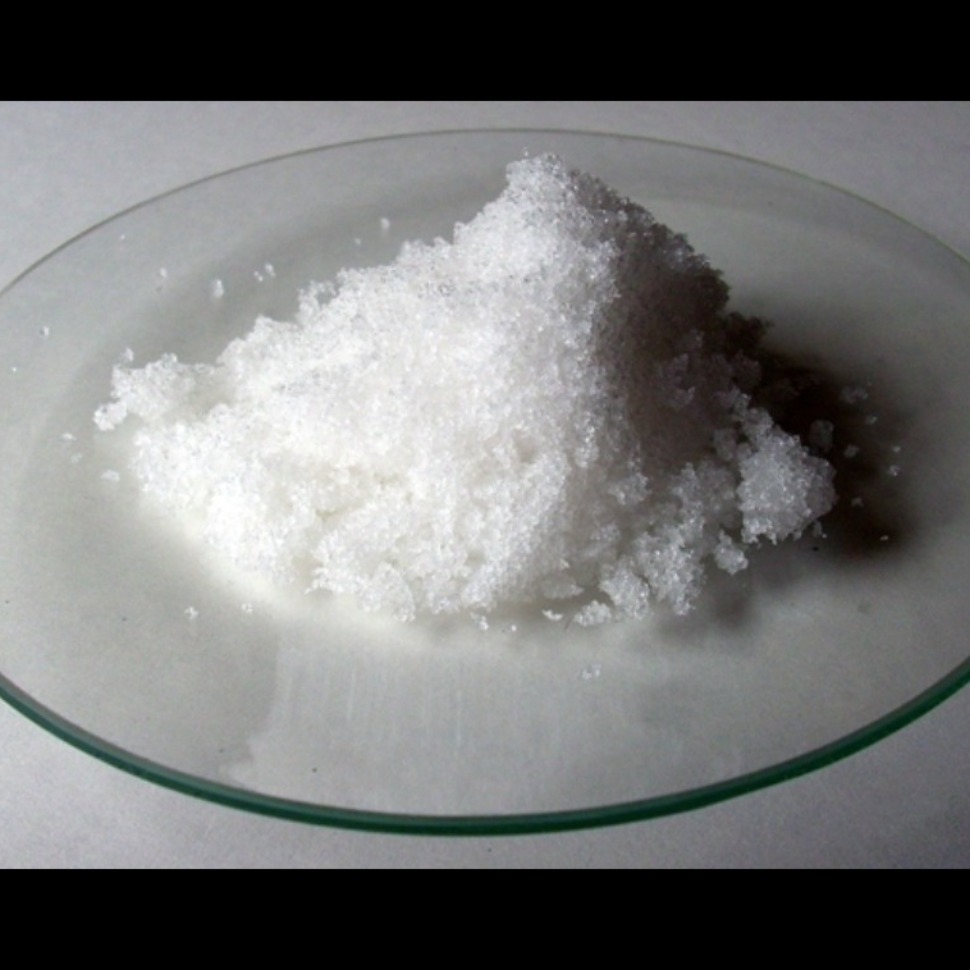
Appearance Colourless or white crystalline solid
Odor Odorless
Taste Saline, bitter
Solubility Soluble in water (25°C: ~71 g/L)
pH (5% solution) 5.0 – 8.0
Melting Point 150°C (decomposes to anhydrous MgSO₄)
Density 1.68 g/cm³ (at 20°C)
Boiling Point Decomposes before boiling
Refractive Index 1.433 (crystals)
Crystal Structure Monoclinic
Key Chemical Characteristics
A stable, non-toxic, non-combustible salt.
Loses water molecules upon heating, forming lower hydrates or anhydrous magnesium sulfate.
Acts as a source of magnesium (Mg²⁺) and sulfate (SO₄²⁻) ions.
Hygroscopic in nature — can absorb moisture from air.
Major Industrial Applications
Industry Application
Agriculture Used as a magnesium fertilizer to correct Mg deficiency in soil and plants; suitable for foliar sprays and fertigation.
Pharmaceuticals Used as a laxative, electrolyte replenisher, and saline cathartic. Also used in formulations of bath salts and skin-care products.
Textiles & Dyeing Acts as a mordant in dyeing and printing of textiles; improves dye uptake and color fastness.
Tanning & Leather Used in chrome tanning and as a deliming agent.
Paper & Pulp Acts as a stabilizer and filler.
Chemical Manufacturing Used in synthesis of other magnesium salts and in laboratory reagents.
Cement & Construction Used in magnesium oxychloride cement (Sorel cement) formulations.
Food Industry Food-grade MgSO₄·7H₂O (E518) used as a nutrient supplement and firming agent.
Water Treatment Used to adjust hardness and as a coagulant aid.
Storage & Handling
Storage: Store in a cool, dry, well-ventilated area away from moisture.
Containers: HDPE or laminated PP bags (25 kg / 50 kg).
Shelf Life: Stable under normal storage conditions; hygroscopic — reseal after use.
Safety: Non-flammable and non-toxic; handle to avoid dust generation.
Safety Information
Parameter Description
Hazard Class Not classified as hazardous
Toxicity Low (excess ingestion may cause gastrointestinal irritation)
Decomposition Products Sulfur oxides and magnesium oxides (on strong heating)
PPE Recommended Gloves, goggles, dust mask for handling powder form
Environmental Impact Readily soluble; large discharges may affect aquatic ecosystems via ion imbalance.
Common Synonyms
Epsom Salt
Bitter Salt
English Salt
Magnesium Sulphate Crystal
Functions in Textile Dyeing
1. Improves Dye Absorption
In reactive, direct, and vat dyeing processes, magnesium sulfate acts as an electrolyte that neutralizes the negative charges on fiber surfaces.
This promotes better attraction of dye molecules to the fabric, improving color yield and fixation.
2. Ensures Uniform Dyeing
Magnesium sulfate helps achieve even distribution of dyes throughout the fabric.
Prevents “patchy” or “streaky” color shades, especially in cotton, viscose, and linen fabrics.
3. Acts as a Mild Mordant
In certain dye classes (especially natural dyes), Mg²⁺ ions form coordination bonds with dye molecules and fibers, enhancing dye–fiber bonding and color fastness.
4. Substitute for Sodium Sulfate
Magnesium sulfate can replace sodium sulfate (Glauber’s Salt) in many dye baths where a gentler electrolyte is preferred — particularly for fine fabrics or sensitive dyes.
It offers better solubility and can sometimes reduce the risk of dye precipitation.
5. pH and Process Control
It helps maintain a stable bath pH, which is important for consistent shade development in reactive dyeing processes.
. Typical Applications
Dye Type Role of Magnesium Sulfate Typical Dosage (approx.)
Reactive dyes Electrolyte to promote dye exhaustion 30–80 g/L
Direct dyes Enhances dye-fiber interaction 20–60 g/L
Vat dyes Improves levelling and dye dispersion 10–40 g/L
Natural dyes Acts as mordant or co-mordant 5–20 g/L
(Exact dosage depends on fabric type, dye concentration, and process conditions.)
. Process Example – Reactive Dyeing of Cotton
Preparation: Dissolve magnesium sulfate in the dye bath with water.
Add dye: Add reactive dye and other auxiliaries.
Load fabric: Add pre-wetted cotton fabric to the bath.
Heat gradually: Typically to 60 °C.
Add alkali: Fixing agent (e.g., sodium carbonate) added later for dye fixation.
Rinse & wash: To remove unfixed dyes and residual salts.
Result: Deep, even, and fast shades with improved color yield.
. Benefits in Textile Processing
Improves color brightness and depth.
Reduces uneven dye uptake and re-dyeing waste.
Compatible with most textile fibers and dye classes.
Cost-effective electrolyte and environmentally benign compared to some alternatives.
. Safety & Handling
Non-toxic and non-flammable.
Avoid direct inhalation of dust; use gloves and goggles during handling.
Store in a dry place — magnesium sulfate is hygroscopic and absorbs moisture from air.
. Packaging & Supply (Typical for Industrial Use)
25 kg / 50 kg HDPE woven bags with liner
Jumbo bags (1 MT) for bulk customers
Available in crystal and powder form
Grades: Textile Grade, Agricultural Grade, Pharma Grade
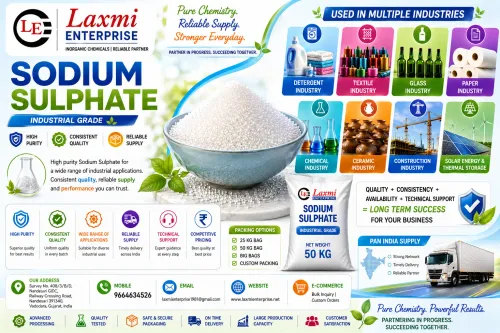
• Buy Sodium Sulphate
• Sodium Sulphate for Sale
• Sodium Sulphate Supplier
• Sodium Sulphate Manufacturers
• Sodium Sulphate Exporter
• Sodium Sulphate Powder
• Industrial Grade Sodium Sulphate
• Anhydrous Sodium Sulphate
• Sodium Sulphate Bulk Supply
• Sodium Sulfate Distributor
• Certification Sodium Sulphate for Detergents
• Detergent Grade Sodium Sulphate
• Sodium Sulphate in Powdered Detergents
• Laundry Chemicals Supplier
• • Sodium Sulphate for Textile Processing
• • Textile Chemicals Supplier
• • Dye Fixing Agent Chemicals
• • Sodium Sulphate in Dyeing
• Sodium Sulphate for Glass Manufacturing
• Sodium Sulphate for Kraft Process
• Sodium Sulphate for Paper Industry
• Industrial Chemicals for Glass Production
• • Request Sodium Sulphate Quote
• • Bulk Sodium Sulphate Pricing
.Conclusion
Magnesium Sulfate Heptahydrate is a versatile and eco-friendly auxiliary chemical in textile dyeing, ensuring uniform coloration, higher dye utilization, and enhanced fabric quality. Its mild nature makes it suitable for reactive and natural dye processes where both performance and sustainability are criticaL