
Magnesium Sulphate Scenario in India (March–April 2025): Industrial Sector
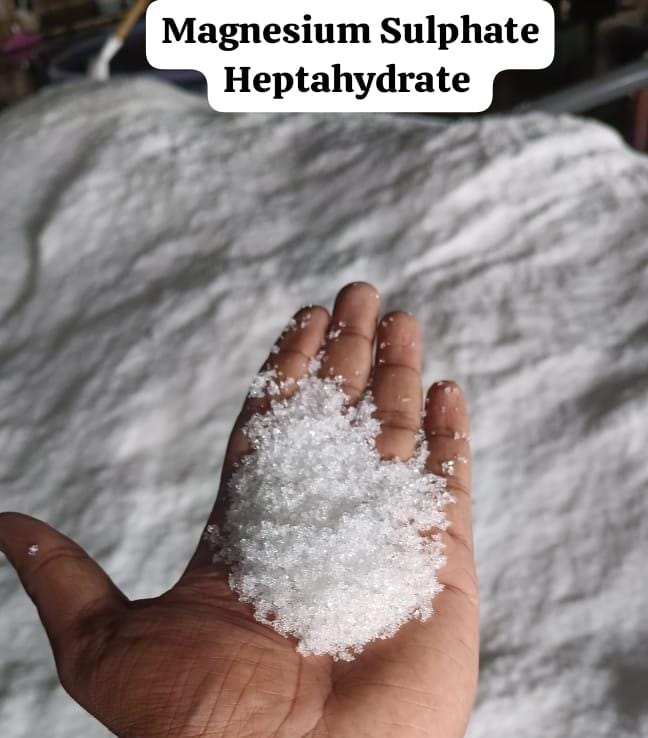
Magnesium sulphate (MgSO₄), commonly known as Epsom salt, is a critical compound used across multiple industries in India. The demand and supply scenario in March–April 2025 is influenced by seasonal trends, market dynamics, and industrial growth.
1. Demand and Supply Trends
Growing Industrial Demand: Magnesium sulphate is widely used in agriculture, pharmaceuticals, textiles, paper, and chemical industries. Its demand remains steady, with seasonal variations in certain sectors.
Domestic Production & Imports: India produces magnesium sulphate domestically, but a significant portion is imported from China, Russia, and Europe. Trade policies and global supply chain disruptions impact prices and availability.
Price Fluctuations: The cost of raw materials (magnesium ores and sulphuric acid) and transportation affect magnesium sulphate pricing. Currency exchange rates and international trade policies also play a role.
2. Sector-Wise Analysis
(a) Agriculture & Fertilizers
Peak Demand Period: March–April marks the pre-Kharif season, where magnesium sulphate is applied to crops like cotton, sugarcane, and vegetables to improve growth and yield.
Government Policies: Subsidies on micronutrient fertilizers encourage magnesium sulphate use, but availability depends on supply chain efficiency.
Competition from Alternatives: Other magnesium-based fertilizers, such as dolomite and kieserite, influence demand.
(b) Pharmaceutical Industry
Stable Demand: Magnesium sulphate is used in laxatives, pain relief products, and medical treatments. The pharmaceutical sector maintains consistent demand throughout the year.
Regulatory Approvals & Quality Standards: The industry is driven by stringent safety and quality norms, impacting domestic production and imports.
(c) Textile & Paper Industry
Moderate Demand in Textiles: Used as a dyeing agent in the textile industry, demand depends on export orders and domestic production cycles. Textile manufacturing sees fluctuating needs in March–April due to seasonal production variations.
Steady Paper Industry Consumption: Magnesium sulphate is used in paper production to enhance whiteness and strength. Growth in packaging and sustainable paper products supports demand.
(d) Chemical & Other Industrial Uses
Growing Role in Water Treatment: The use of magnesium sulphate in industrial and municipal water treatment is increasing due to stricter environmental regulations.
Applications in Cement & Construction: Some demand comes from construction chemicals, though it remains a niche market.
3. Challenges & Opportunities
Logistics & Transportation Costs: Supply chain disruptions or fuel price hikes can affect availability and pricing.
Sustainability & Eco-Friendly Alternatives: Industries exploring alternative compounds could impact long-term magnesium sulphate consumption.
Expansion of Domestic Production: Investments in Indian chemical manufacturing could reduce import dependence and stabilize supply.
Conclusion
In March–April 2025, magnesium sulphate demand in India remains strong, particularly in agriculture, pharmaceuticals, and water treatment. Seasonal agricultural needs drive peak consumption, while industrial sectors maintain steady growth. Challenges such as supply chain disruptions, import dependence, and price fluctuations exist, but domestic production expansion and regulatory support offer growth opportunities.