
SODIUM ACETATE IN ELECTROPLATING AND METAL TREATMENT
1. Overview
Sodium Acetate (CH₃COONa) is a versatile buffering and complexing agent widely used in electroplating, metal finishing, and surface treatment processes.
Its main role is to control pH, enhance metal deposition quality, and improve current efficiency during electroplating of metals such as nickel, zinc, and copper.
afety & Handling
Non-toxic and biodegradable, but handle with care.
Avoid inhalation of dust and contact with eyes.
Store in dry, cool areas away from strong acids and oxidizers.
Use HDPE or glass containers for solutions.
In case of spill, clean with water — it is water-soluble and non-flammable.
Role in Electroplating Processes
A. pH Buffering Agent
Maintains stable pH in acidic and mildly basic plating baths.
Prevents sharp pH fluctuations that can cause uneven or brittle deposits.
Especially useful in acetate-based and mixed electrolyte baths.
B. Complexing Agent
Binds with metal ions (Ni²⁺, Zn²⁺, Cu²⁺) to form soluble acetate complexes.
Helps regulate metal ion concentration during electrolysis.
Improves deposit uniformity and brightness.
C. Conductivity Improver
Enhances electrical conductivity of the electrolyte solution.
Ensures consistent current distribution on metal surfaces.
D. Corrosion Control
Acts as a mild corrosion inhibitor in pre-treatment and post-treatment baths.
Neutralizes residual acidity after acid pickling or electro-cleaning.
Advantages of Using Sodium Acetate in Electroplating
..Improves deposit brightness and smoothness
..Enhances throwing power and metal coverage
..Stabilizes bath pH and conductivity
..Compatible with eco-friendly, cyanide-free plating systems
..Reduces stress and porosity in plated layers
..Economical and non-toxic alternative to strong inorganic buffers.
Conclusion
• sodium acetate CAS 127-09-3 (anhydrous)
• sodium acetate CAS 6131-90-4 (trihydrate)
• sodium acetate EC 204-823-8
• E number E262
• sodium acetate supplier
• sodium acetate manufacturer
• sodium acetate distributor
• buy sodium acetate online
• sodium acetate price per kg
• bulk sodium acetate
• sodium acetate for food industry
• sodium acetate for pharmaceuticals
• sodium acetate for textile dyeing
• sodium acetate for water treatment
• sodium acetate for heating pads
• sodium acetate buffer solution preparation
*
Sodium Acetate plays a critical role in electroplating and metal finishing, especially as a pH stabilizer, complexing agent, and corrosion inhibitor.
It enhances plating quality, bath stability, and surface smoothness — making it an essential additive in nickel, zinc, copper, and environmentally friendly plating systems.
Industrial Applications
A. Textile Industry
Buffering agent in dye baths, especially for acid dyes on wool and silk.
Maintains pH stability to improve color fastness.
Used in printing and finishing processes.
B. Food Industry
Acts as a flavoring agent and preservative (E262).
Used in seasonings, snack foods, and bakery products to provide mild salty taste.
Serves as a pH regulator in certain food processes.
C. Electroplating & Metal Treatment
pH stabilizer in nickel, copper, and zinc plating baths.
Complexing agent for metal ions to improve plating uniformity.
Used in metal passivation and neutralizing rinse baths after acid cleaning.
D. Concrete & Construction Industry
Functions as an accelerator in cement to reduce setting time.
Helps in cold weather concreting by speeding up hydration.
Used in ready-mix concrete and precast industries.
E. Deicing & Heat Packs
Used in deicing salts for roads and runways due to lower freezing point.
Employed in instant heat packs (exothermic crystallization) for medical and sports applications.
F. Leather Industry
Stabilizes dye baths for leather processing.
Maintains pH during tanning and finishing.
G. Pharmaceutical Industry
Used as a buffer and stabilizer in medicinal formulations.
Acts as a pH regulator in some liquid medicines and injections.
H. Laboratory & Chemical Industry
Common buffer solution for gel electrophoresis and other biochemical experiments.
Used in chemical synthesis as a reagent and neutralizing agent.
I. Oil & Gas / Industrial Chemistry
Employed in drilling fluids and oil recovery as a stabilizer.
Helps control pH and ionic strength in industrial processes.
3. Key Advantages
Highly soluble in water → easy to use in solution-based processes.
Non-toxic and biodegradable, suitable for food and pharmaceutical applications.
Stable crystalline form → long shelf life.
Versatile → used in textiles, metals, construction, and chemical labs.
Buffering capacity → maintains pH stability in diverse chemical reactions.
4. Typical Technical Specifications
Parameter Specification
Purity ≥ 99%
Moisture Content ≤ 20% (as trihydrate)
Insoluble Matter ≤ 0.05%
Heavy Metals (Pb) ≤ 0.001%
pH (5% Solution) 7.5 – 9.0
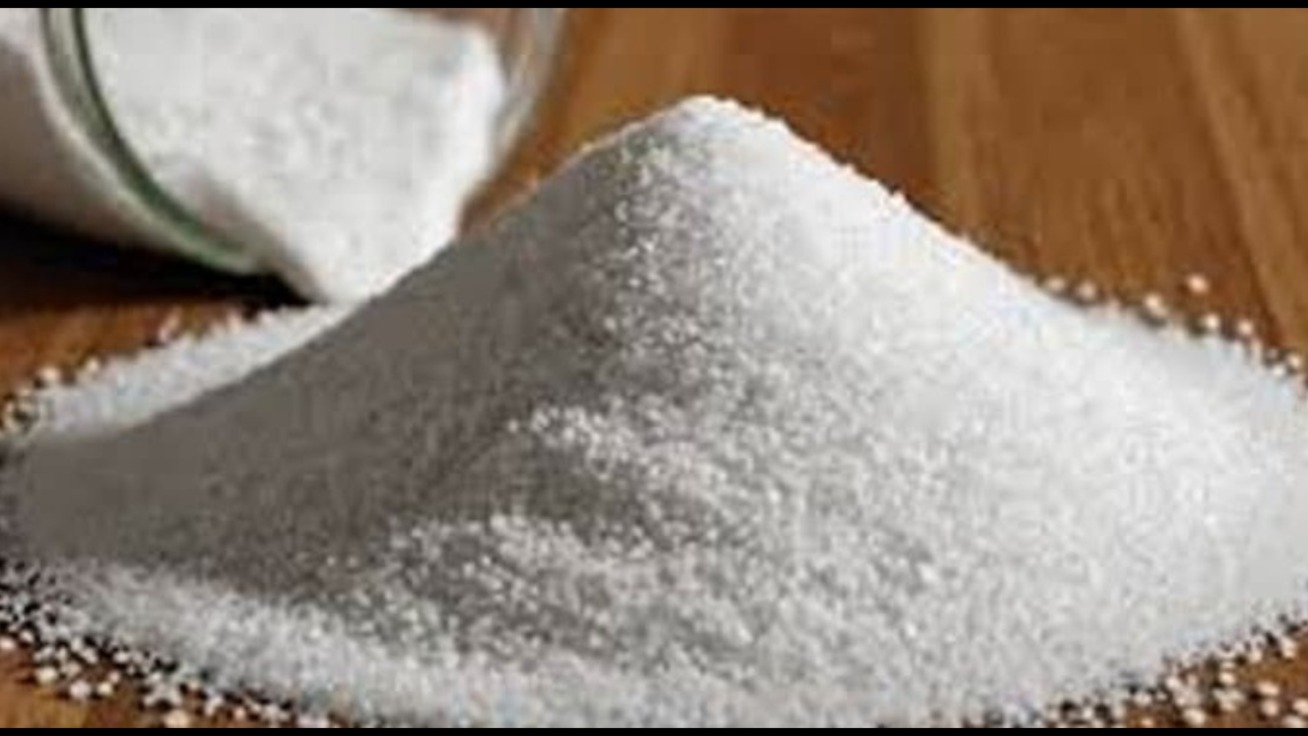
Appearance White crystalline powder or granules
5. Summary Table – Industrial Applications
Industry Application Role of Sodium Acetate Trihydrate
Textile Dyeing & finishing pH buffer for color fastness
Food Seasonings, bakery Flavor enhancer, preservative, pH regulator
Electroplating Nickel, copper, zinc baths pH stabilizer, complexing agent
Construction Concrete, cement Accelerator, reduces set time
Leather Tanning & finishing Stabilizes dye baths
Pharma Liquid medicines, injections Buffer & stabilizer
Laboratory Biochemical experiments Buffer solution & neutralizer
Oil & Gas Drilling fluids pH and ionic stabilizer
Heat Packs Instant heat packs Exothermic crystallization agent
Deicing Road and runway salts Freezing point depressant
Chemical & Industrial Applications
A. Biochemistry & Molecular Biology
Electrophoresis Buffers: Tris-acetate-EDTA (TAE) buffer for DNA/RNA gels.
Enzyme Studies: Maintains optimal pH for enzymatic reactions.
Cell Culture & Bioreactors: Stabilizes pH in growth media.
B. Analytical Chemistry
Titration & pH Calibration: Provides stable reference pH for experiments.
Chromatography Buffers: High reproducibility in HPLC or ion-exchange processes.
C. Industrial Processes
Electroplating: Acts as a pH stabilizer in metal deposition baths (Ni, Cu, Zn).
Textile Dyeing: Buffers dye baths, especially for acid dyes on wool or silk, to maintain color consistency.
Leather Processing: Stabilizes pH during tanning or finishing.
Concrete & Cement Chemistry: Sometimes used to control setting reactions in specialty cement formulations.
D. Food & Pharmaceutical Applications
Food Additive: E262, pH regulator in sauces, beverages, and bakery products.
Pharmaceuticals: Buffering agent in oral solutions, injections, and other formulations.
E. Environmental Chemistry
Wastewater Treatment: Maintains pH during chemical coagulation or flocculation processes.
Neutralization: Used in neutralizing acidic effluents.
F. Heat Packs / Chemical Heating
Exothermic Crystallization: Sodium acetate trihydrate releases heat upon crystallization from supersaturated solution.
Advantages of Sodium Acetate as a Buffer
Highly soluble and stable in aqueous solutions.
Non-toxic and biodegradable, suitable for food, pharma, and lab use.
Adjustable pH range by varying ratio with acetic acid.
Compatible with most metal ions, mild acids, and bases.
Versatile: used across biochemistry, industry, and analytical chemistry.
Safety & Handling
Non-toxic, but avoid inhalation of dust.
Store in dry, cool, ventilated areas.
Avoid contamination with strong acids or oxidizing agents.
Use personal protective equipment (PPE) when handling powder in bulk.
[ [SODIUM ACETATE IN METAL TREATMENT, LAXMI ENTERPRISE, VADODRA, GUJARAT, INDIA.]]