

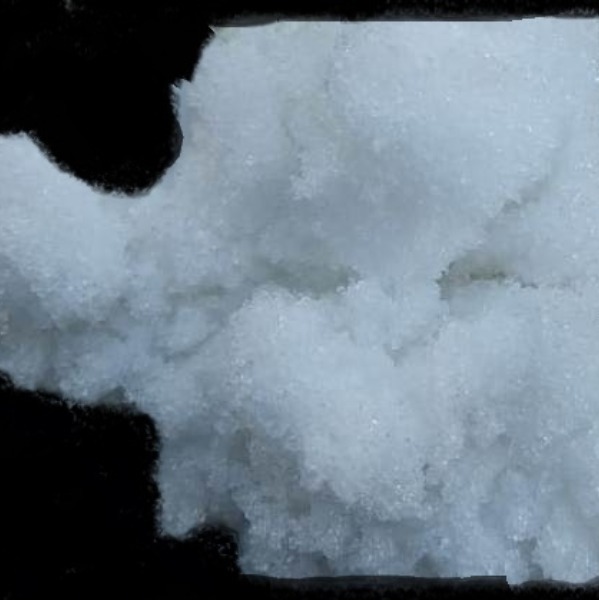
Sodium Nitrate–Potassium Nitrate Blends (NaNO₃–KNO₃) Blends of sodium nitrate (NaNO₃) and potassium nitrate (KNO₃) are widely used because they combine high thermal stability, tunable melting behavior, good oxidizing power, and ionic conductivity. The exact Na/K ratio is chosen to optimize melting point, solubility, and performance for the target application.
PropertyNaNO₃KNO₃Blend AdvantageMelting point308 °C334 °CLower eutectic MPThermal stabilityHighHighStable up to ~550–600 °COxidizing strengthModerateStrongTunableSolubility (25 °C)~91 g/100 g H₂O~32 g/100 g H₂OAdjustable dissolution rate
Solar Salt (Most Common)
- 60 wt% NaNO₃ / 40 wt% KNO₃
- Melting point ≈ 220–222 °C
- Excellent thermal storage and heat transfer
NaNO₃ : KNO₃ (wt%)Use Case50 : 50General oxidizer blends65 : 35Lower cost, higher solubility45 : 55Higher oxidizing strength
Thermal Energy Storage (TES)
- Concentrated solar power (CSP)
- Heat transfer & storage medium
- Long thermal cycling life
Combined Na⁺ / K⁺ nutrient delivery
Rapid nitrate availability
Used in specialty agriculture
Oxygen balance control
Burn rate modulation
Lower hygroscopicity than pure NaNO3
Heat treatment of metals
Controlled oxidation environments
Lower melting point than pure salts
Improved thermal fluidity
Adjustable oxidizing behavior
Reduced caking vs single-salt systems
High chemical purity achievable
- Hygroscopic (NaNO₃ component) → moisture control required
- Compatible with stainless steel at operating temps
- Avoid organic contamination (strong oxidizers)
Typical QC tests:
- Nitrate content (% NO₃⁻)
- Sodium & potassium ratio (IC / ICP-OES)
- Sulfate, chloride impurities
- Moisture content (LOD)
Ion chromatography is often used for:
- Nitrate purity
- Sulfate/chloride impurity control (important for CSP corrosion risk)
Strong oxidizers
- Store away from organics and reducers
- Use non-combustible packaging
- Follow UN/DOT oxidizer guidelines
NaNO₃–KNO₃ blends offer a cost-effective, thermally stable, and tunable nitrate system for energy, agriculture, and industrial oxidation processes. The 60:40 “solar salt” composition is the global standard for thermal applications.
Sodium Nitrate (NaNO₃) – Storage, Handling & Safety Guidelines
Sodium nitrate is a strong oxidizing inorganic salt widely used in fertilizers, thermal salts, explosives, and chemical manufacturing. While it is not combustible itself, improper storage or handling can create serious fire and contamination risks.
- Oxidizer (UN 1498)
- GHS: Oxidizing solid, Category 3
- Can intensify fires in contact with combustible materials
- Decomposes at high temperature → releases NOx and oxygen
Storage Area
Cool, dry, well-ventilated
Away from heat sources and direct sunlight
Dedicated oxidizer storage preferred
Incompatible Materials (Strictly Avoid)
Organic materials (paper, wood, oils, solvents)
Reducing agents (sulfides, phosphides, metal powders)
Acids (risk of NOx formation)
Ammonium salts (explosion risk under certain conditions)
HDPE, PP, or corrosion-resistant steel
Tightly sealed to prevent moisture uptake
Clearly labeled “OXIDIZER – SODIUM NITRATE”
- Safety goggles or face shield
- Nitrile / PVC gloves
- Dust mask or respirator (for bulk handling)
- Protective clothing
Fire behavior
- Sodium nitrate does not burn
- Strongly supports combustion of other materials
Small Spills
- Avoid dust
- Sweep carefully into clean, dry container
- Dispose or reuse if uncontaminated
Large Spills
- Isolate area
- Prevent entry into drains
- Collect mechanically; wash residue with water
ExposureEffectInhalationIrritation to respiratory tractSkin contactMild irritationEye contactRedness, wateringIngestionGI irritation; methemoglobinemia (high dose)
Eyes: Rinse ≥15 min with water
Skin: Wash with soap & water
Inhalation: Move to fresh air
Ingestion: Do NOT induce vomiting; seek medical help
- Highly soluble → risk of water contamination
- Can contribute to eutrophication
- Prevent uncontrolled discharge
UN 1498, Class 5.1
Keep away from combustible cargo
Follow ADR / IMDG / IATA oxidizer rules
Keep moisture <0.1% to avoid caking
Avoid contamination with chlorides or sulfates (corrosion risk)
Stainless steel (304/316) compatible at operating temps
Sodium nitrate is safe when kept clean, dry, and isolated from combustibles—but dangerous when contaminated. Strict segregation, moisture control, and oxidizer-appropriate fire response are essential.
Sodium Nitrate (NaNO₃) – Thermal Stability & High-Temperature Behavior
Sodium nitrate is valued in thermal energy storage, heat-transfer salts, and oxidizing systems because of its high thermal stability over a broad temperature range. Understanding its phase behavior and decomposition limits is essential for safe and efficient high-temperature use.
PropertyValueMolecular weight85.00 g/molMelting point308 °CBoiling pointDecomposes (no true boiling)Density (solid, 25 °C)~2.26 g/cm³Density (molten, ~350 °C)~1.9 g/cm³Heat capacity (molten)~1.6 kJ/kg·KThermal conductivity (molten)~0.5 W/m·K
Ambient to ~500–550 °C
Chemically stable as nitrate
Minimal NOx evolution under inert or clean air conditions
Begins around 550–600 °C
650 °C:
- Nitrite further decomposes
- Formation of Na₂O / Na₂CO₃ (in presence of CO₂)
- Significant NOx release
Temperature
- Primary driver of nitrate → nitrite conversion
- Long exposure near upper limit accelerates degradation
Air / oxygen: stabilizes nitrate form
Inert or reducing atmospheres: faster nitrite formation
Chlorides, sulfates, metal ions:
- Catalyze decomposition
- Increase corrosion in molten systems
- Lowers melting behavior slightly
- Promotes corrosion but not decomposition
Pure NaNO₃
- Usable up to ~550 °C
- High melting point limits low-temperature operation
NaNO₃–KNO₃ Blends (e.g., Solar Salt)
- Lower melting point (~220 °C)
- Similar upper stability limit (~550–600 °C)
- Widely used in CSP thermal storage
Excellent resistance to repeated melt–freeze cycles
Degradation rate depends on:
- Max temperature reached
- Oxygen availability
- Residence time at peak temperature
Above stability limit:
- Oxygen release → fire intensification risk
- NOx fumes → toxic & corrosive
- Pressure buildup in confined systems
Temperature interlocks
Venting
- Continuous nitrite monitoring
- Ion chromatography: nitrate/nitrite ratio
- Thermogravimetric analysis (TGA): onset of decomposition
- DSC: phase transitions & heat capacity changes
- Sodium nitrate is thermally stable up to ~550 °C, making it suitable for high-temperature heat storage and transfer. Above this range, nitrate-to-nitrite conversion and oxygen release limit safe operation.
· Chile saltpeter
· Peru saltpeter nitrate of soda
· nitric acid sodium salt sodium salt of nitric acid
· sodium nitrate supplier sodium nitrate manufacturer
sodium nitrate exporter sodium nitrate distributor
· sodium nitrate price buy sodium nitrate online
· bulk sodium nitrate for sale industrial grade sodium nitrate
· food grade sodium nitrate pharmaceutical grade sodium nitrate