

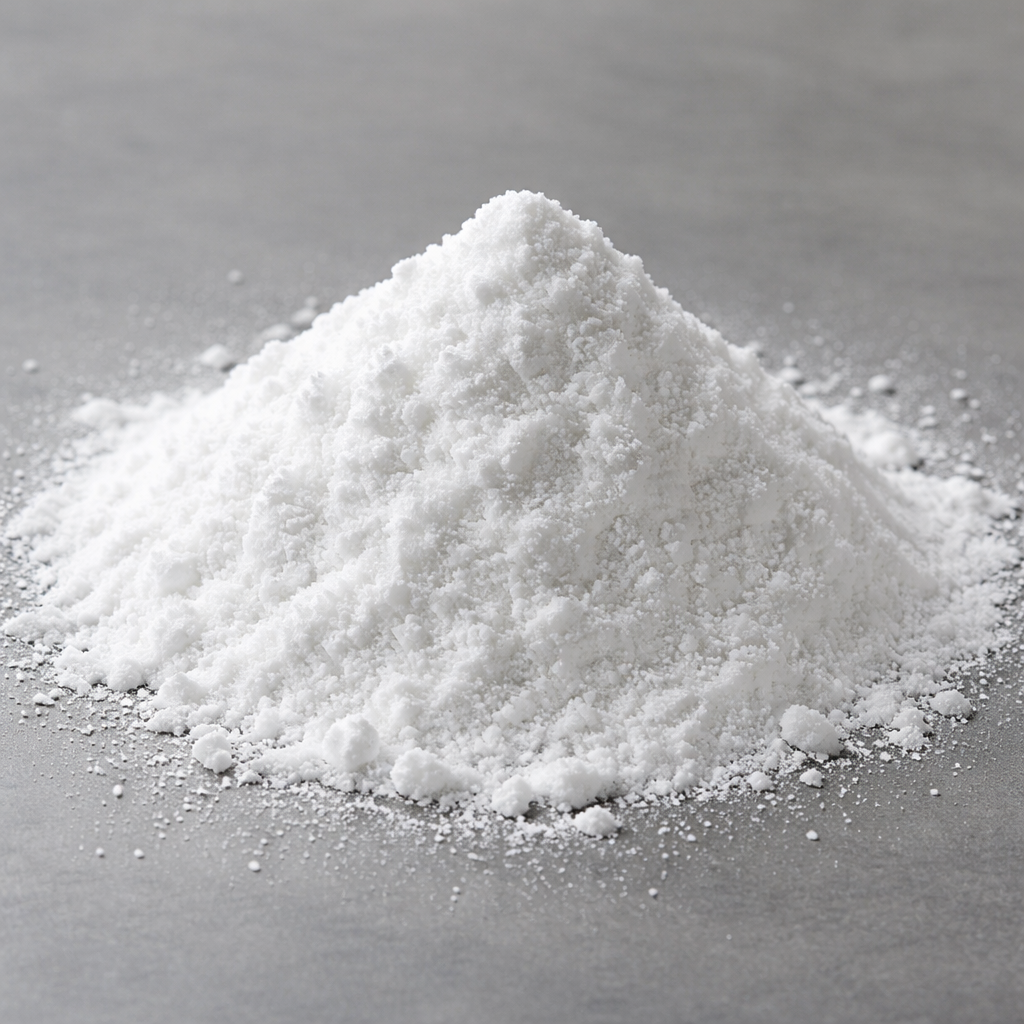
SODIUM NITRATE DECOMPOSITION TEMPERATURE CONTROL
Chemical formula: NaNO₃
Properties: White crystalline solid, highly soluble in water, oxidizing agent.
Thermal behavior: Stable at moderate temperatures but decomposes when heated strongly, releasing oxygen and forming sodium nitrite (NaNO₂) or, at very high temperatures, sodium oxide (Na₂O) and nitrogen oxides (NOx).
- Decomposition temperature: Begins around 380–500 °C (bulk material may vary depending on particle size and impurities).
- Melting point: 308 °C
Key point: Decomposition is exothermic and can accelerate if material is contaminated or in bulk, leading to fire/explosion hazards.
- Temperature limit: Keep well below 300 °C, ideally <50 °C for long-term storage.
- Environment: Cool, dry, and well-ventilated area.
- Avoid contact with combustible materials (wood, oil, dust).
- Insulation: Prevent solar heating or contact with hot surfaces.
Use controlled heating with thermocouples to monitor bulk temperature.
Maintain gradual temperature ramps, avoid sudden spikes.
- Avoid large heaps: bulk sodium nitrate can self-heat due to exothermic reactions.
- Use smaller batches to prevent hot spots.
- In high-temperature processes, use nitrogen or other inert gas to reduce risk of oxidation or thermal runaway.
- Air or water cooling around storage silos or reaction vessels.
- Thermal sensors with alarms to detect temperature rise beyond safe limits.
Avoid contamination: Metals, organics, and strong acids can trigger decomposition.
Fire hazards: Decomposition releases oxygen → can accelerate combustion of nearby materials.
Thermal runaway: In bulk storage, once decomposition starts, heat release can accelerate further decomposition → explosion risk.
Personal protective equipment (PPE): Gloves, goggles, heat-resistant clothing when handling hot material.
For industrial nitrate storage, always combine temperature sensors, forced ventilation, and emergency cooling systems. This is especially critical if large quantities (>tons) are stored, as thermal runaway can occur even below decomposition temperature if heat accumulates.
Store in cool (<50 °C), dry, well-ventilated areas.
Keep away from combustibles: wood, paper, oils, chemicals.
Avoid metal contamination, especially with aluminum, zinc, or powdered metals.
Store in small batches rather than large piles to prevent heat accumulation.
Use non-combustible storage containers (plastic, coated steel).
Maintain humidity control to prevent caking and dust formation.
Avoid direct sunlight or hot surfaces.
Provide temperature monitoring for bulk storage — alarms if temperature rises unexpectedly.
- Avoid friction, impact, or grinding that produces dust.
- Do not mix with incompatible chemicals (e.g., acids, sulfides, organics).
- Use PPE: gloves, goggles, dust masks for operators.
Control Ignition Sources
- No open flames or sparks near storage.
- Ensure electrical equipment is rated for oxidizer storage areas.
- Avoid static buildup — ground and bond containers when transferring.
Dust Control
- Minimize dust generation during handling.
- Use dust collectors and ventilation.
- Avoid confined spaces where fine NaNO₃ dust could accumulate — dust-air mixtures can detonate if ignited.
Emergency Cooling
- Install sprinklers or cooling systems for large storage silos.
- Have fire extinguishers suitable for oxidizers (water spray or foam — NOT dry chemical for oxidizer fires alone).
Do not use combustible extinguishing agents (e.g., dry powder on oxidizer fire can react).
Water spray is usually preferred to cool material and dilute oxidizer.
Protective clothing and respiratory protection are required due to NOx gases in decomposition.
Evacuate personnel in case of thermal decomposition — explosion risk is high in confined spaces.
Sodium nitrate itself is stable, but it is a strong oxidizer — it can intensify fires and contribute to explosions if heated, contaminated, or confined.
Key prevention measures:
- Cool, dry, ventilated storage.
- Separation from combustibles and metals.
- Dust and contamination control.
- Temperature monitoring and emergency cooling.
- Safe handling and proper PPE.
- Nitrogen dioxide (NO₂)
- Nitric oxide (NO)
- Nitrous oxide (N₂O) (minor)
- Oxygen (O₂) (supports combustion)
Nitrogen Dioxide (NO₂) – MOST DANGEROUS
- Appearance: Reddish‑brown gas
- Odor: Sharp, acrid
- Toxicity: Extremely toxic by inhalation
Health effects:
- Severe lung irritation
- Delayed pulmonary edema (fluid in lungs)
- Chemical pneumonitis
- Can be fatal hours after exposure (even if symptoms initially seem mild)
- Colorless, odorless
- Rapidly oxidizes to NO₂ in air
Health effects:
- Reduces oxygen delivery in blood (forms methemoglobin)
- Headache, dizziness, nausea
- Can cause delayed respiratory injury
- Not toxic itself
- Greatly increases fire and explosion risk
- Can cause normally non‑flammable materials to burn violently
In confined spaces, oxygen enrichment can cause:
- Flash fires
- Rapid combustion
- Secondary explosions
Mild anesthetic at low levels
- At high levels: dizziness, oxygen displacement risk
Most dangerous scenario:
- High temperature
- Confined or poorly ventilated space
- Presence of moisture or contaminants
- Bulk sodium nitrate decomposition
Rapid NO₂ buildup
Oxygen‑enriched atmosphere
Explosion‑accelerated fire
- Fatal inhalation hazard
- Eye and throat irritation
- Coughing
- Chest tightness
Delayed symptoms (hours later):
- Shortness of breath
- Pulmonary edema
- Cyanosis (blue lips/skin)
- Respiratory failure
Engineering Controls
- Temperature control below 300 °C
- Forced ventilation and exhaust systems
- NOx gas detectors with alarms
- Avoid confined heating zones
Strict SOPs for heating sodium nitrate
Contamination control (no organics, metals)
- Training on delayed NO₂ toxicity
- Full‑face respirator with NOx‑rated cartridges
- SCBA for emergency response
- Chemical‑resistant gloves and goggles
- Immediately evacuate if brown fumes (NO₂) are visible
- Do NOT re‑enter area without respiratory protection
- Ventilate area thoroughly
- Exposed persons must receive medical observation for 24 hours
- Oxygen therapy may be required under medical supervision
- Sodium nitrate decomposition gases—especially NO₂—are highly toxic and potentially fatal, even at relatively low concentrations. The greatest danger is delayed lung injury, making immediate evacuation and medical evaluation essential.
General Requirements
- Store cool, dry, well-ventilated areas away from direct sunlight or heat sources.
- Keep separate from combustible or flammable materials (wood, paper, oils, solvents).
- Use non-combustible, sealed containers.
- Avoid contamination with metals, organics, acids, sulfides, or reducing agents.
- Comply with local fire codes (NFPA 400 / IS 4370 in India for oxidizers)
Max temperature: ≤50 °C (preferably 30–40 °C).
Storage piles: small, ventilated, avoid large heaps (>1–2 tons per pile in uncontrolled environments).
- Segregate oxidizers from combustible storage by minimum separation distance or fire barrier.
UN number and oxidizer symbol displayed on containers.
Include hazard warnings: “May intensify fire; oxidizer”.
- Label should include emergency contact info and first aid instructions.
- Fire suppression: water spray preferred; extinguishers rated for oxidizer fires.
- No combustible extinguishing agents near oxidizer.
- Fire detection: smoke detectors, thermal sensors, especially in bulk storage.
UN Number: 1498
Class: 5.1 – Oxidizing solids
Packaging: UN-approved containers, moisture-resistant, properly labeled.
ADR / IMDG / IATA: Must comply with international transport rules for oxidizers.
- Placards: Oxidizer symbol during bulk transport.
- Temperature control: ≤50 °C, ventilated, away from heat.
- Segregation: From combustibles, acids, organics, reducing agents.
- Containment: Non-combustible containers, properly labeled.
- Dust control & PPE: Minimize inhalation/exposure risks.
- Fire protection: Water-based fire suppression, alarms, training.
- Regulatory compliance: UN number, transport labeling, OSHA/CLP standards.
Melting point: ~308 °C
Thermal decomposition onset: ~380–500 °C (can be lower if contaminated)
- Decomposition accelerates in bulk material, confined spaces, or in the presence of impurities (metals, organics).
Nitrogen dioxide (NO₂) – most toxic
Nitric oxide (NO) – converts to NO₂ in air
Oxygen (O₂) – increases fire/explosion risk
- Trace nitrous oxide (N₂O)
Nitrogen Dioxide (NO₂) – CRITICAL HAZARD
- Reddish‑brown gas, sharp odor
- Extremely toxic by inhalation
Health effects:
- Severe lung irritation
- Chemical pneumonitis
- Delayed pulmonary edema (6–24 hours later)
- Can be fatal even after short exposure
. Nitric Oxide (NO)
- Colorless, odorless
- Oxidizes to NO₂ in air
Health effects:
- Reduces oxygen transport in blood
- Headache, dizziness
- Contributes to delayed lung injury
- Not toxic itself
- Strongly intensifies fires and explosions
- Can cause violent combustion of nearby materials
- Low toxicity
- At high levels: dizziness, oxygen displacement risk
High temperature
Confined or poorly ventilated areas
Bulk sodium nitrate
- Presence of contaminants
Rapid NO₂ accumulation
Oxygen‑rich atmosphere
Fire escalation
Explosion‑assisted gas release
- Fatal inhalation hazard
Eye and throat irritation
Coughing
- Chest tightness
Severe breathing difficulty
Pulmonary edema
Cyanosis (bluish skin)
- Respiratory failure
Keep process temperatures <300 °C
Forced ventilation & exhaust
- NOx gas detectors with alarms
Prevent contamination (no organics, metals)
Avoid confined heating
- Small batch processing
Full‑face respirator with NOx‑rated cartridges
SCBA for emergency response
- Chemical goggles & protective clothing
Evacuate immediately if brown fumes appear
Do NOT re‑enter without respiratory protection
Ventilate area thoroughly
Provide medical evaluation even if symptoms are mild
- Oxygen therapy only under medical supervision
Chemical hazards: Oxidizer; can intensify fires.
Physical hazards: Fine dust can irritate eyes, skin, and lungs.
- Thermal hazards: Bulk decomposition can release toxic gases (NO₂, NO) and oxygen, increasing fire risk.
- Avoid dust generation
- Use mechanical transfer equipment instead of manual scooping
- Keep powders slightly moist if safe to reduce airborne dust
- Segregate from combustibles & organics
- Wood, oil, paper, solvents → can react with NaNO₃
- Avoid contact with metals (Al, Zn, Cu)
- Can trigger localized decomposition or fire
- Do not smoke or use open flames near storage or handling areas
- Wash hands and exposed skin after handling
- Use proper storage containers
- Non-combustible, tightly sealed, labeled as oxidizer