
Sodium Nitrate (NaNO₃) in Metal Heat-Treating Processes
Sodium nitrate is widely used in the metal heat-treating industry as a heat transfer medium, oxidizing agent, and component of molten salt baths. Its unique thermal and chemical properties make it ideal for processes requiring precise temperature control and surface treatment. Below is a detailed overview:
1. Role of Sodium Nitrate in Heat Treatment
Sodium nitrate serves primarily as a component of molten salt baths used for:
Tempering
Austenitizing
Martempering
Nitriding
Carburizing (oxidizing atmosphere)
When melted, sodium nitrate forms a stable, uniform bath that provides efficient heat transfer and a controlled chemical environment around the metal parts being treated.
2. Common Salt Bath Compositions
Sodium nitrate is often used in combination with sodium nitrite (NaNO₂) and potassium nitrate (KNO₃) to form eutectic mixtures that melt at relatively low temperatures (around 220–260°C).
Typical formulations:
Low-temperature baths (250–550°C):
50–60% NaNO₃ + 40–50% NaNO₂
→ Used for tempering and austempering.
Medium to high-temperature baths (up to 600°C):
NaNO₃ + KNO₃ mixtures
→ Used for nitriding and martempering.
3. Functions in Heat-Treating Operations
Process Function of Sodium Nitrate Temperature Range (°C) Notes
Tempering Provides uniform heating without oxidation or scaling 250–550 Used after quenching to reduce brittleness
Austempering Acts as heat transfer medium to produce bainitic structures 260–400 Enables controlled cooling
Martempering Ensures uniform temperature for reducing quench stresses 150–450 Reduces cracking/deformation
Nitriding Supplies oxidizing environment for surface hardening 500–600 Forms thin, hard surface layers
Bright Annealing Prevents oxidation/discoloration of surface 300–500 Produces bright, clean finish
4. Advantages
Excellent heat transfer properties
Provides uniform temperature distribution
Prevents scaling and oxidation of metals
Maintains a clean working environment (compared to oil quenching)
Can be reused with proper maintenance
5. Precautions & Safety
Sodium nitrate is a strong oxidizer — avoid contamination with organic materials (oil, grease, etc.).
At high temperatures, thermal decomposition can release toxic nitrogen oxides (NOₓ).
Requires proper ventilation and temperature control.
Store in dry conditions to prevent moisture absorption and caking.
6. Environmental & Disposal Considerations
Spent nitrate baths must be neutralized and treated before disposal, as nitrates can cause water pollution (eutrophication). Industrial waste treatment systems often convert nitrates to harmless nitrogen gas via biological denitrification.
7. Related Compounds
Chemical Formula Role
Sodium Nitrite NaNO₂ Reduces oxidation potential, lowers melting point
Potassium Nitrate KNO₃ Raises operating temperature range
Barium Nitrate Ba(NO₃)₂ Sometimes used for specialized steel treatments
* Summary
Property Description
Chemical Formula NaNO₃
Molecular Weight 84.99 g/mol
Melting Point ~308°C
Main Use in Metallurgy Molten salt bath for tempering, martempering, and nitriding
Key Benefit Uniform heating and oxidation control
Sodium Nitrate — Packaging and Packaging Options
1. Standard Packaging Types
Packaging Type Material Description Typical Weight Applications / End Users
HDPE Bags with Inner Liner High-Density Polyethylene woven bags with inner polyethylene liner 25 kg / 50 kg General industrial use, heat-treating chemicals, laboratories
PP Woven Bags (Laminated) Polypropylene woven fabric with moisture barrier lamination 25 kg / 50 kg Export and domestic trade — provides strength and moisture protection
Paper Bags (Triple Layer) Multiwall kraft paper with inner plastic film 25 kg Suitable for small-scale, precision chemical industries and clean environments
FIBC / Jumbo Bags Flexible Intermediate Bulk Containers made of woven PP fabric (with or without liner) 500 kg / 1000 kg / 1200 kg Bulk users — fertilizer plants, glass manufacturers, steel industry
Drums (Optional) HDPE or fiber drums with airtight sealing 50 kg / 100 kg High-purity grades, laboratory use, or sensitive environments
2. Custom Packaging Options
Manufacturers and suppliers often offer customized packaging based on:
Customer’s brand labeling
Color-coded bags (for grade identification)
Moisture-resistant inner liners (LDPE or aluminum foil)
Heat-sealed packaging for extended shelf life
Palletized and shrink-wrapped loads for export containers
Export-Grade Options:
25 kg laminated PP bags × 40 bags per pallet (1000 kg per pallet)
1000 kg FIBC bag, UV-stabilized with lifting loops
Optional fumigation and ISPM 15 compliant pallets
3. Storage and Handling Recommendations
Store in a cool, dry, and well-ventilated area.
Keep away from heat, moisture, and organic materials (as sodium nitrate is an oxidizer).
Avoid contact with combustible materials.
Shelf Life: Approximately 2 years if stored properly in sealed containers.
Transportation: Classified as Oxidizing Solid, UN No. 1498, Class 5.1 (for international shipments).
4. Labeling and Safety Information
Each package typically includes:
Product Name: Sodium Nitrate (NaNO₃)
Purity / Grade: (e.g., Technical, Industrial, or Heat-Treating Grade)
Net Weight
Batch Number
Manufacturing & Expiry Dates
Manufacturer’s Name and Address
Hazard Labels:
* Oxidizer (GHS03)
* Irritant (GHS07)
Handling Instructions and Safety Precautions
5. Summary Table
Parameter Details
Available Pack Sizes 25 kg, 50 kg, 500 kg, 1000 kg
Packaging Materials HDPE, PP Woven, Kraft Paper, Jumbo Bags
Protection Features Inner liner, moisture barrier, UV stabilization
Labeling As per GHS and UN transport regulations
Customization Private labeling, bag printing, palletizing available
Sodium Nitrate in Chemical Synthesis Applications
1. Overview
Sodium Nitrate (NaNO₃) is an inorganic oxidizing agent widely used in chemical synthesis, manufacturing of intermediates, and industrial formulations.
It serves as a source of nitrate ions (NO₃⁻) and a mild oxidizer, making it valuable in diverse organic and inorganic synthesis processes.
Chemical Formula: NaNO₃
Molecular Weight: 84.99 g/mol
CAS Number: 7631-99-4
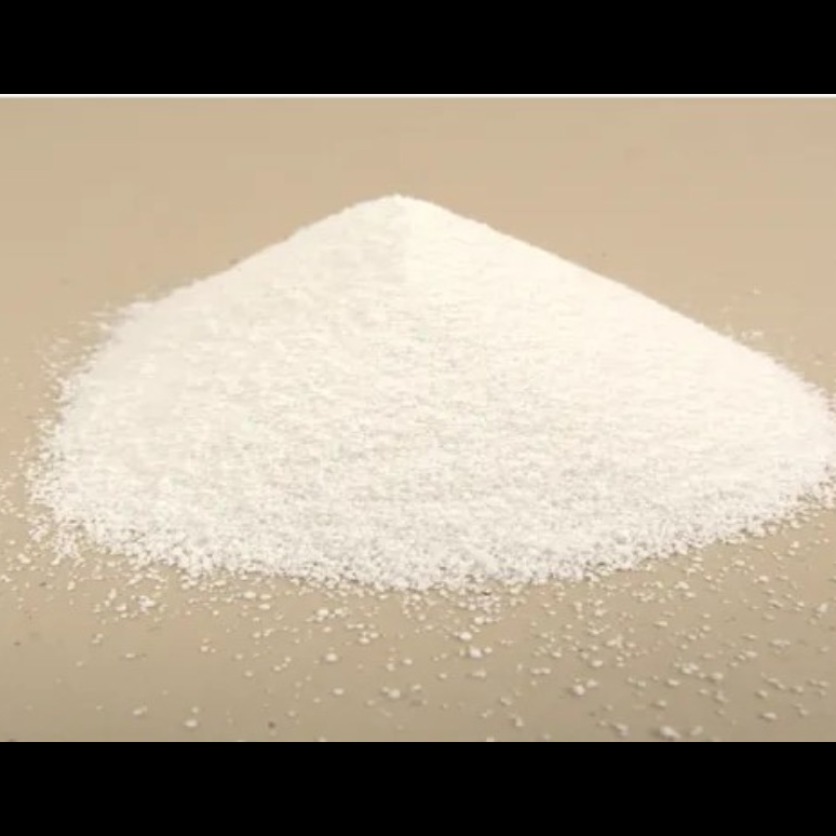
Appearance: White crystalline solid, highly soluble in water
2. Role in Chemical Synthesis
Sodium nitrate functions primarily as:
Function Description Example Reactions / Uses
Oxidizing Agent Provides oxygen for controlled oxidation in organic or inorganic systems Oxidation of metals, sulfides, or organic compounds
Nitrating Agent Source of nitrate ions for introducing nitro groups Production of nitro compounds and nitrates
Raw Material / Intermediate Reactant in production of nitric acid and other nitrates NaNO₃ + H₂SO₄ → HNO₃ + NaHSO₄
Combustion Promoter Supports combustion in solid mixtures Pyrotechnics, matches, propellants
Catalyst Component Used in catalytic mixtures for oxidation or polymerization reactions Mixed catalysts in chemical plants
Flux in Inorganic Reactions Promotes ionic mobility and lowers melting point in molten salt systems Synthesis of metal oxides, ceramics, and catalysts
3. Major Chemical Synthesis Applications
a) Production of Nitric Acid
One of the classical industrial routes:
NaNO₃ + H₂SO₄ → HNO₃ + NaHSO₄
Used where ammonia-based nitric acid plants are unavailable.
Key raw material in older or small-scale nitric acid units.
b) Manufacture of Other Metal Nitrates
Acts as a nitrate donor in double decomposition or metathesis reactions:
NaNO₃ + Pb(CH₃COO)₂ → Pb(NO₃)₂ + 2CH₃COONa
Used to produce copper nitrate, lead nitrate, calcium nitrate, etc.
c) Oxidation of Organic Compounds
Mild oxidizer in the preparation of:
Aromatic nitro compounds
Quinones
Aldehydes and ketones (via oxidative pathways)
Often used with catalysts like CuO, MnO₂, or acidic media.
d) Glass and Enamel Industry
Used in glass synthesis as an oxidant to remove color impurities (e.g., Fe²⁺ → Fe³⁺).
Helps achieve clear, colorless glass and smooth enamel coatings.
e) Ceramics and Catalyst Synthesis
Provides oxygen during firing of metal oxide catalysts (e.g., Co, Ni, Mn oxides).
Used as a flux to enhance ion diffusion and uniformity in ceramic matrices.
f) Nitration and Nitrosation Reactions
Source of nitrosating agents when combined with acids.
Useful in the synthesis of azo dyes, pharmaceutical intermediates, and fine chemicals.
4. Advantages in Chemical Processes
Stable solid oxidizer — safer than liquid oxidizers like nitric acid.
Easily handled and stored.
High solubility in water allows controlled reaction rates.
Environmentally manageable when neutralized properly.
5. Safety and Handling
Classified as an oxidizing solid (UN 1498, Class 5.1).
Avoid contact with organic materials, reducing agents, or sulfur compounds.
Decomposes above 380°C, releasing NO₂ and O₂ gases.
Use in well-ventilated areas with appropriate PPE.
6. Environmental Considerations
Waste containing nitrates should not be discharged untreated.
Nitrates contribute to eutrophication in water bodies.
Spent solutions can be treated by biological denitrification or chemical reduction.
7. Summary Table
Parameter Details
Chemical Formula NaNO₃
Function in Synthesis Oxidizer, nitrating agent, raw material
Main Applications Nitric acid, metal nitrates, organic oxidation, catalyst preparation
Form White crystalline powder or granules
Purity Grades Industrial / Technical / Laboratory
Key Advantage Safe, stable, water-soluble oxidant
* WORDS*
• sodium nitrate
• NaNO3
• sodium nitrate CAS 7631-99-4
• sodium nitrate chemical formula
• sodium nitrate properties
• sodium nitrate specification
• sodium nitrate SDS
• sodium nitrate MSDS
• sodium nitrate supplier
• sodium nitrate manufacturer
• sodium nitrate exporter
• sodium nitrate distributor
• sodium nitrate price
• buy sodium nitrate online
• bulk sodium nitrate for sale
• industrial grade sodium nitrate
• food grade sodium nitrate
• pharmaceutical grade sodium nitrate
• sodium nitrate supplier in India
• sodium nitrate manufacturer in Gujarat
• sodium nitrate exporter Asia Pacific
• buy sodium nitrate near me
• sodium nitrate distributor in USA
• sodium nitrate supplier in Europe
Would you like me to compile this into a technical product datasheet (PDF) for your Laxmi Enterprise
SODIUM NITRATE , LAXMI ENTERPRSE, VADODRA, GUJARAT, INDIA.