

PropertyTypical Value / Behavior
Melting point~ 306–308 °CStable liquid rangeUp to ≈ 500–550 °C under inert/oxidizing atmosphereOnset of decomposition~ 550–600 °C (slow)Rapid decomposition region> 600–650 °CMajor decomposition productsMainly NaNO₂, also O₂, NOₓ at higher temperaturesComplete breakdown to Na₂O> 800–900 °C (progressive, depends on environment)
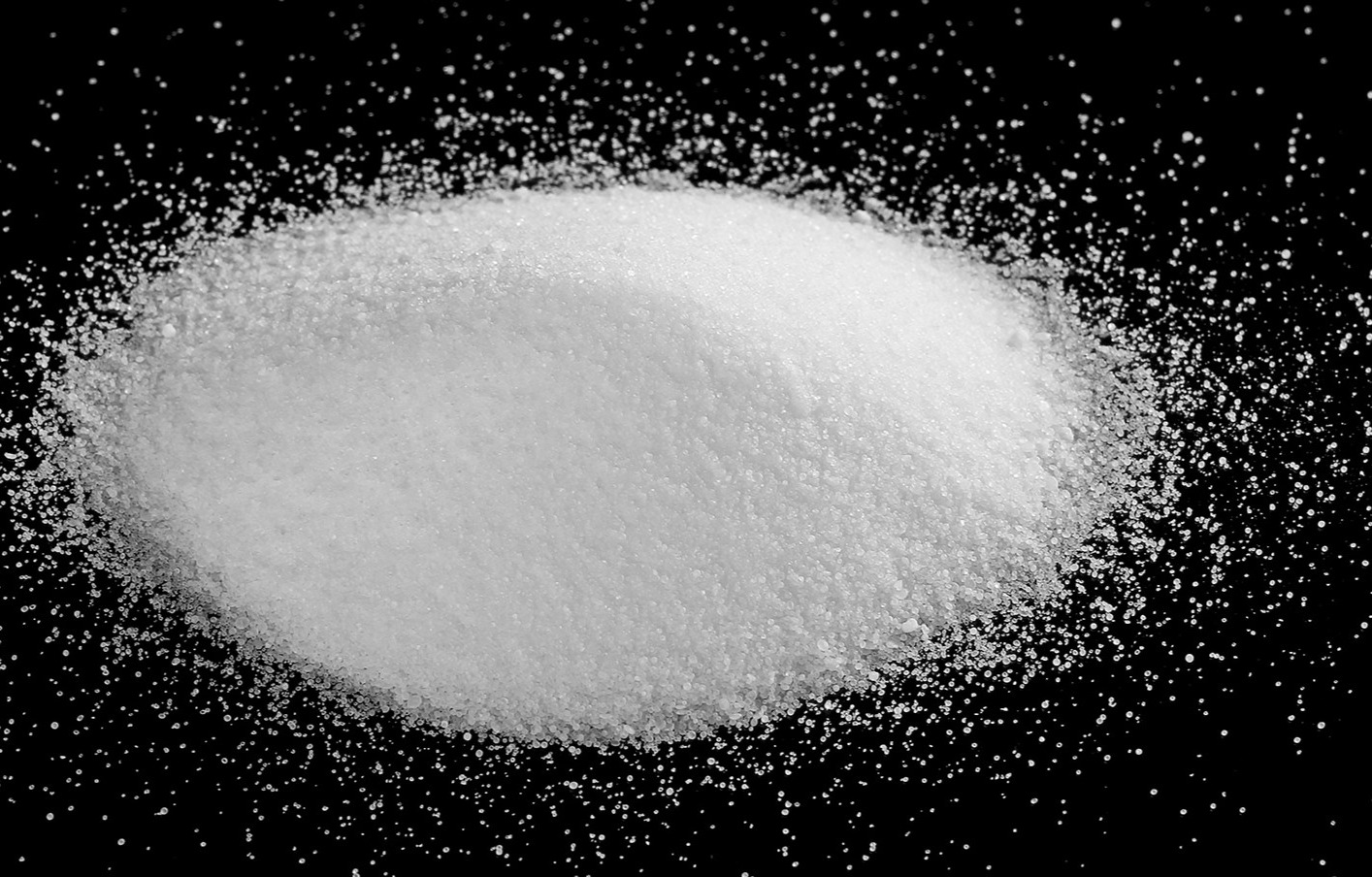
Sodium nitrate (NaNO₃) is widely used in thermal storage, fertilizers, and oxidizer applications largely because of its high thermal stability.
However, its stability has well-defined limits depending on temperature, atmosphere, heating rate, impurities, and the presence of reducing agents.
Closed systems → internal oxygen pressure increases, affecting equilibrium
Presence of contaminants (chlorides, organic residues, transition metals) → catalytic decomposition
Reducing environment → nitrate converts to nitrite more readily
Cyclic heating / cooling → promotes long-term breakdown
- Yellowing of the molten salt (NaNO₂ presence)
- Gas evolution (oxygen release)
- Increase in melt corrosivity
- Gradual composition drift NaNO₃ → NaNO₂ → Na₂O
Stable up to ~500 °C, slow decomposition above 550 °C, significant breakdown > 600 °C
Primarily decomposes to sodium nitrite
Use below 480–500 °C for reliable long-term operation
Sodium nitrate (NaNO₃) is not combustible, but it is a
strong oxidizer, meaning it
accelerates the burning of other materials and can cause fires to become more intense. Safe storage and handling focus on
preventing contact with combustibles, heat, and reducing agents, and managing spill/fire response properly.
- NaNO₃ does not burn itself, but supports combustion.
- Mixed with organic matter, sulfur, charcoal, oil, metal powders, or reducing agents → can cause violent decomposition/explosive reactions.
- Decomposes at high temperature (>550 °C) releasing oxygen, fueling fire.
- Molten nitrate salts increase corrosivity and can ignite nearby materials.
Water spray, flooding, or deluge
Dry chemical agents (only if safe to apply without spreading material)
Foam or CO₂ alone → ineffective against oxidizer-fueled fire
Fire-extinguishing agents containing organic chemicals
SituationRecommended ActionsMaterial not yet involved in fire
Flood with water to cool & isolateMaterial burning with other combustiblesUse
large quantities of water from a safe distanceMolten salt fire hazardKeep away from moisture but use controlled water spray to cool containersSmall fire involving residuesWet down and shovel non-contaminated material away
Firefighters must wear full protective gear + self-contained breathing apparatus (SCBA).
Approach fire from upwind.
Contain runoff to prevent environmental contamination (nitrates → eutrophication risk).
Prevent dust clouds; avoid high heat exposure.
ParameterGuidanceStorage class
Oxidizing solidContainersStore in
corrosion-resistant, tightly sealed containersTemperatureStore
below 200 °C, away from heat sourcesSegregation
Keep away from combustibles, acids, organics, reducing agents, metal powdersVentilationCool, dry, well-ventilated areaMoistureAvoid damp areas (caking and corrosion risk)
Organic matter, wood, paper, textiles
Fuel oils, solvents, greases
Sulfur, charcoal, metal powders (Al, Mg, Zn)
Ammonium salts, cyanides, phosphides
Strong acids → risk of forming toxic NOx fumes
- Gloves: nitrile/neoprene
- Safety goggles/face shield
- Lab coat/antistatic clothing
- Dust mask or P2 respirator during handling of powders
- Avoid skin/eye contact and inhalation of dust
Evacuate non-essential personnel
Remove ignition sources + keep combustibles away
Use clean non-sparking tools to collect and store runoff
Wash area with plenty of water
Dispose via approved hazardous waste stream
- NaNO₃ is a strong oxidizer – main hazard is intensified fire, not self-combustion.
- Keep away from heat, fuels, organics, and reducing agents.
- For fires → Use water, avoid foam/CO₂, cool containers & isolate product.
Sodium nitrate (NaNO₃) is one of the most important inorganic salts used in molten salt heat transfer and thermal energy storage (TES) systems, especially in
concentrated solar power (CSP) and high-temperature industrial processes. Its value lies in
high thermal stability, good heat capacity, low cost, and compatibility when blended with KNO₃.
Below is a structured overview of its use, behavior, advantages, limitations, and engineering considerations.
- Heat transfer fluid (HTF)
- Thermal energy storage medium
- Component in binary/ternary molten salt blends
- Melting point: ~220 °C
- Working temperature: 290–565 °C
- High thermal efficiency and widely used in commercial CSP plants
NaNO₃ may also be used in ternary blends with:
- LiNO₃, Ca(NO₃)₂, NaNO₂ (small fractions), KCl, NaCl to reduce freezing point
PropertyValueMelting point306–308 °CDensity (molten)~
1.9–1.7 g/cm³ (300–600 °C decreasing)Specific heat capacity
~1.5 J/g·K (solid) / 1.6–1.8 J/g·K (molten)
Thermal conductivity~0.5–0.6 W/m·K (molten)Heat of fusion~172 J/g
Stable in molten form up to ~500–550 °C
Slow degradation → NaNO₂ + O₂
Decomposition accelerates above 600 °C
Nitrite buildup affects corrosion and performance
Temperature
Nitrite concentration (higher nitrite → more corrosive)
Moisture/oxygen availability
Container material
- SS 304/316 for < 450–500 °C
- Inconel alloys, Ni-based alloys for high temperature long-term
- Protective coatings: alumina, chromia-forming steels
Avoid carbon steels for long-term high-T operation—risk of rapid oxidation.
Corrosion increases notably when nitrite > 5–10%.
Thermal Management
- Maintain above melting point to prevent freezing (heat tracing required)
- Closed-loop system needed to limit nitrite formation and oxidation
- Nitrite accumulation requires periodic chemical rebalancing
Safe Operating Zone | 290–500 °C |
| Short excursions | up to 560 °C |
- | Avoid prolonged >600 °C | rapid decomposition & corrosion |
Periodic chemical analysis (NO₃⁻/NO₂⁻ ratio)
Removal or conversion of nitrite using:
- oxidative bubbling (air/O₂ at controlled rates)
- additives (e.g., NaNO₃ top-ups)
- Filter particulates formed during corrosion
- High freezing point → heat tracing required
- Decomposition produces nitrite, increasing corrosion
- Thermal cycling can affect long-term stability
- Must avoid contamination with organics/metals (oxidizing risk)
- Sodium nitrate is a
- key molten salt for CSP and high-temperature TES. Operate below ~550 °C for stability, monitor nitrite formation, choose corrosion-resistant materials, and maintain proper thermal management.
- Here is a comprehensive overview of
- Sodium Nitrate (NaNO₃) export, supply chain, documentation, compliance, and market aspects — useful for traders, manufacturers, or distributors involved in global supply.
- CountryProduction Strength
- ChileLargest source of natural nitrate deposits (Caliche ore)
- ChinaLarge industrial manufacturing capacity
- IndiaSignificant production for domestic + export (Gujarat major hub)
- RussiaIndustrial-scale production
- Spain, GermanyEuropean suppliers for high-grade industrial chemicals
- USALimited output, more imports than exports
- GradePurityApplicationsIndustrial Grade98–99%Explosives, glass, ceramics, textile, metallurgy
- Fertilizer Grade95–98%Agriculture nutrient, nitrogen supply
- Refined/Technical Grade99%+Heat transfer salts, metal treatment
- High-Purity Grade99.5–99.9%+CSP molten salts, electronics, research
- Pharma/Food GradeRare for NaNO₃; nitrite more common in
- foodSpecial regulated use
- 25 kg HDPE / PP bags with liner
- 50 kg woven bags
- 1 MT jumbo bags / FIBC bags
- Bulk bags for containerized shipments
- Sealed moisture-free packaging required
Standard container loading:
- 20 ft container: ~20–26 MT depending on packing
- 40 ft container: rarely used due to weight limits
Mandatory documents for export:
- Commercial Invoice
- Packing List
- Bill of Lading / Airway Bill
- Certificate of Origin
- MSDS / SDS
- REACH Registration (EU)
- RoHS / SVHC compliance if used in electronics
- Hazardous Material Declaration (oxidizer class 5.1)
- Pre-shipment Inspection (PSI) for some countries
Classified under UN 1498 – Sodium Nitrate
Hazard Class: 5.1 Oxidizing substances
Packing Group: III
Follow IMDG / IATA / ADR norms
Moisture
Heat sources
Mixing with organics, fuels, reducing agents
IndustryUsageFertilizersNitrogen source in blended fertilizers
Explosives (ANFO blends)Oxidizer component
CSP/Molten salt storageBase nitrate for heat transfer salts
Metal treatmentNitride and oxide formation
/ceramicsClarification and flux agent
Dyes & pigmentsOxidant in synthesis
Laboratories & pharma intermediatesReagent-grade material
Purity and grade
Origin (Chile vs. China vs. India)
Freight & container costs
Global fertilizer/energy chemical demand
MOQ (bulk orders reduce cost)
Verify production capacity and QC setup
Ask for COA + sample
Ensure SDS, TDS, and test reports
Confirm lead time, port handling, and delivery terms
Use LC / secure payment terms for new suppliersBuy Sodium Nitrate
Sodium Nitrate for Sale Sodium Nitrate Supplier
Sodium Nitrate Manufacturer Sodium Nitrate Wholesale
Industrial Grade Sodium Nitrate Food Grade Sodium Nitrate
High Purity Sodium Nitrate Sodium Nitrate Fertilizer
Nitrogen Fertilizer Supplier Nitrate-Based Fertilizers
Crop Nutrition Solutions Agricultural Chemicals Supplier
Sodium Nitrate Food Additive Curing Salt Additive
Food-Grade Nitrate Preservative Meat Curing Ingredients
Preservatives for Processed Meat Sodium Nitrate for Explosives
Oxidizer Chemicals Supplier Pyrotechnic Grade Sodium Nitrate
Blasting Compound Ingredients Mining Chemicals Supplier
What is Sodium Nitrate Used For? Sodium Nitrate vs Sodium Nitrite
Is Sodium Nitrate Safe? How to Store Sodium Nitrate
Where to Buy Sodium Nitrate Online Sodium Nitrate Chemical Properties
Shipping Regulations for Sodium Nitrate Bulk Sodium Nitrate Supplier
Industrial Chemicals Exporter Request Sodium Nitrate Quote