
Sodium nitrate — oxidation promoter: uses, limits, safety, and alternatives
Below is a concise but comprehensive guide to how sodium nitrate (NaNO₃) is used as an oxidiser / oxidation promoter across industry, plus safety, environmental and regulatory notes. I can expand any section into a product-sheet, short SDS-style summary, or an SEO product description if you want.
Quick identity
Formula: NaNO₃
CAS: 7631-99-4
UN number: 1498 (oxidizer)
Hazard class: Oxidizing agent (Class 5.1)
Primary industrial applications where it functions as an oxidation promoter
1. Pyrotechnics & propellants (high-level)
Used historically as an oxidizer component in certain pyrotechnic mixtures and older propellant recipes to supply oxygen for rapid combustion.
Note: I won’t provide formulations, quantities or instructions for making explosives/pyrotechnics.
2. Metal heat-treating and salt baths
Used in some salt-bath mixes and fluxes to promote oxidation reactions or controlled oxide scale formation/removal during surface treatments, annealing or brazing operations (industry uses stable nitrate salts as component of molten salt baths).
3. Glass, ceramic and enamel manufacture
Acts as an oxidizing additive to control furnace atmosphere effects and influence colouration, refining and removal of reducing impurities in glass and enamels.
4. Chemical synthesis & organic reactions (industrial scale)
Serves as an oxidant or oxygen donor in selected large-scale chemical processes where a soluble inorganic oxidiser is required; also used as a nitrating precursor in controlled processes.
5. Wastewater & flue-gas treatment (auxiliary role)
Can be used in certain oxidation/denitrification schemes or as a reactant in treatment chemistries (note: nitrate itself is a pollutant if discharged — application must meet environmental controls).
6. Fertiliser industry & soil amendments
Primarily as a nitrogen source (nitrate form) rather than an oxidation promoter — supplies plant-available nitrate nitrogen; promotes soil redox chemistry indirectly by providing electron acceptors.
7. Food industry (curing) — regulated use
Nitrates (and nitrites derived from them) are used in meat curing historically; this is highly regulated because of health concerns (do not attempt home chemistry or modifications).
Why it works as an oxidation promoter
Releases oxygen equivalents in redox reactions (nitrate → nitrite → N₂ / NOx under reducing conditions), so it can accept electrons from fuel/organic matter and thereby accelerate oxidative transformations.
High solubility in water makes it useful where aqueous oxidising environments are needed.
Thermal stability relative to some other oxidizers allows use in elevated-temperature processes.
Sodium Nitrate — Chemical Intermediate (concise product description)
Name / Formula: Sodium Nitrate (NaNO₃) — CAS 7631-99-4
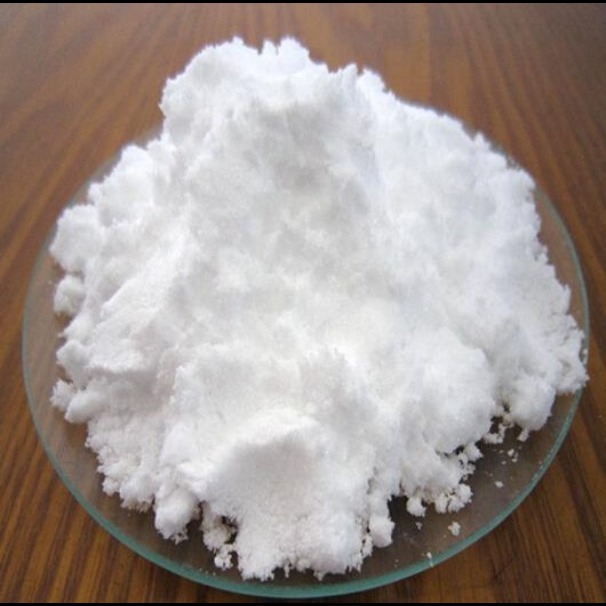
Appearance: White, crystalline / granular; highly soluble in water.
Role as Chemical Intermediate: Sodium nitrate is a versatile oxidizing intermediate used to produce nitric acid, sodium nitrite, mixed nitrate salts and other nitrogenous derivatives. In industrial syntheses it serves as a reactant, oxidizer or molten-salt medium for heat-treatment processes, enabling downstream products for fertilizers, metal treatment, glass and specialty chemicals.
Common reactions / conversions
Acidolysis to generate nitric acid (NaNO₃ + H₂SO₄ → HNO₃ + NaHSO₄)
Reduction to sodium nitrite for diazotization and specialty chemistries
Blending to create fertilizer-grade nitrate formulations
Typical specs
Purity: technical grades 95–99% ; high-purity ≥99.5%
pH (1% solution): neutral to slightly alkaline
Moisture, Na₂CO₃ and insolubles specified per grade
Packaging & storage
Bagged (25–50 kg) or bulk / jumbo bags; keep dry and sealed.
Store cool, ventilated, away from combustible/organic materials and reducing agents.
Safety
Oxidizer — avoid contact with organic matter, fuels, reducing agents.
Use dust controls, eye/skin protection, and follow SDS for handling, transport (UN 1498) and spill response.
Want a one-page product sheet (spec table, COA highlights, SDS excerpt, and a short marketing blurb) formatted for Laxmi Enterprise? I can draft it now.
Sodium Nitrate — For Wastewater Treatment (concise technical note)
Overview
Sodium nitrate (NaNO₃) is a soluble nitrate salt used in wastewater systems to supply oxidized nitrogen, control sulfide formation in sewers, and support biological denitrification/biological nutrient control when a nitrate source is required. It acts as an alternative electron acceptor that can discourage sulfate-reducing bacteria (thus reducing H₂S), and as a substrate for specialized biological processes where controlled nitrate dosing improves treatment stability.
How it works (brief)
As a nitrate donor, NaNO₃ provides NO₃⁻ for denitrifying bacteria to reduce to N₂ under anoxic conditions, aiding nitrogen removal.
In sewer networks, nitrate stimulates nitrate-reducing bacteria which outcompete sulfate reducers, lowering hydrogen sulfide generation and odor/corrosion problems.
Practical dosing (quick calculation)
NaNO₃ molar mass ≈ 85.00 g·mol⁻¹; nitrogen (N) mass ≈ 14.01 g·mol⁻¹ → nitrogen fraction ≈ 14.01/85.00 = 0.1648.
Therefore 1 g NaNO₃ supplies 0.1648 g (164.8 mg) of N.
Example: to add 10 mg N / L, required NaNO₃ = 10 ÷ 0.1648 ≈ 60.7 mg NaNO₃ per L.
Example: to add 50 mg N / L, required NaNO₃ ≈ 303.4 mg NaNO₃ per L.
Note: target N dosing varies by objective (sulfide control vs. denitrification). Start with pilot trials and monitor DO, ORP, sulfide, nitrate, and total nitrogen.
Benefits
Rapidly soluble and easy to dose (liquid solution or dry dissolve)
Reduces H₂S production and odor/corrosion in sewers
Supports controlled biological denitrification where carbon is available
Readily available, stable in storage when dry
Typical specs & form
Appearance: white crystalline/granular
Purity: technical 95–99% typical; high-purity grades available
Packaging: 25–50 kg bags, jumbo bags, or bulk
Transport: UN 1498 (oxidizing solid) — follow local regs
Handling & safety
Strong oxidizer — keep away from combustible organics, fuels and reducing agents.
Store dry, cool, ventilated and avoid contamination. Use dust control, PPE (gloves, goggles, mask). Follow SDS and local regulations.
Recommendation
Always perform a site-specific bench/pilot trial to determine effective dose and confirm impacts on nitrogen species, odour, corrosion, and downstream treatment. Laxmi Enterprise (Vadodara) can supply technical-grade NaNO₃ with COA & SDS and advise on pilot dosing protocols.
Here’s a concise, professional product note for Sodium Nitrate — Industrial Grade for Wastewater Conditioning, suitable for your catalog or website:
Sodium Nitrate — Industrial Grade for Wastewater Conditioning
Chemical Formula: NaNO₃ CAS No.: 7631-99-4
Appearance: White crystalline or granular solid Purity: 95–99% (Industrial Grade)
Overview:
Industrial-grade Sodium Nitrate is a reliable oxidizing agent used in wastewater conditioning and treatment processes. It provides a controlled source of nitrate oxygen, supporting biological denitrification and helping to prevent hydrogen sulfide (H₂S) generation in sewer and sludge systems.
Key Functions:
Acts as a nitrate donor for anoxic biological denitrification.
Controls odor and corrosion by suppressing sulfate-reducing bacteria.
Enhances oxidation potential and improves effluent quality.
Reduces toxic gas formation in anaerobic zones.
Advantages:
Fully water-soluble and easy to dose.
Non-volatile, non-flammable, and safe to handle when stored properly.
Cost-effective nitrate source for large-scale treatment systems.
Packaging:
25 kg / 50 kg HDPE bags or jumbo bags.
Supplier: Laxmi Enterprise, Vadodara — Trusted name in industrial chemicals.
Would you like me to make a marketing-friendly version of this for your website product
Sodium Nitrate — For Chemical Synthesis
Chemical Formula: NaNO₃ CAS No.: 7631-99-4
Appearance: White crystalline or granular solid Purity: 95–99.5%
Overview:
Sodium Nitrate is a versatile inorganic compound widely used as an oxidizing agent and chemical intermediate in various industrial synthesis processes. Its stable nitrate ion makes it an essential reagent for producing other nitrogen-containing compounds and oxidized products in the chemical industry.
Applications in Chemical Synthesis:
Precursor for Nitric Acid and Sodium Nitrite production.
Used in oxidation reactions for organic and inorganic compounds.
Acts as a catalyst and oxidant in manufacturing dyes, pharmaceuticals, and specialty chemicals.
Participates in the preparation of metal nitrates, glass frits, and enamel formulations.
Utilized in molten salt systems as a heat transfer and reaction medium.
Advantages:
Strong, stable oxidizing properties.
Readily soluble and compatible with many synthesis routes.
Available in multiple purity grades for specific industrial needs.
Packaging:
25 kg / 50 kg HDPE bags or jumbo bags.
Supplier: Laxmi Enterprise, Vadodara — Reliable source for high-quality industrial chemicals.
Buy Sodium Nitrate
Sodium Nitrate for Sale
Sodium Nitrate Supplier
Sodium Nitrate Manufacturers
Sodium Nitrate Wholesale
Industrial Grade Sodium Nitrate
Food Grade Sodium Nitrate
High Purity Sodium Nitrate
Sodium Nitrate Fertilizer
Nitrogen Fertilizer Supplier
Nitrate-Based Fertilizers
Crop Nutrition Solutions
Agricultural Chemicals Supplier
Sodium Nitrate Food Additive
Curing Salt Additive
Food-Grade Nitrate Preservative
Meat Curing Ingredients
Preservatives for Processed Meat
Sodium Nitrate for Explosives
Oxidizer Chemicals Supplier
Pyrotechnic Grade Sodium Nitrate
Blasting Compound Ingredients
Mining Chemicals Supplier
What is Sodium Nitrate Used For?
Sodium Nitrate vs Sodium Nitrite
Is Sodium Nitrate Safe
[[SODIUM NITRATE WASTE TREATMENT USES, LAXMI ENTERPRISE, VADODRA, GUJARAT.INDIA.]]