

Sodium Sulfate as a Drying Agent
Overview
Sodium sulfate (Na₂SO₄) is a widely used inorganic drying agent in chemical, industrial, and laboratory applications. Its primary function is to remove traces of water from organic solvents or moisture-sensitive materials.
Mechanism of Action
Anhydrous sodium sulfate absorbs water to form its decahydrate (Na₂SO₄·10H₂O).
It works by physically binding water molecules without chemically reacting with most organic compounds.
After sufficient absorption, the solid becomes clumpy, indicating saturation, and can be removed by filtration.
Applications
Laboratory Use
Drying organic solvents after extraction (e.g., ether, chloroform, dichloromethane).
Suitable for non-reactive, stable solvents.
Advantages over other drying agents:
Cheap and widely available
High capacity for water absorption
Chemically inert with most organic compounds
Industrial Use
Drying food powders, starch, and sugar products before packaging.
Used in industrial chemical processes where trace water can affect product quality.
Helps prevent clumping, spoilage, or unwanted chemical reactions.
Combination with Other Agents
Sometimes used after magnesium sulfate or calcium chloride for final trace drying due to its moderate drying capacity.
Advantages
Non-toxic and safe to handle
Chemically inert with most organic and industrial chemicals
Cost-effective and easy to store
Can absorb up to ~25% of its weight in water
Usage Guidelines
Form: Anhydrous powder
Quantity: Typically added until the solid remains free-flowing (no more clumping)
Recovery: Can be removed by filtration or decanting in liquid systems
Technical Specifications
Property Typical Value
Chemical Formula Na₂SO₄
Purity ≥ 99%
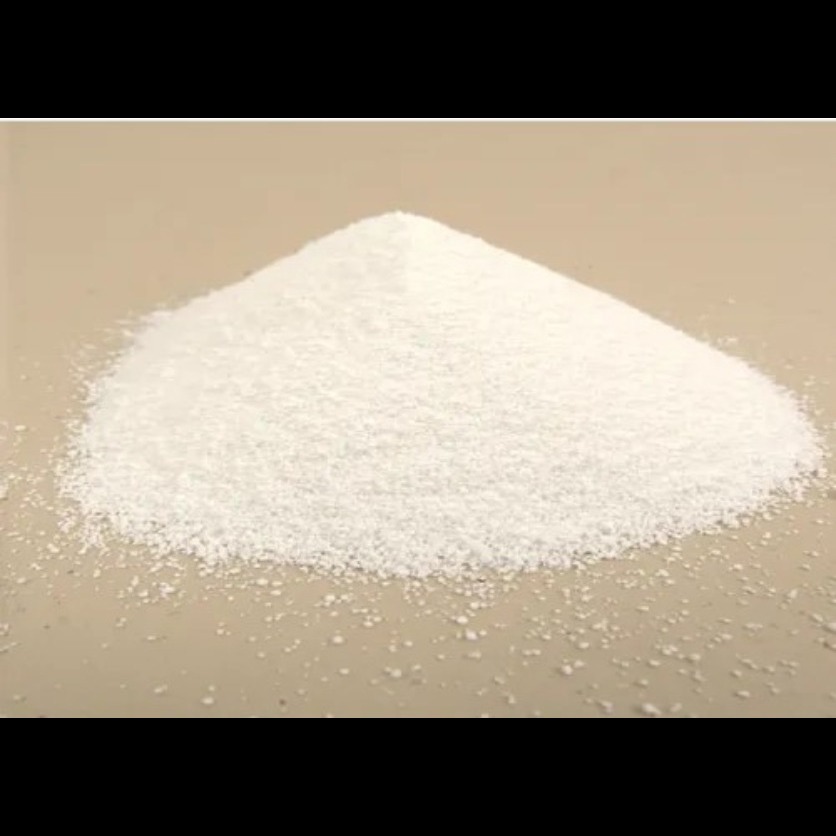
Appearance White crystalline powder
Solubility 28 g/100 g water at 25°C
Moisture Absorption Capacity ~25% of its weight
Stability Stable under normal conditions
Safety & Handling
Non-flammable, non-reactive
Avoid inhalation of dust
Store in a dry, airtight container to prevent premature hydration
Sodium Sulfate in the Baking Industry
🔹 Overview
Sodium Sulfate is used as a processing aid in baking to improve dough handling, fermentation, and final product quality. It is valued not as a flavoring agent, but for its functional properties in industrial baking processes.
🔹 Functions in Baking
Dough Conditioning
Helps stabilize gluten structure in dough.
Improves elasticity, extensibility, and handling of dough.
Reduces stickiness, making dough easier to process in large-scale production.
Moisture and Water Management
Acts as a minor drying agent to control water content in dough.
Ensures uniform moisture distribution, leading to consistent crumb structure in baked goods.
Support for Yeast Fermentation
Provides sulfate ions, which are essential for certain microbial and enzymatic processes in yeast fermentation.
Helps stabilize fermentation rate, improving dough rise and final volume.
Improvement of Product Quality
Enhances texture, uniformity, and appearance of bread, pastries, and cakes.
Reduces surface defects and uneven browning.
Industrial Baking Processes
Used in bread, cookies, cakes, and industrial mixes as a processing aid rather than a primary ingredient.
Supports consistent mass production quality and dough performance.
🔹 Benefits
Improves dough elasticity and processing consistency
Enhances crumb texture and product appearance
Supports yeast activity and fermentation
Reduces variability in industrial production
Safe and non-toxic in regulated usage levels
🔹 Usage Guidelines
Dosage: Typically 0.1%–0.5% w/w of flour, depending on the recipe and dough type.
Form: Anhydrous sodium sulfate powder is preferred for better control over moisture and ionic balance.
🔹 Technical Specifications
Property Typical Value
Chemical Formula Na₂SO₄
Purity ≥ 99%
Appearance White crystalline powder
Solubility 28 g/100 g water at 25°C
pH (1% solution) 6–8
🔹 Safety & Handling
Non-toxic, non-flammable
Handle dust with care; avoid inhalation
Store in airtight, dry containers to prevent moisture absorption
🔹 Packaging
25 kg / 50 kg HDPE bags with inner moisture-proof liner
Bulk supply available for industrial bakeries
Sodium Sulfate for Dehydration Applications
🔹 Overview
Sodium Sulfate (Na₂SO₄) is widely used as a dehydrating agent in both laboratory and industrial applications. Its primary function is to remove water from solvents, chemicals, and certain food or chemical products, improving stability, processing efficiency, and shelf life.
🔹 Mechanism of Dehydration
Anhydrous Na₂SO₄ absorbs water to form hydrated salts (mainly decahydrate Na₂SO₄·10H₂O).
It acts as a physical drying agent, binding water molecules without chemically reacting with most substances.
The degree of dehydration depends on temperature, particle size, and exposure time.
🔹 Applications in Dehydration
Laboratory Use
Drying organic solvents (ethers, hydrocarbons, chloroform, dichloromethane) after extraction.
Ideal for non-reactive, stable solvents.
Often used after other drying agents for final trace water removal.
Industrial Chemicals
Dehydrates chemical intermediates in organic synthesis or manufacturing processes.
Ensures product stability and prevents moisture-related degradation.
Food and Sugar Industry
Removes residual moisture in sugar, starch powders, and food extracts.
Helps in maintaining free-flowing powders and reducing caking.
Pharmaceuticals
Used to dry active pharmaceutical ingredients (APIs) or excipients.
Maintains product purity and shelf-life.
Oil and Gas / Chemical Processing
Helps remove trace water from industrial solvents or chemical feedstocks.
Prevents unwanted hydrolysis or side reactions in moisture-sensitive processes.
🔹 Advantages
Chemically inert with most substances
Non-toxic and safe to handle
Cost-effective and easy to use
High water absorption capacity (~25% of its weight)
Stable under ambient conditions
🔹 Usage Guidelines
Form: Anhydrous crystalline powder
Quantity: Add until the solid remains free-flowing, indicating saturation
Removal: Solid can be separated by filtration or decantation in liquid systems
🔹 Technical Specifications
Property Typical Value
Chemical Formula Na₂SO₄
Purity ≥ 99%
Appearance White crystalline powder
Solubility in Water 28 g/100 g at 25°C
Moisture Absorption Capacity ~25% of weight
Stability Stable under normal conditions
🔹 Safety & Handling
Non-flammable, non-reactive
Avoid dust inhalation; use standard PPE
Store in dry, airtight containers to prevent pre-hydration
🔹 Packaging
25 kg / 50 kg HDPE bags with moisture-proof line