

Role of Sodium Sulfate in Detergent Formulation
Sodium sulfate is widely used as a filler or diluent in powder detergents. It doesn’t contribute to cleaning directly but serves critical functional and economic purposes.
Functions:
Filler/Diluent: Balances the concentration of active ingredients like surfactants, builders, and enzymes.
Flow Aid: Improves powder flowability and reduces caking during storage.
Drying Aid: Helps control moisture during spray drying of detergent slurry.
Density Adjuster: Used to achieve the desired bulk density for packaging and consumer perception.
2. Cost Reduction Mechanisms
Aspect How Sodium Sulfate Reduces Cost
Raw Material Substitution Replaces more expensive active ingredients (e.g., surfactants, builders) partially.
Manufacturing Efficiency Enhances spray drying performance, reducing energy and equipment wear.
Packaging Optimization Allows control over product density, which can reduce packaging material cost per kg.
Process Simplification Easier mixing and drying reduce overall production time.
Typically, replacing 10–30% of the detergent base with sodium sulfate can reduce the total raw material cost by 8–20%, depending on formulation and market prices.
3. Optimal Usage Level
Detergent Type Typical Na₂SO₄ Range Purpose
Low-cost Laundry Powder 25–50% Bulk filler and density control
Mid-range Powder 10–25% Cost balance without losing performance
Premium / Concentrated Powder <10% Limited use, focus on high performance
Liquid Detergents 0% Not used — insoluble in liquid formulations
4. Practical Implementation Tips
Use Anhydrous Sodium Sulfate (99% purity) – ensures consistency and prevents moisture issues.
Blend Uniformly – uneven distribution can affect powder appearance and performance.
Monitor Density – maintain target bulk density (typically 400–800 g/L).
Quality Testing – check detergent activity, moisture, and particle size distribution after substitution.
Supplier Sourcing – industrial-grade sodium sulfate is inexpensive and widely available in India (e.g., Gujarat, Rajasthan).
5. Economic Example (Illustrative)
Component Base Formulation (₹/kg) With 25% Na₂SO₄ (₹/kg)
Surfactants, Builders, Enzymes ₹80 ₹60
Sodium Sulfate — ₹10
Total Raw Material Cost ₹80/kg ₹70/kg
Cost Reduction — ≈12–15%
6. Points to Watch
Too much sodium sulfate can lower cleaning power and customer satisfaction.
Moisture sensitivity — requires controlled humidity in storage.
Environmental impact — though inert, excessive use adds to wastewater TDS.
7. Alternatives for Further Savings
Partial substitution with zeolite, sodium carbonate, or sodium chloride in specific formulations.
Optimize surfactant blends for better cost-performance ratio.
Recover sodium sulfate as a by-product from other chemical processes (e.g., HCl neutralization, Glauber’s salt).
Overview
Chemical name: Sodium Sulfate (Na₂SO₄)
Forms available:
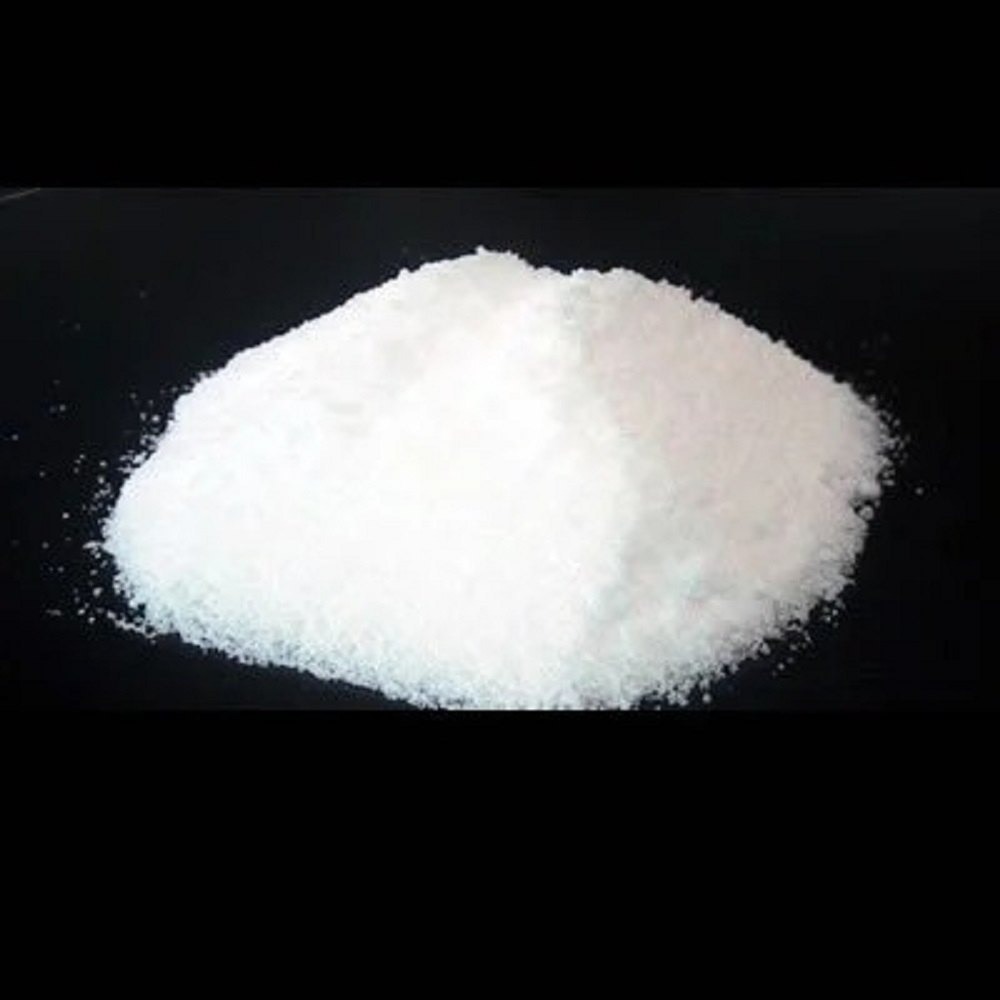
Anhydrous (white crystalline powder or granules)
Decahydrate (Glauber’s salt) – contains water of crystallization, less stable for storage
Main hazards: Generally non-toxic and non-flammable, but can cause dust-related irritation and caking under moisture.
2. Handling Precautions
Aspect Recommendations
Personal Protection Use safety goggles, gloves, and dust mask (N95 or equivalent) to avoid irritation.
Dust Control Handle in well-ventilated areas; use dust extraction or local exhaust systems.
Spillage Sweep up dry material — avoid wet cleaning methods to prevent slipping and caking.
Compatibility Avoid contact with strong acids (may release sulfuric acid fumes).
Material Transfer Use screw conveyors, pneumatic conveyors, or belt systems designed for dry powders.
Packaging Use HDPE-lined woven sacks, jumbo bags (500–1000 kg), or bulk silos. Ensure moisture barrier lining.
3. Storage Conditions
Parameter Recommended Practice
Storage Area Cool, dry, well-ventilated warehouse or silo room.
Flooring Impermeable, moisture-free concrete with proper drainage.
Temperature Ambient temperature below 40°C. Avoid direct sunlight and heat sources.
Humidity Keep below 60% RH to prevent clumping or crystallization.
Stacking Stack bags on wooden or plastic pallets, not directly on floor. Max 10–12 bags per stack.
Pest Control Though inorganic, keep area clean to avoid contamination.
Silo Storage Use carbon steel or stainless steel silos with conical bottom for smooth discharge. Include aeration system if powder tends to compact.
4. Moisture and Caking Control
Store in airtight packaging or closed silos to minimize moisture absorption.
Use desiccant packets or dehumidifiers in humid climates.
Regularly rotate stock (FIFO) to prevent long-term compaction.
For large-scale handling, install vibrators or fluidizing pads in hoppers to ensure smooth discharge.
5. Bulk Transport
Transport Mode Key Considerations
Truck (Jumbo Bags) Use tarpaulin cover to protect from rain and humidity.
Bulk Tanker (Pneumatic) Ensure dry and clean tanker; avoid contamination with hygroscopic materials.
Rail Wagon / Container Lined with moisture-proof sheets. Label properly as “Non-hazardous Inorganic Salt.”
6. Safety & Environmental Notes
Non-hazardous substance (per GHS classification).
Avoid disposal in natural waterways — contributes to total dissolved solids (TDS) pollution.
Dispose via controlled landfill or reuse in other industrial applications.
Refer to MSDS (Material Safety Data Sheet) for sodium sulfate before bulk operations.
7. Best Practices Summary
Glauber's salt
- mirabilite
- thenardite
- sulfate of soda
- salt cake
- disodium sulfate
- sodium sulphate supplier
- sodium sulphate manufacturer
- sodium sulphate exporter
- bulk sodium sulphate
- industrial sodium sulphate
- sodium sulphate price
. Keep material dry and sealed at all times.
. Use pallets and waterproof covers for bag storage.
. Maintain FIFO inventory rotation.
. Prevent dust generation during handling.
. Inspect silos and conveyors regularly for blockages or corrosion.