

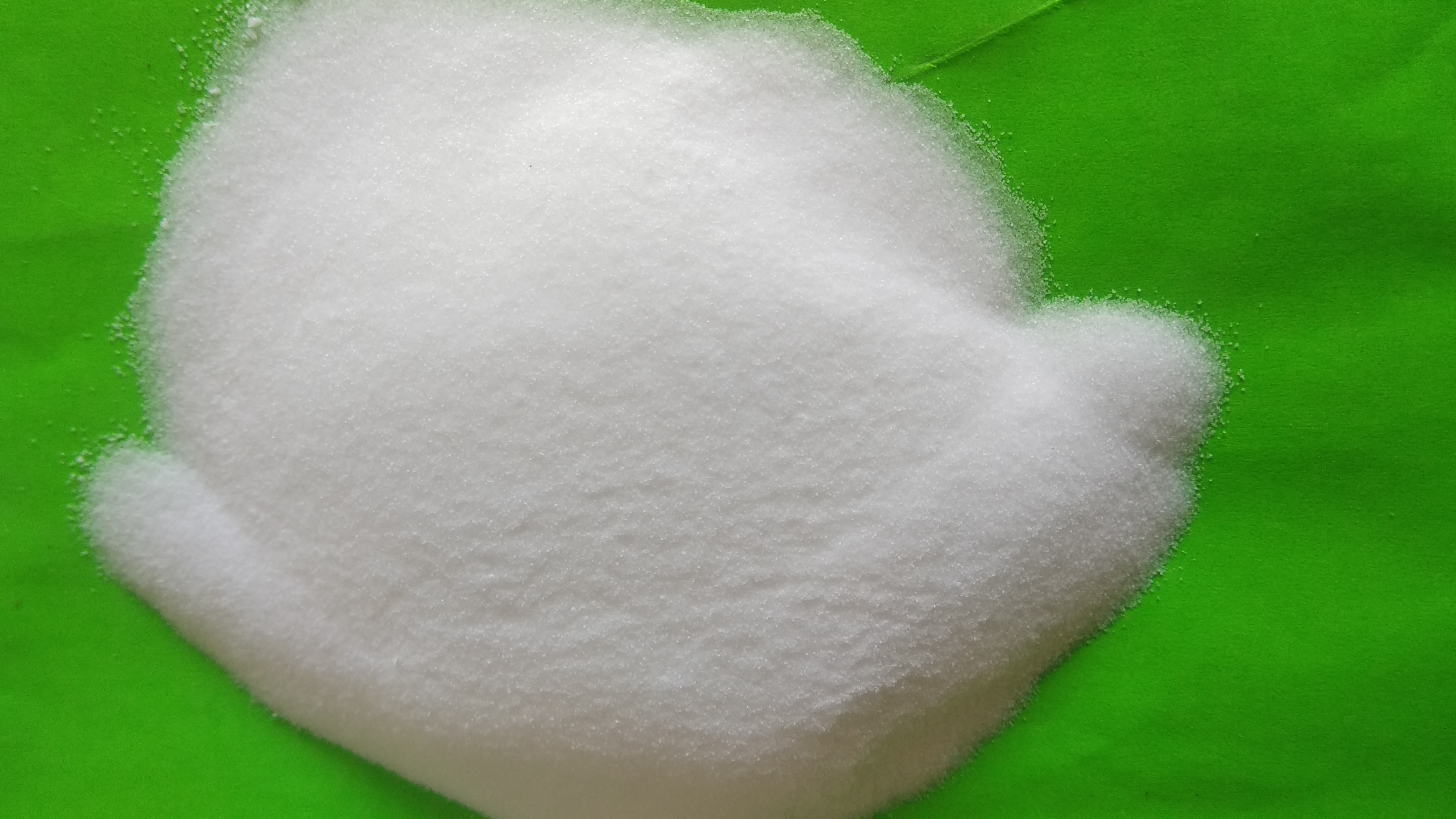
Sodium Sulfate Interference in Water Analysis (with emphasis on Ion Chromatography & routine wet-chemistry methods) Sodium sulfate (Na₂SO₄) is a major source of analytical interference in water testing because sulfate is highly conductive, divalent, and often present at high concentration.
Key Reasons
- Very high ionic strength
- Divalent SO₄²⁻ → strong effect on eluent & suppressor
- Often present at 100–10,000+ ppm
- Late-eluting anion → overloads column & suppressor
ProblemCauseMasking of nearby peaksSulfate overloadSuppressor saturationExcess SO₄²⁻Baseline drift / noiseIncomplete suppressionReduced sensitivityHigh background conductivityRT shiftsColumn overloading
Nitrate
Nitrite
Phosphate
Chloride (at high sulfate)
Organic acids (acetate, formate)
Sulfate Stress Test
Inject:
- Nitrate standard (e.g. 10 ppm)
- Sulfate at 500, 1000, 2000 ppm
Sample Pretreatment (Best Practices)
1. Dilution (Most Reliable)
- Reduce sulfate load
- Adjust injection volume accordingly
AdjustmentBenefitLower injection volumePrevents overloadHigher eluent strengthSharpens sulfateLonger columnBetter resolutionHigher suppressor currentHandles sulfate loadColumn designed for high sulfateImproves Rs
Gravimetric Sulfate
- Sodium sulfate itself is the analyte
- High Na⁺ irrelevant
Turbidimetric Sulfate (BaCl₂)
- High Na⁺ → minor effect
- High ionic strength → affects turbidity stability
StandardSulfate GuidanceEPA 300.0 / 300.1Requires dilution for high sulfateISO 10304Warns of suppressor overloadUSP <621>Specificity must be demonstrated
“High sulfate levels were shown not to interfere with nitrate quantification following appropriate sample dilution. Resolution, recovery, and system suitability criteria were met.”
Sodium sulfate causes interference mainly by suppressor and column overload, not by co-elution.
Proper dilution, sulfate removal, and method optimization are essential for reliable nitrate and trace anion analysis.
Design a sulfate-tolerant IC method
Recommend specific columns/suppressor settings
Create a step-by-step interference validation protocol
Help with Barium sulfate pretreatment SOP
Peak masking occurs when a large sulfate peak:
- Overloads the column and/or suppressor
- Causes baseline elevation or tailing
- Obscures nearby or smaller analyte peaks
- Loss of resolution (Rs ↓)
- Reduced sensitivity
- Inaccurate quantitation
Physicochemical Reasons
- Divalent charge (−2) → stronger retention
- High equivalent conductivity
- Elutes late with long tailing
- Present at 100–10,000+ ppm in many waters
- AnalyteTypical EffectNitratePartial tail overlap, area suppressionNitriteShoulder / co-elutionPhosphateReduced peak heightChlorideBaseline distortionOrganic acids (acetate, formate)Noise, poor integration
Sulfate Stress Test
Inject:
- Nitrate standard (10 ppm)
- Add sulfate at 500, 1000, 2000 ppm
Acceptance:
- Nitrate RT shift ≤ ±0.05 min
- Area bias ≤ ±5%
- Rs (NO₂⁻ / NO₃⁻) ≥ 1.5
Dilution (Gold Standard)
- Reduce sulfate load
- Maintain detection limits by larger injection if needed
2. Selective Sulfate Removal
Sodium Sulfate (Na₂SO₄) – Conductivity Response
(Relevance to water analysis & ion chromatography)
Sodium sulfate shows a strong conductivity response because it fully dissociates into three ions and contains a divalent anion, which strongly influences measured conductivity—especially in suppressed conductivity IC and bulk water testing.
- Produces 3 charge carriers per molecule
- Sulfate (SO₄²⁻) has high equivalent conductivity
- Sodium ions add additional background conductivity
Result: High signal per ppm compared to monovalent salts.
Ionλ° (S·cm²/mol)Na⁺~50SO₄²⁻~160
Why Sulfate Gives a Very Large Peak
- After suppression:
- Na2SO4+H+→H2SO4text{Na}_2text{SO}_4 + text{H}^+ rightarrow text{H}_2text{SO}_4Na2SO4+H+→H2SO4Sulfuric acid is still highly conductive
- Unlike weak acids (acetate, carbonate), sulfate remains strong
➡ Sulfate peaks are tall, broad, and late-eluting
AnionRelative SignalFluorideLowChlorideModerateNitrateModerateSulfateVery highPhosphateHigh
Common Problems
- Suppressor overload
- Baseline elevation after sulfate peak
- Masking of nitrate / nitrite
- Reduced sensitivity for late-eluting ions
In anion IC, sulfate (SO₄²⁻) suppression is more demanding than monovalent anions because sulfate is divalent, highly conductive, and often present at high concentration. Proper suppression is critical to avoid baseline drift, peak masking, and loss of sensitivity.
Sodium ions are exchanged for H⁺
Eluent background is neutralized
Analyte becomes sulfuric acid
ReasonImpactDivalent chargeRequires 2× suppressor capacity per moleStrong acid after suppressionHigh residual conductivityHigh sample levelsSuppressor overloadLate elutionLong tailing, baseline elevation
Equivalent Load Rule
- 1 mmol SO₄²⁻ = 2 meq
- Suppressor must handle eluent + sample sulfate load
Sample Load Control (Most Important)
- Dilution (1:5 to 1:50 common)
- Reduce injection volume (5–10 µL)
ActionBenefitIncrease suppressor currentMore H⁺ capacityUse high-capacity suppressorPrevent overloadEnsure proper regenerationStable performance
AdjustmentEffectLower eluent concentrationReduces suppressor demandGradient elutionControls sulfate elutionLonger columnSharper sulfate peakGuard columnProtects main column
Electrolytic suppressors (preferred for sulfate)
Continuously regenerated suppressors
Matrix Elimination Cartridges (MEC) for sulfate
Dual suppressor setup (high-load systems)
ParameterRequirementBaseline after sulfateReturns to zeroSulfate peak tailing≤ 2.0Nitrate S/N≥ 10Area RSD (n=5)≤ 2%
“The suppressor capacity was sufficient to handle high sulfate matrices following appropriate sample dilution. No baseline drift or analyte masking was observed.”
Key Takeaway
Sulfate is never “fully silent” in suppressed IC.
Good sulfate suppression is achieved by controlling ionic load, not by trying to eliminate sulfate conductivity entirely.
Calculate maximum sulfate load your suppressor can handle
Optimize current, eluent, and injection volume
Design a sulfate stress & validation protocol
Provide a BaSO₄ pretreatment SOP
- sodium sulphate supplier in Vadodara
- sodium sulphate manufacturer in Gujarat
- buy sodium sulphate in India
- sodium sulphate exporter Asia Pacific
- Glauber's salt
- mirabilite
- thenardite
- sulfate of soda
- salt cake
- disodium sulfate