

Regulatory Status
FSSAI (India)
Sodium sulphate not allowed as a preservative.
Permitted only as an additive in small amounts for specific processed foods (mainly as a processing aid).
FDA (USA)
Classified as GRAS only for certain technical uses.
Not allowed for curing or preservation.
EU EFSA
Listed as a food additive (E514)
Only for limited technical processing uses
Not approved for meat curing or preservation
3. No Role in Meat/Fish Curing
Sodium nitrate/nitrite are curing agents.
Sodium sulphate is not.
It:
Does not prevent spoilage
Does not protect against botulism
Cannot improve shelf life
Cannot be used in brines or cured-meat formulations
Using it in curing would be unsafe and illegal under food regulations.
1. Why Sodium Sulphate Is NOT Used for Food Preservation
It does not inhibit Clostridium botulinum, Listeria, or spoilage bacteria.
It does not fix color in meat.
It does not produce nitrosomyoglobin,
which gives cured meat its pink color (the function of nitrates/nitrites).
It cannot prevent oxidation or rancidity.
Regulatory agencies place strict limits on sulphate addition to food.
2. Limited, Indirect Uses of Sodium Sulphate in the Food Industry
A. As a Processing Aid (Not a Preservative)
In very specific cases, sodium sulphate may be used as:
A drying agent in certain extraction processes
A buffering salt in carbohydrate or sugar refining
A density-adjusting salt in certain starch modifications
A filler in some baking powders (rare; most formulations use sodium bicarbonate + acid salts)
In Animal Feed Supplements (Not Human Food)
Sometimes used as a:
Sulphur source
Ionic balance salt
But again, not for preservation.
FDA (USA)
Classified as GRAS only for certain technical uses.
Not allowed for curing or preservation.
Sodium Sulphate in Food Preservation and Curing – Clarification
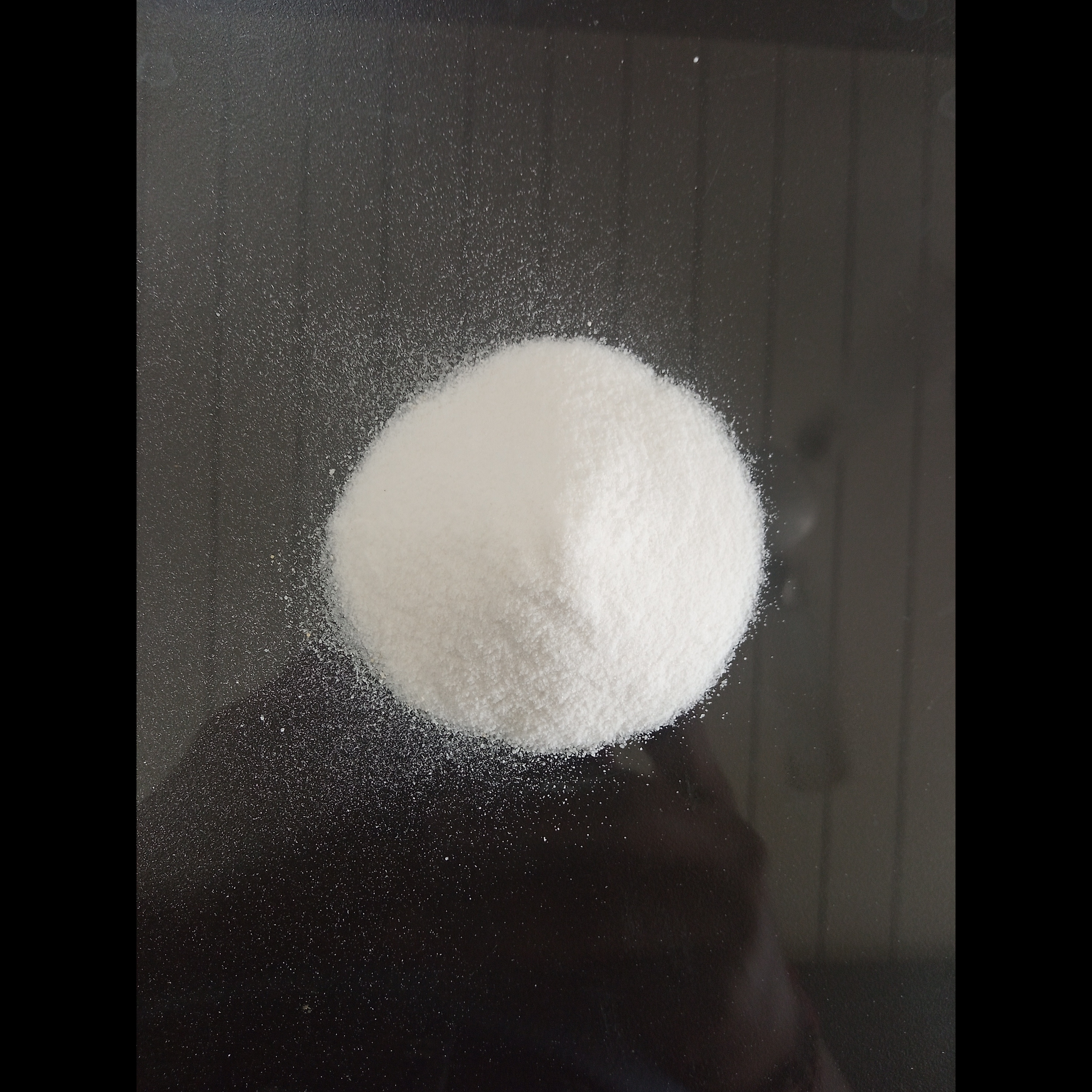
Sodium sulphate (Na₂SO₄) is NOT used as a preservative or curing agent in the food industry.
Unlike sodium nitrate/nitrite,
sodium sulphate has no antimicrobial or curing properties,
and food safety regulations (FSSAI, FDA, EU) do not permit sodium sulphate as a preservative in meat,
fish, or any cured foods
2. Limited, Indirect Uses of Sodium Sulphate in the Food Industry
A. As a Processing Aid (Not a Preservative)
In very specific cases, sodium sulphate may be used as:
A drying agent in certain extraction processes
A buffering salt in carbohydrate or sugar refining
A density-adjusting salt in certain starch modifications
Why Sodium Sulphate Is Used in Agriculture
Sodium sulphate provides:
Sulphur (S) → essential for protein synthesis, chlorophyll formation, oil production
Sodium (Na) → beneficial micronutrient in small quantities for certain crops
Sulphate ion (SO₄²⁻) → readily available to plants
Sulphur deficiency is increasing in many Indian soils due to intensive farming,
making sulphate salts useful as supplements.
Corrects Sulphur Deficiency in Neutral to Alkaline Soils
In many Indian states (Gujarat, Rajasthan, MP), soils deficient in sulphur respond well to sodium sulphate supplementation.
Source of Plant-Available Sulphur
Plants absorb sulphur mainly as SO₄²⁻, which sodium sulphate supplies directly.
Sulphur is essential for:
Oilseed crops (mustard, sesame, groundnut, sunflower)
Pulses
Onion & garlic (high sulphur need)
Cabbage, cauliflower, broccoli
Sugarcane
Improves Oil Content in Oilseed Crops
Sulphur application significantly increases:
Oil percentage
Seed weight
Crop quality
Sodium sulphate is a low-cost sulphur source for these crops.
* Promotes Protein Formation in Cereals & Pulses
Sulphur is essential for amino acids like cysteine and methionine.