
What “suppressed conductivity” actually means (in plain terms)
You’re measuring sulfate (SO₄²⁻) not by light or color, but by how much it conducts electricity after the background conductivity of the eluent has been chemically removed (suppressed).
Why it’s powerful:
- Carbonate / hydroxide eluents conduct a LOT → bad signal-to-noise
- A suppressor converts the eluent into weakly conducting species (like water + CO₂)
- Sulfate stays ionic → strong, clean signal
Chemistry behind sulfate detection
Example with carbonate eluent
Before suppressor
- Eluent: Na₂CO₃ / NaHCO₃ → very high conductivity
- Sulfate elutes as Na₂SO₄
Inside suppressor
- Na₂CO₃ → H₂CO₃ → CO₂ + H₂O (low conductivity)
- Na₂SO₄ → H₂SO₄ (still highly conductive)
ample prep essentials (don’t skip these)
- Filter 0.45 µm (0.22 µm if very turbid)
- Dilute high-TDS samples
- Avoid acidification unless method demands it
- For heavy organics → dilute or oxidize lightly
Why suppressed conductivity is preferred for sulfate
- No derivatization
- Extremely sensitive
- Excellent for high & low sulfate ranges
- Works across environmental, boiler, effluent & groundwater samples
- Regulatory-accepted worldwide (APHA, ISO, EPA)
If you want, I can:
- Write a full SOP for sulfate by suppressed IC
- Help you optimize eluent + suppressor current for your column
- Explain sulfate vs nitrate separation tuning
- Or decode your actual chromatogram
Drinking Water Standards
🇮🇳 India (BIS – IS 10500:2012 / 2015)
- Acceptable limit: 200 mg/L
- Permissible limit (in absence of alternate source): 400 mg/L
- Reason: Taste, laxative effect at high concentration
- Method references:
- Ion Chromatography
- Turbidimetric (BaSO₄)
- Gravimetric (BaSO₄)
🇺🇸 USA (EPA – Secondary Drinking Water Regulations)
- Secondary Maximum Contaminant Level (SMCL): 250 mg/L
- Non-mandatory (aesthetic-based)
- Methods accepted:
- EPA 300.0 / 300.1 (Ion Chromatography)
- Turbidimetric methods
WHO (Guidelines for Drinking-water Quality)
- No health-based guideline value
- Practical upper level: ≈500 mg/L
- Above 250–500 mg/L → taste, gastrointestinal discomfort
Environmental Standards (Surface & Groundwater)
🇮🇳 India (CPCB – Surface Water Classification)
- Sulfate impacts water class indirectly
- Freshwater tolerance typically <300–400 mg/L
Groundwater (India & global references)
- <200 mg/L generally acceptable
- >500 mg/L → not suitable for drinking without treatment
QA/QC Requirements for Regulatory Reporting
Regulators typically expect:
- Calibration verification
- Method blank
- Duplicate samples
- Matrix spike recovery (80–120%)
- Traceability to standards
- Documented detection limits (LOD/LOQ)
Reporting Units & Compliance Notes
- Always report as: mg/L as SO₄²⁻
- Avoid reporting “as S” unless clearly specified
- Dilution must be documented
- Preservation & filtration method must be recorded
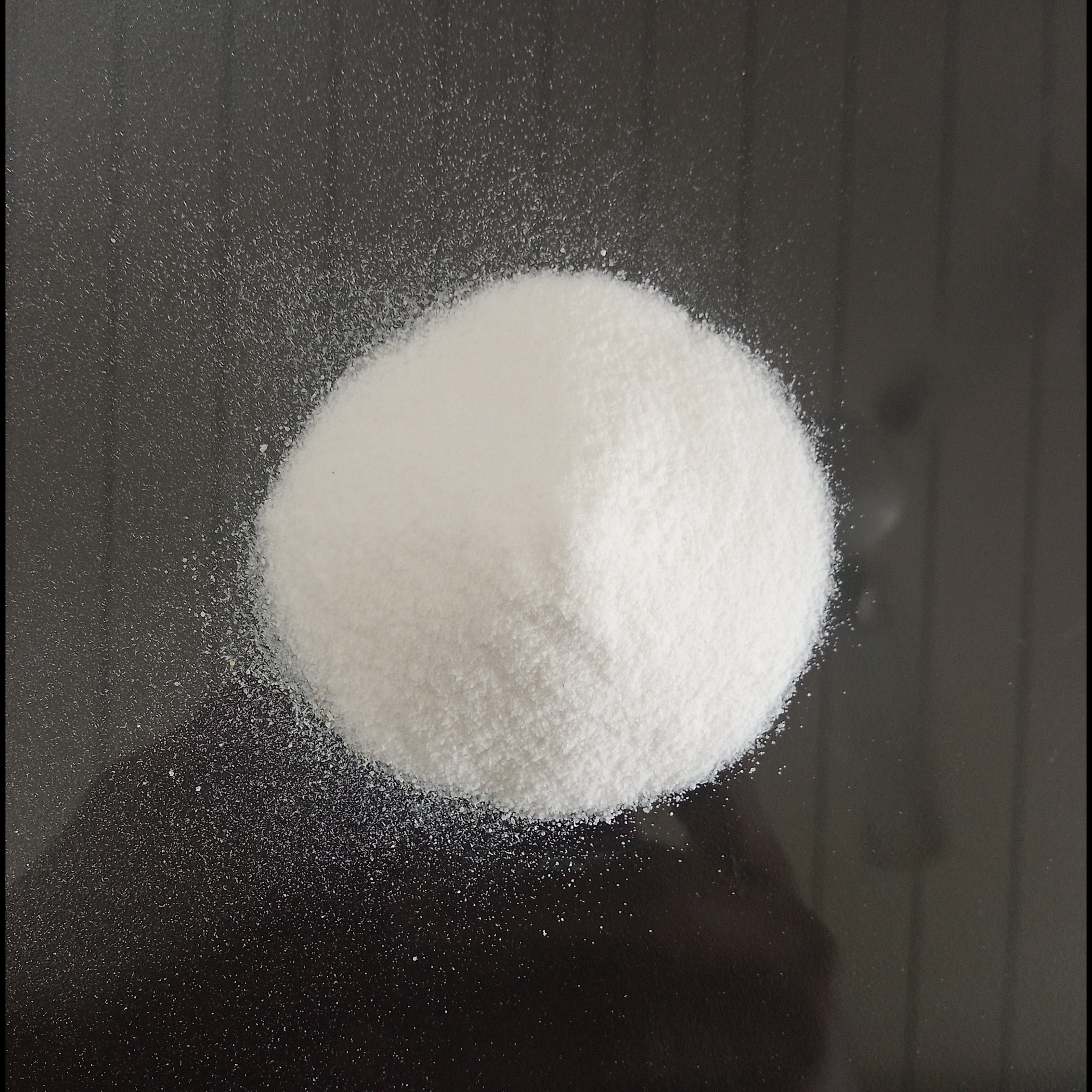
Sodium sulfate supplier India
Sodium sulfate manufacturer
Sodium sulfate price per kg
Sodium sulfate bulk suppliers
Industrial chemicals sodium sulfate
Sodium sulfate technical data sheet
Buy sodium sulfate online
Sodium sulfate Vadodara supplier
Sodium sulfate for detergent use
Application Limit (mg/L as SO₄²⁻) Drinking water (India) 200 (acceptable), 400 (max) WHO (guideline) ~500 (practical) EPA (USA) 250 (secondary) EU drinking water 250 Industrial effluent (typical India) 1000–2000* Boiler feed (industry) <50–150
Ion Chromatography (Most Preferred)
APHA 4110 B
EPA 300.0 / 300.1
ISO 10304-1
Detection limit: µg/L range
Required for compliance-grade reporting
Turbidimetric (Barium Sulfate)
- APHA 4500-SO₄²⁻ E
- Suitable for routine monitoring (≥10 mg/L)
Gravimetric (High concentration)
- APHA 4500-SO₄²⁻ C
- Used when sulfate is very high (>1000 mg/L)