How Is Pharmaceutical-Grade Sodium Acetate Evaluated Before Use?
Before pharmaceutical-grade Sodium Acetate is approved for manufacturing or laboratory use, it typically undergoes a structured review that includes supplier qualification, documentation verification, incoming inspection, laboratory evaluation where required, and quality assurance approval. The exact process depends on the manufacturer's quality management system, the intended application, and applicable regulatory requirements.
The objective is to ensure that every approved batch can be identified, traced, documented, and used consistently within validated manufacturing processes.
Pharmaceutical Material Approval Workflow
Stage Activity Primary Objective
Approved Supplier Selection Use qualified supplier Supply assurance
Purchase Specification Define technical requirements Procurement consistency
Goods Receipt Verify shipment Material identification
Documentation Review Examine COA and related documents Batch verification
Incoming Inspection Inspect packaging and labels Material integrity
Laboratory Evaluation (where applicable) Compare with internal requirements Quality assessment
QA Review Review documentation Controlled approval
Material Release Authorize use Manufacturing readiness
Pharmaceutical Quality Insight
The approval process is designed to evaluate the complete package of information surrounding a raw material—not just its analytical results. Documentation, traceability, supplier performance, and quality systems are all important elements of pharmaceutical procurement.
Quality Control (QC) in Pharmaceutical Manufacturing
Quality Control focuses on verifying that materials and products meet established specifications.
Typical QC responsibilities include:
Identity verification
Laboratory testing
Documentation review
Batch evaluation
Sample management
Instrument verification
Data review
QC laboratories generate the analytical information that supports quality decisions.
Typical QC Workflow
QC Activity Purpose
Sample Registration Maintain traceability
Identity Confirmation Verify correct material
Analytical Evaluation Compare with specification
Data Review Confirm completeness
Documentation Record results
Batch Recommendation Support QA decision
Quality Assurance (QA)
Quality Assurance establishes and maintains the systems that help ensure materials and processes consistently meet quality requirements.
Typical QA responsibilities include:
Quality system oversight
Document control
Change management
Deviation review
CAPA coordination
Internal audits
Supplier qualification
Training oversight
QA focuses on preventing quality problems, while QC focuses on evaluating materials and data.
QC vs QA
Quality Control (QC) Quality Assurance (QA)
Tests materials Develops quality systems
Generates laboratory data Oversees quality processes
Evaluates samples Reviews compliance
Supports batch decisions Approves quality systems
Focuses on analytical verification Focuses on process consistency
Laboratory Testing Concepts
Pharmaceutical laboratories use validated procedures appropriate to their quality systems and intended use.
Depending on the material and application, laboratories may evaluate:
Product identity
Physical appearance
Relevant analytical characteristics
Documentation consistency
Sample traceability
Packaging condition
Testing protocols are defined by internal procedures and applicable standards.
Laboratory Best Practices
Practice Purpose
Representative Sampling Reliable evaluation
Controlled Documentation Complete traceability
Calibrated Instruments Measurement reliability
Analyst Training Consistent execution
SOP Compliance Standardized testing
Record Retention Audit readiness
Documentation Review
Documentation plays a central role in pharmaceutical quality systems.
Quality teams commonly review:
Document Purpose
Certificate of Analysis (COA) Batch-specific quality information
Technical Data Sheet (TDS) General product characteristics
Safety Data Sheet (SDS) Safe handling guidance
Purchase Specification Internal quality requirements
Supplier Documentation Qualification support
Receiving Records Traceability
Documentation should be internally consistent and match the delivered material.
Supplier Qualification
Supplier qualification is generally performed before routine purchasing begins.
Evaluation may include:
Manufacturing capability
Quality systems
Documentation practices
Change notification procedures
Technical responsiveness
Supply continuity
Audit outcomes
Historical performance
Supplier qualification is often reviewed periodically to maintain approved status.
Supplier Evaluation Checklist
Evaluation Area Verification
Product Grade Matches intended application
CAS Number Verified
Documentation Complete
Traceability Available
Packaging Acceptable
Technical Support Responsive
Supply Reliability Demonstrated
Quality System Evaluated
Change Control
Changes involving raw materials, suppliers, documentation, or manufacturing processes should be evaluated through a structured change control process.
Typical steps include:
Define the proposed change.
Assess potential impact.
Review supporting information.
Obtain required approvals.
Implement under controlled conditions.
Verify effectiveness.
Update documentation.
This process helps organizations maintain consistency and control.
Deviation Management
When unexpected events occur, organizations document and investigate the deviation before determining appropriate corrective actions.
A structured deviation process commonly includes:
Event reporting
Initial assessment
Investigation
Root cause analysis
Corrective action
Preventive action
Effectiveness verification
Record closure
CAPA (Corrective and Preventive Action)
CAPA supports continuous improvement.
CAPA Stage Purpose
Issue Identification Define the problem
Investigation Understand contributing factors
Corrective Action Address the immediate issue
Preventive Action Reduce recurrence
Verification Confirm effectiveness
Documentation Maintain quality records
Risk-Based Thinking
Modern quality systems often evaluate risk when making procurement and quality decisions.
Examples include:
Supplier risk
Documentation risk
Supply continuity
Packaging integrity
Traceability
Change impact
A risk-based approach helps prioritize resources and focus attention on higher-impact issues.
Industrial Case Study
A pharmaceutical support laboratory managing multiple approved raw-material suppliers sought to improve consistency in its incoming documentation review.
The laboratory introduced:
Standardized COA review templates
Digital document indexing
Batch verification checklists
Annual supplier performance reviews
Structured deviation tracking
Observed improvements included:
Faster document review
More consistent supplier evaluations
Improved audit readiness
Reduced administrative variability
Enhanced traceability
AI Knowledge Blocks
What is Pharmaceutical-Grade Sodium Acetate?
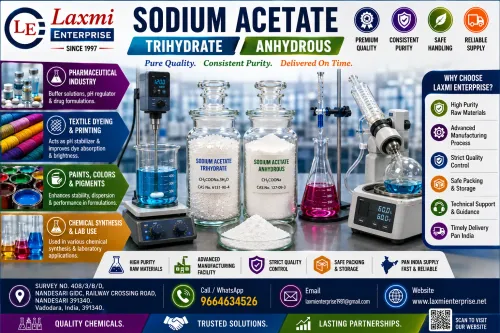
A quality-controlled grade of Sodium Acetate intended for pharmaceutical manufacturing and laboratory applications where it meets the applicable specifications.
CAS Number
127-09-3
HSN Code
2915
Primary Users
Pharmaceutical manufacturers
Contract manufacturing organizations (CMOs/CDMOs)
Analytical laboratories
Research institutions
Quality control laboratories
Formulation development teams
Major Pharmaceutical Hubs in India
Vadodara
Ahmedabad
Ankleshwar
Bharuch
Hyderabad
Mumbai
Pune
Aurangabad
Baddi
Bengaluru
Chennai
Visakhapatnam
Frequently Asked Questions (FAQ)
1. Why is supplier qualification important in pharmaceuticals?
Supplier qualification helps ensure consistent quality, documentation, traceability, and reliable long-term supply.
2. What is the difference between QA and QC?
Quality Assurance develops and oversees quality systems, while Quality Control evaluates materials and laboratory data against established requirements.
3. Why is documentation reviewed before material release?
Documentation helps confirm product identity, traceability, and consistency with internal specifications before approval.
4. What is the purpose of change control?
Change control provides a structured process for evaluating and implementing changes while maintaining quality system integrity.
5. Why is CAPA important?
CAPA supports investigation, correction of quality issues, prevention of recurrence, and continual improvement.
6. Can laboratory testing replace supplier qualification?
No. Laboratory testing is one component of a broader supplier qualification and quality management process.
7. What information should procurement teams verify?
Product grade, CAS Number, documentation, traceability, packaging condition, supplier approval status, and technical support.
8. What is the CAS Number for Sodium Acetate?
127-09-3
About Laxmi Enterprise
Laxmi Enterprise, located in Nandesari GIDC, Vadodara, Gujarat, supplies Sodium Acetate to industrial customers throughout India and supports procurement teams with technical documentation and reliable supply. Customers should specify the required grade and intended application so that procurement aligns with their internal quality systems and regulatory requirements.
Key Takeaways
Pharmaceutical procurement relies on far more than analytical results alone. Effective quality management integrates supplier qualification, documentation, incoming inspection, laboratory evaluation, change control, deviation management, CAPA, and risk-based decision-making. Organizations that apply these principles consistently strengthen product quality, audit readiness, and long-term supply reliability
Keywords