How to Reduce Procurement Risk When Buying Sodium Sulphate in Bulk
Bulk purchasing is one of the most important responsibilities of an industrial procurement team. A well-planned purchase supports uninterrupted production, improves inventory management and helps maintain healthy customer relationships. On the other hand, one poor procurement decision can affect manufacturing schedules, increase operating costs and create avoidable business risks.
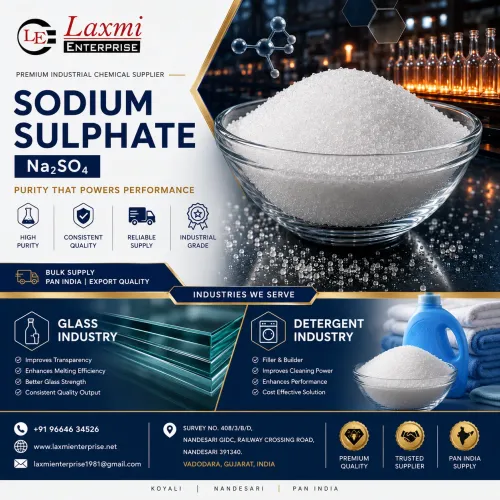
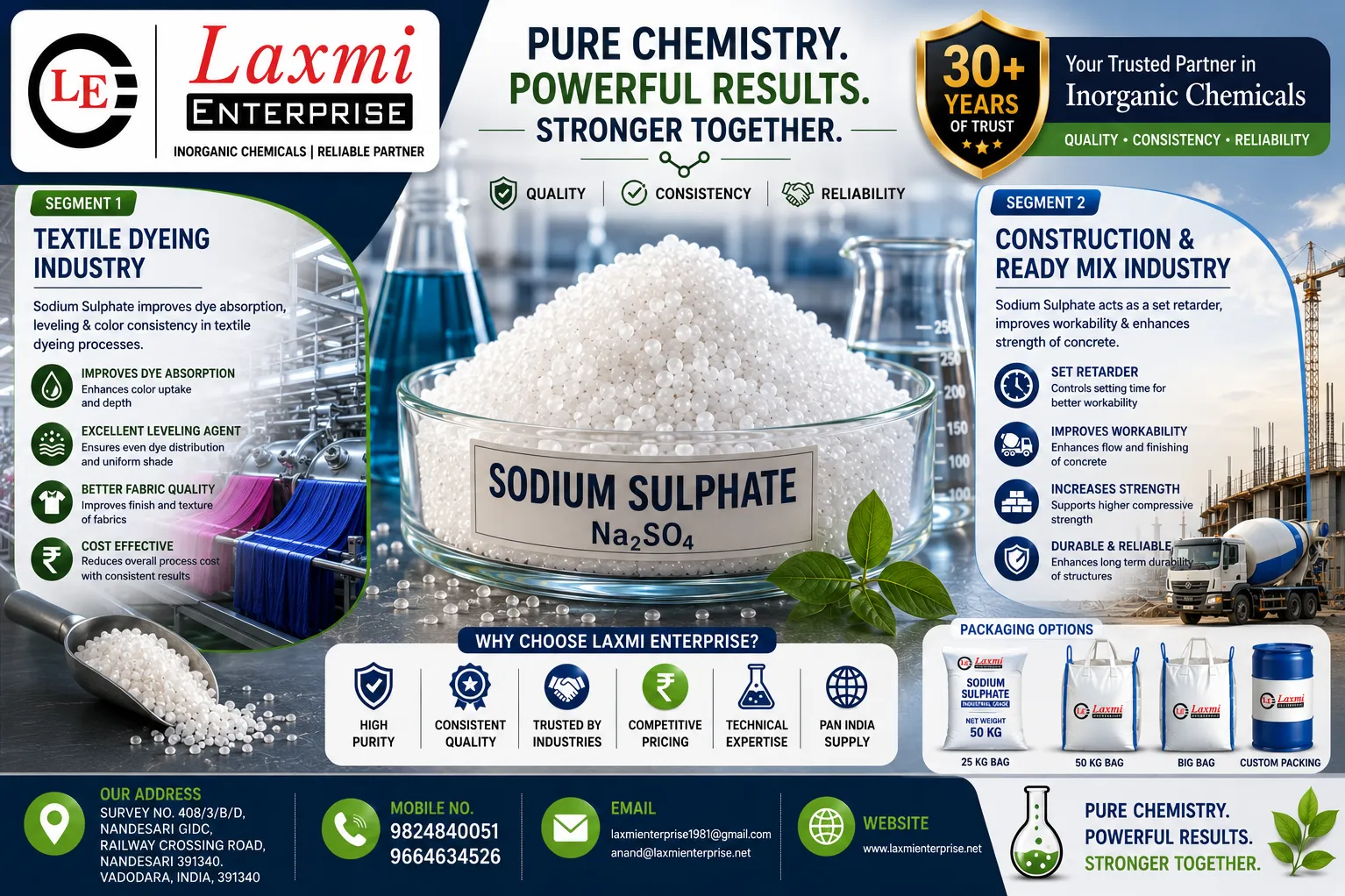
Sodium Sulphate is widely used across industries including detergents, glass, textiles, paper, ceramics and chemical manufacturing. Since many of these industries operate continuously, procurement decisions must focus on long-term reliability rather than short-term savings.
Reducing procurement risk is not about eliminating uncertainty completely. It is about identifying potential risks early and creating systems that minimise their impact.
The following practical strategies can help manufacturers build a stronger and more reliable Sodium Sulphate procurement process.
Understand the Risks Before Purchasing
Every procurement decision carries some level of risk.
Quality variation.
Delivery delays.
Packaging damage.
Transportation issues.
Incorrect documentation.
Inventory shortages.
Communication failures.
The first step in risk management is recognising that these challenges exist.
Procurement teams that anticipate potential problems are better prepared to prevent them.
Develop Clear Purchase Specifications
Many procurement issues begin because suppliers receive incomplete purchase requirements.
Before requesting quotations, define the exact expectations.
Product grade.
Packaging requirements.
Expected monthly consumption.
Delivery schedule.
Quality documentation.
Special handling instructions.
Clear purchase specifications reduce misunderstandings and improve supplier performance.
When both buyer and supplier understand the same expectations, procurement becomes more efficient.
Select Suppliers Based on Capability
Reliable procurement begins with reliable suppliers.
Instead of comparing quotations alone, evaluate whether the supplier has the capability to support your business consistently.
Review their industry experience.
Production capacity.
Warehouse management.
Quality systems.
Delivery performance.
Customer service.
Suppliers with established operational systems are generally better prepared to support long-term manufacturing requirements.
Maintain Regular Communication
Procurement should not be limited to issuing purchase orders.
Regular communication helps suppliers understand changing business requirements.
Share production forecasts when possible.
Discuss seasonal demand.
Inform suppliers about planned shutdowns or expansion projects.
Open communication allows suppliers to prepare inventory and transportation more effectively.
Planning together reduces uncertainty for both organisations.
Avoid Last-Minute Purchasing
Emergency purchasing often increases both cost and operational risk.
Limited supplier options.
Higher transportation expenses.
Reduced negotiation opportunities.
Greater pressure on production planning.
Instead, monitor inventory regularly and place purchase orders before stock reaches critical levels.
Planned procurement supports smoother manufacturing operations.
Monitor Supplier Performance
Supplier approval is only the beginning.
Performance should be measured continuously.
Track delivery punctuality.
Review product consistency.
Evaluate packaging quality.
Monitor response times.
Collect production feedback.
Regular performance reviews help identify trends before they become significant problems.
Reliable procurement depends on continuous evaluation.
Create Contingency Plans
Unexpected situations may occur despite careful planning.
Natural events.
Transport disruptions.
Sudden increases in demand.
Temporary production interruptions.
Manufacturers should prepare contingency plans for important raw materials.
These plans may include maintaining safety stock, identifying alternate transport options or developing backup procurement strategies.
Prepared organisations recover more quickly when unexpected events occur.
Strengthen Internal Coordination
Procurement decisions should involve multiple departments.
Production understands operational requirements.
Quality evaluates incoming materials.
Warehouse teams manage inventory.
Finance reviews commercial terms.
When departments share information regularly, procurement decisions become more balanced and accurate.
Strong internal coordination reduces procurement risk significantly.
Focus on Long-Term Value
Successful manufacturers rarely evaluate suppliers based only on today's quotation.
They consider the total value delivered over many years.
Consistent product quality.
Reliable deliveries.
Professional communication.
Technical support.
Business stability.
Long-term value creates long-term operational benefits.
A dependable supplier often saves far more money than a lower purchase price alone.
Review Procurement Processes Regularly
Business requirements change over time.
Production volumes increase.
Customer expectations evolve.
Supply chains become more complex.
Procurement procedures should also be reviewed periodically.
Identify areas for improvement.
Update supplier evaluation criteria.
Improve inventory planning.
Strengthen communication systems.
Continuous improvement keeps procurement aligned with business growth.
How Laxmi Enterprise Helps Reduce Procurement Risk
At Laxmi Enterprise, we understand that every shipment of Sodium Sulphate becomes part of our customer's production process.
Operating from Nandesari GIDC, Vadodara, we supply industrial chemicals to manufacturers across India with a strong focus on consistency, reliability and professional service.
Our customers value dependable product quality, organised dispatch planning, accurate documentation and responsive communication.
We believe that reducing procurement risk begins with transparency and continues through every stage of the supply relationship.
Our goal is to become a trusted long-term partner that supports manufacturing stability and business growth.
Final Thoughts
Reducing procurement risk is not achieved through a single policy or procedure.
It requires disciplined planning, supplier evaluation, internal coordination and continuous performance monitoring.
Manufacturers that invest in strong procurement systems experience fewer production interruptions, improved inventory management and stronger supplier relationships.
Choosing the right Sodium Sulphate supplier is one of the most effective ways to strengthen your entire supply chain.
Reliable procurement creates reliable manufacturing.
Frequently Asked Questions
What is procurement risk when purchasing Sodium Sulphate?
Procurement risk includes quality variation, delivery delays, supply interruptions, packaging issues, documentation errors and communication challenges that may affect manufacturing operations.
How can manufacturers reduce procurement risk?
Manufacturers can reduce risk by selecting reliable suppliers, defining clear specifications, planning purchases in advance, monitoring supplier performance and maintaining strong communication.
Why is supplier performance monitoring important?
Continuous monitoring helps identify trends in quality, delivery and service, allowing manufacturers to address issues before they affect production.
Why should procurement teams work with production and quality departments?
Cross-functional collaboration ensures purchasing decisions support manufacturing requirements, quality standards and inventory planning.
Why do manufacturers across India choose Laxmi Enterprise?
Manufacturers across India choose Laxmi Enterprise because we supply consistent-quality Sodium Sulphate backed by dependable deliveries, professional documentation and responsive customer support. Based in Nandesari GIDC, Vadodara, we help customers reduce procurement risk through reliable industrial chemical supply and long-term business partnerships.
About Laxmi Enterprise
Laxmi Enterprise is a trusted manufacturer, supplier and distributor of industrial chemicals based in Nandesari GIDC, Vadodara, Gujarat. Since 1981, we have supplied Sodium Sulphate, Sodium Nitrate, Sodium Acetate, Tri Sodium Phosphate and a wide range of industrial chemicals to the detergent, glass, paper, textile, ceramic, construction, water treatment and chemical processing industries across India.
With more than four decades of industry experience, we are committed to providing consistent product quality, dependable logistics and responsive customer service. Our mission is to help manufacturers strengthen their supply chains, improve operational efficiency and achieve sustainable growth through reliable industrial chemical solutions.
Keywords