Sodium Acetate in Silage Additives & Livestock Feed Preservation
Silage Quality, Feed Stability, Fermentation Management, Ingredient Selection, Quality Assurance & Best Practices for Modern Livestock Farming
For dairy farms and commercial livestock operations, producing high-quality silage is just as important as manufacturing high-quality compound feed. Good silage provides a consistent supply of forage throughout the year, helping farmers maintain stable nutrition, reduce seasonal feed shortages, and improve operational efficiency.
However, silage quality depends on much more than harvesting crops and storing them in bunkers or silage bags. Crop maturity, moisture content, compaction, oxygen exclusion, storage management, and fermentation all influence the final nutritional value of the forage.
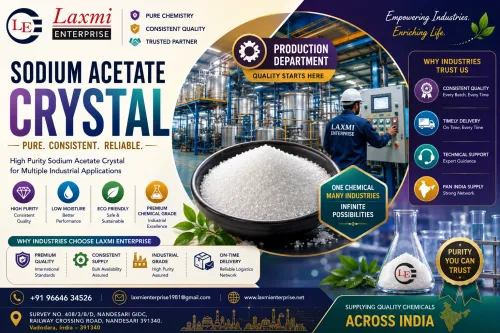
In certain commercial applications, feed-grade Sodium Acetate may be evaluated as one component of specialized silage additive formulations. Depending on the formulation and local regulations, it may contribute to buffering systems or preservation strategies developed by feed and forage specialists. Its use should always be based on scientific formulation, field validation, and compliance with applicable feed regulations.
This guide explains the science of silage preservation, how commercial silage additives are evaluated, what procurement teams should consider when selecting suppliers, and how manufacturers can maintain consistent product quality.
Understanding Silage
Silage is preserved forage produced by storing harvested crops under conditions that minimize oxygen exposure and allow controlled fermentation.
Common silage crops include:
Maize (Corn)
Sorghum
Napier Grass
Alfalfa
Ryegrass
Oats
Barley
Mixed forage crops
Proper silage helps provide livestock with a stable feed source throughout the year.
Why Silage Quality Matters
Poor silage quality can reduce feed value and increase feed losses.
High-quality silage supports:
Consistent feed availability
Better feed management
Reduced storage losses
Improved ration consistency
Efficient dairy and livestock operations
Silage quality begins in the field and continues throughout storage.
Animal Nutrition Insight
Silage preservation is about protecting the nutritional value that already exists in the harvested crop. No additive can compensate for poor harvesting practices, excessive soil contamination, or inadequate storage management.
The Science of Silage Preservation
Successful silage depends on several interconnected factors.
These include:
Crop Maturity
Harvesting at the appropriate growth stage supports better forage quality.
Moisture Content
Moisture influences fermentation and storage performance.
Excessively wet or excessively dry forage may create preservation challenges.
Oxygen Exclusion
Removing air through proper compaction and sealing helps create conditions suitable for controlled fermentation.
Compaction
Good compaction reduces trapped air and improves storage stability.
Storage Integrity
Well-maintained bunkers, bags, or silos help protect forage from environmental exposure.
Where Sodium Acetate Fits
Feed-grade Sodium Acetate may be considered as one component of certain commercial silage additive formulations.
Depending on the formulation, it may contribute to:
Buffering systems
Feed formulation objectives
Preservation strategies designed by forage specialists
Manufacturing consistency
Its role should always be evaluated as part of the complete additive formulation and according to applicable feed regulations.
Technical Insight
Commercial silage additives are formulated systems that may include organic acids, microbial cultures, enzymes, buffering agents, or other functional ingredients depending on the intended application. Sodium Acetate, where used, is only one part of the overall formulation.
Types of Silage Storage
Bunker Silos
Large concrete bunkers commonly used by commercial dairy farms.
Advantages include:
High storage capacity
Efficient filling
Suitable for mechanized operations
Silage Bags
Flexible plastic storage systems widely used by medium-sized farms.
Benefits include:
Lower infrastructure cost
Flexible storage volume
Reduced capital investment
Tower Silos
Vertical storage systems used in many traditional livestock operations.
Wrapped Bale Silage
Suitable for smaller farms and specialized forage production.
Common Causes of Silage Losses
Losses may occur because of:
Poor compaction
Oxygen infiltration
Damaged covers
Incorrect moisture
Delayed sealing
Inadequate storage management
Preventing these issues is generally more effective than correcting them later.
Manufacturing of Commercial Silage Additives
Commercial additive manufacturers typically focus on:
Consistent raw materials
Controlled manufacturing
Quality verification
Batch traceability
Stable packaging
Technical documentation
Consistency helps ensure predictable field performance.
Supplier Qualification
Silage additive manufacturers commonly evaluate suppliers based on:
Product consistency
Technical documentation
Batch reliability
Manufacturing capability
Packaging quality
Delivery performance
Technical support
Reliable suppliers reduce manufacturing variability.
Procurement Insight
Livestock producers often focus on additive price alone. However, long-term value also depends on supplier reliability, technical support, documentation, and product consistency.
Quality Assurance
Incoming raw materials commonly undergo:
Identity Verification
Confirming product identity before production.
Documentation Review
Including:
Certificate of Analysis (COA)
Product specifications
Batch identification
Packaging Inspection
Checking:
Moisture protection
Label accuracy
Package integrity
Storage Verification
Ensuring products have been stored according to manufacturer recommendations.
Packaging & Storage
Feed-grade Sodium Acetate should generally be:
Stored in a clean, dry warehouse.
Protected from moisture.
Kept in original sealed packaging.
Rotated using established inventory procedures.
Used according to manufacturer recommendations.
Traceability
Effective traceability links:
Raw material supplier
Batch number
Manufacturing records
Warehouse inventory
Customer shipment
Traceability supports quality assurance and feed safety programs.
Regulatory Considerations
Silage additives and feed ingredients are regulated differently across countries.
Manufacturers should:
Verify ingredient approvals.
Follow applicable feed regulations.
Maintain supporting documentation.
Work with qualified animal nutritionists and forage specialists.
Products intended for export should also comply with destination-country requirements.
Compliance Insight
Always verify whether a particular ingredient is approved for the intended livestock species and application in the destination market before commercial use.
Sustainability in Forage Management
Improving silage quality contributes to sustainability by:
Reducing forage waste
Improving feed utilization
Supporting efficient livestock production
Optimizing harvested crop value
Reducing unnecessary feed losses
Well-managed silage systems benefit both farm economics and resource efficiency.
Illustrative Industrial Example
A dairy cooperative experiences inconsistent silage quality among member farms.
After evaluating harvesting practices, compaction methods, and storage management, the technical team discovers that oxygen infiltration through damaged bunker covers is contributing to quality variation.
By improving sealing procedures, increasing staff training, and standardizing storage inspections, silage consistency improves across participating farms.
The outcome demonstrates that storage management often has a greater influence on silage quality than any individual additive.
Common Challenges
Challenge Possible Cause Operational Impact Recommended Action
Variable silage quality Inconsistent harvesting Feed inconsistency Standardize harvest timing
Excess spoilage Poor sealing Increased feed losses Improve compaction and cover management
Additive inconsistency Variable raw materials Manufacturing variation Strengthen supplier qualification
Documentation gaps Poor record keeping Audit observations Improve documentation systems
Moisture variation Harvest timing Fermentation variability Monitor crop maturity and moisture
Best Practices for Manufacturers
Leading silage additive manufacturers typically:
Source raw materials from qualified suppliers.
Review Certificates of Analysis for every batch.
Maintain complete traceability.
Validate manufacturing processes.
Store raw materials under recommended conditions.
Monitor supplier performance regularly.
Continuously improve quality systems.
Best Practices for Farmers & Procurement Teams
Before purchasing a silage additive, consider asking:
Is the product intended for the target livestock species?
What technical documentation accompanies each batch?
How is batch consistency verified?
What quality management system supports manufacturing?
How should the product be stored before use?
Is technical support available for field application?
Key Takeaways
Producing high-quality silage depends on sound agronomic practices, proper harvesting, oxygen exclusion, effective storage, and disciplined quality management. Feed-grade Sodium Acetate may be included in selected commercial silage additive formulations where appropriate, but successful preservation always depends on the complete forage management system rather than a single ingredient. Manufacturers and livestock producers who emphasize supplier qualification, quality assurance, traceability, and proper storage are better positioned to achieve consistent forage quality and efficient livestock production.
Frequently Asked Questions (FAQ)
1. What is silage?
Silage is preserved forage produced by storing harvested crops under conditions that minimize oxygen exposure and support controlled fermentation.
2. Can Sodium Acetate preserve silage by itself?
No. Silage quality depends on harvesting practices, moisture content, compaction, oxygen exclusion, storage management, and the overall preservation strategy. Where used, Sodium Acetate is only one possible component of a broader additive formulation.
3. Is feed-grade Sodium Acetate the same as industrial-grade Sodium Acetate?
No. Feed applications require feed-grade material that complies with applicable quality and regulatory requirements.
4. Why is compaction important?
Proper compaction reduces trapped oxygen, helping create conditions that support controlled silage preservation.
5. What documents should accompany feed-grade ingredients?
Manufacturers commonly review the Certificate of Analysis (COA), product specification, batch identification, and supporting quality documentation.
6. How should feed-grade Sodium Acetate be stored?
Store it in a clean, dry environment, protected from moisture, in sealed packaging, and according to the manufacturer's recommendations.
7. Why is supplier qualification important?
Reliable suppliers provide consistent product quality, documentation, traceability, and dependable deliveries, supporting stable manufacturing.
8. Can poor storage reduce silage quality?
Yes. Oxygen infiltration, damaged covers, excess moisture, and inadequate storage management can all reduce silage quality.
9. What should buyers evaluate besides price?
Evaluate product quality, documentation, technical support, batch consistency, packaging quality, supply reliability, and regulatory compliance.
10. What is the most important factor in good silage?
No single factor determines silage quality. Success depends on harvesting at the correct stage, appropriate moisture, rapid filling, effective compaction, proper sealing, and good storage management.
11. How does traceability help manufacturers?
Traceability links raw materials, production batches, and customer deliveries, supporting investigations, audits, and quality assurance.
12. What makes a reliable silage additive supplier?
A reliable supplier consistently delivers quality products, provides complete technical documentation, maintains traceability, supports customers with technical expertise, and demonstrates dependable manufacturing and logistics performance.
Expert Conclusion
Modern silage production combines agronomy, animal nutrition, engineering, and quality management. While feed-grade Sodium Acetate may be evaluated for inclusion in selected commercial silage additive formulations, successful preservation depends on the complete system—from crop selection and harvest timing to storage management and supplier quality. Organizations that apply science-based practices across the entire forage production chain are better positioned to improve feed consistency, reduce waste, and support efficient livestock operations.
Silage Quality, Feed Stability, Fermentation Management, Ingredient Selection, Quality Assurance & Best Practices for Modern Livestock Farming
For dairy farms and commercial livestock operations, producing high-quality silage is just as important as manufacturing high-quality compound feed. Good silage provides a consistent supply of forage throughout the year, helping farmers maintain stable nutrition, reduce seasonal feed shortages, and improve operational efficiency.
However, silage quality depends on much more than harvesting crops and storing them in bunkers or silage bags. Crop maturity, moisture content, compaction, oxygen exclusion, storage management, and fermentation all influence the final nutritional value of the forage.
In certain commercial applications, feed-grade Sodium Acetate may be evaluated as one component of specialized silage additive formulations. Depending on the formulation and local regulations, it may contribute to buffering systems or preservation strategies developed by feed and forage specialists. Its use should always be based on scientific formulation, field validation, and compliance with applicable feed regulations.
This guide explains the science of silage preservation, how commercial silage additives are evaluated, what procurement teams should consider when selecting suppliers, and how manufacturers can maintain consistent product quality.
Understanding Silage
Silage is preserved forage produced by storing harvested crops under conditions that minimize oxygen exposure and allow controlled fermentation.
Common silage crops include:
Maize (Corn)
Sorghum
Napier Grass
Alfalfa
Ryegrass
Oats
Barley
Mixed forage crops
Proper silage helps provide livestock with a stable feed source throughout the year.
Why Silage Quality Matters
Poor silage quality can reduce feed value and increase feed losses.
High-quality silage supports:
Consistent feed availability
Better feed management
Reduced storage losses
Improved ration consistency
Efficient dairy and livestock operations
Silage quality begins in the field and continues throughout storage.
Animal Nutrition Insight
Silage preservation is about protecting the nutritional value that already exists in the harvested crop. No additive can compensate for poor harvesting practices, excessive soil contamination, or inadequate storage management.
The Science of Silage Preservation
Successful silage depends on several interconnected factors.
These include:
Crop Maturity
Harvesting at the appropriate growth stage supports better forage quality.
Moisture Content
Moisture influences fermentation and storage performance.
Excessively wet or excessively dry forage may create preservation challenges.
Oxygen Exclusion
Removing air through proper compaction and sealing helps create conditions suitable for controlled fermentation.
Compaction
Good compaction reduces trapped air and improves storage stability.
Storage Integrity
Well-maintained bunkers, bags, or silos help protect forage from environmental exposure.
Where Sodium Acetate Fits
Feed-grade Sodium Acetate may be considered as one component of certain commercial silage additive formulations.
Depending on the formulation, it may contribute to:
Buffering systems
Feed formulation objectives
Preservation strategies designed by forage specialists
Manufacturing consistency
Its role should always be evaluated as part of the complete additive formulation and according to applicable feed regulations.
Technical Insight
Commercial silage additives are formulated systems that may include organic acids, microbial cultures, enzymes, buffering agents, or other functional ingredients depending on the intended application. Sodium Acetate, where used, is only one part of the overall formulation.
Types of Silage Storage
Bunker Silos
Large concrete bunkers commonly used by commercial dairy farms.
Advantages include:
High storage capacity
Efficient filling
Suitable for mechanized operations
Silage Bags
Flexible plastic storage systems widely used by medium-sized farms.
Benefits include:
Lower infrastructure cost
Flexible storage volume
Reduced capital investment
Tower Silos
Vertical storage systems used in many traditional livestock operations.
Wrapped Bale Silage
Suitable for smaller farms and specialized forage production.
Common Causes of Silage Losses
Losses may occur because of:
Poor compaction
Oxygen infiltration
Damaged covers
Incorrect moisture
Delayed sealing
Inadequate storage management
Preventing these issues is generally more effective than correcting them later.
Manufacturing of Commercial Silage Additives
Commercial additive manufacturers typically focus on:
Consistent raw materials
Controlled manufacturing
Quality verification
Batch traceability
Stable packaging
Technical documentation
Consistency helps ensure predictable field performance.
Supplier Qualification
Silage additive manufacturers commonly evaluate suppliers based on:
Product consistency
Technical documentation
Batch reliability
Manufacturing capability
Packaging quality
Delivery performance
Technical support
Reliable suppliers reduce manufacturing variability.
Procurement Insight
Livestock producers often focus on additive price alone. However, long-term value also depends on supplier reliability, technical support, documentation, and product consistency.
Quality Assurance
Incoming raw materials commonly undergo:
Identity Verification
Confirming product identity before production.
Documentation Review
Including:
Certificate of Analysis (COA)
Product specifications
Batch identification
Packaging Inspection
Checking:
Moisture protection
Label accuracy
Package integrity
Storage Verification
Ensuring products have been stored according to manufacturer recommendations.
Packaging & Storage
Feed-grade Sodium Acetate should generally be:
Stored in a clean, dry warehouse.
Protected from moisture.
Kept in original sealed packaging.
Rotated using established inventory procedures.
Used according to manufacturer recommendations.
Traceability
Effective traceability links:
Raw material supplier
Batch number
Manufacturing records
Warehouse inventory
Customer shipment
Traceability supports quality assurance and feed safety programs.
Regulatory Considerations
Silage additives and feed ingredients are regulated differently across countries.
Manufacturers should:
Verify ingredient approvals.
Follow applicable feed regulations.
Maintain supporting documentation.
Work with qualified animal nutritionists and forage specialists.
Products intended for export should also comply with destination-country requirements.
Compliance Insight
Always verify whether a particular ingredient is approved for the intended livestock species and application in the destination market before commercial use.
Sustainability in Forage Management
Improving silage quality contributes to sustainability by:
Reducing forage waste
Improving feed utilization
Supporting efficient livestock production
Optimizing harvested crop value
Reducing unnecessary feed losses
Well-managed silage systems benefit both farm economics and resource efficiency.
Illustrative Industrial Example
A dairy cooperative experiences inconsistent silage quality among member farms.
After evaluating harvesting practices, compaction methods, and storage management, the technical team discovers that oxygen infiltration through damaged bunker covers is contributing to quality variation.
By improving sealing procedures, increasing staff training, and standardizing storage inspections, silage consistency improves across participating farms.
The outcome demonstrates that storage management often has a greater influence on silage quality than any individual additive.
Common Challenges
Challenge Possible Cause Operational Impact Recommended Action
Variable silage quality Inconsistent harvesting Feed inconsistency Standardize harvest timing
Excess spoilage Poor sealing Increased feed losses Improve compaction and cover management
Additive inconsistency Variable raw materials Manufacturing variation Strengthen supplier qualification
Documentation gaps Poor record keeping Audit observations Improve documentation systems
Moisture variation Harvest timing Fermentation variability Monitor crop maturity and moisture
Best Practices for Manufacturers
Leading silage additive manufacturers typically:
Source raw materials from qualified suppliers.
Review Certificates of Analysis for every batch.
Maintain complete traceability.
Validate manufacturing processes.
Store raw materials under recommended conditions.
Monitor supplier performance regularly.
Continuously improve quality systems.
Best Practices for Farmers & Procurement Teams
Before purchasing a silage additive, consider asking:
Is the product intended for the target livestock species?
What technical documentation accompanies each batch?
How is batch consistency verified?
What quality management system supports manufacturing?
How should the product be stored before use?
Is technical support available for field application?
Key Takeaways
Producing high-quality silage depends on sound agronomic practices, proper harvesting, oxygen exclusion, effective storage, and disciplined quality management. Feed-grade Sodium Acetate may be included in selected commercial silage additive formulations where appropriate, but successful preservation always depends on the complete forage management system rather than a single ingredient. Manufacturers and livestock producers who emphasize supplier qualification, quality assurance, traceability, and proper storage are better positioned to achieve consistent forage quality and efficient livestock production.
Frequently Asked Questions (FAQ)
1. What is silage?
Silage is preserved forage produced by storing harvested crops under conditions that minimize oxygen exposure and support controlled fermentation.
2. Can Sodium Acetate preserve silage by itself?
No. Silage quality depends on harvesting practices, moisture content, compaction, oxygen exclusion, storage management, and the overall preservation strategy. Where used, Sodium Acetate is only one possible component of a broader additive formulation.
3. Is feed-grade Sodium Acetate the same as industrial-grade Sodium Acetate?
No. Feed applications require feed-grade material that complies with applicable quality and regulatory requirements.
4. Why is compaction important?
Proper compaction reduces trapped oxygen, helping create conditions that support controlled silage preservation.
5. What documents should accompany feed-grade ingredients?
Manufacturers commonly review the Certificate of Analysis (COA), product specification, batch identification, and supporting quality documentation.
6. How should feed-grade Sodium Acetate be stored?
Store it in a clean, dry environment, protected from moisture, in sealed packaging, and according to the manufacturer's recommendations.
7. Why is supplier qualification important?
Reliable suppliers provide consistent product quality, documentation, traceability, and dependable deliveries, supporting stable manufacturing.
8. Can poor storage reduce silage quality?
Yes. Oxygen infiltration, damaged covers, excess moisture, and inadequate storage management can all reduce silage quality.
9. What should buyers evaluate besides price?
Evaluate product quality, documentation, technical support, batch consistency, packaging quality, supply reliability, and regulatory compliance.
10. What is the most important factor in good silage?
No single factor determines silage quality. Success depends on harvesting at the correct stage, appropriate moisture, rapid filling, effective compaction, proper sealing, and good storage management.
11. How does traceability help manufacturers?
Traceability links raw materials, production batches, and customer deliveries, supporting investigations, audits, and quality assurance.
12. What makes a reliable silage additive supplier?
A reliable supplier consistently delivers quality products, provides complete technical documentation, maintains traceability, supports customers with technical expertise, and demonstrates dependable manufacturing and logistics performance.
Expert Conclusion
Modern silage production combines agronomy, animal nutrition, engineering, and quality management. While feed-grade Sodium Acetate may be evaluated for inclusion in selected commercial silage additive formulations, successful preservation depends on the complete system—from crop selection and harvest timing to storage management and supplier quality. Organizations that apply science-based practices across the entire forage production chain are better positioned to improve feed consistency, reduce waste, and support efficient livestock operations.
Keywords