

* Formulation Strategy Without Sodium Sulfate
If your goal is to reduce or eliminate sodium sulfate, you can:
Blend low-density zeolite + carbonate as filler base.
Use sodium chloride (2–5%) to adjust flow and powder texture.
Add a flow aid (e.g., 0.5–1% silica or bentonite clay).
Adjust spray-drying solids to maintain bulk density.
Good question — sodium sulfate (Na₂SO₄) is widely used as a filler and flow aid in detergent powders, but if you’re looking for alternatives (for cost optimization, performance, or eco reasons), here’s a clear breakdown
Why Sodium Sulfate Is Used
Acts as an inert filler to bulk up detergent powder.
Improves flowability and prevents caking.
Keeps moisture balance and aids in even distribution of actives.
1. Chemical Identity
Name: Sodium sulfate (anhydrous or decahydrate)
Formula: Na₂SO₄ or Na₂SO₄·10H₂O
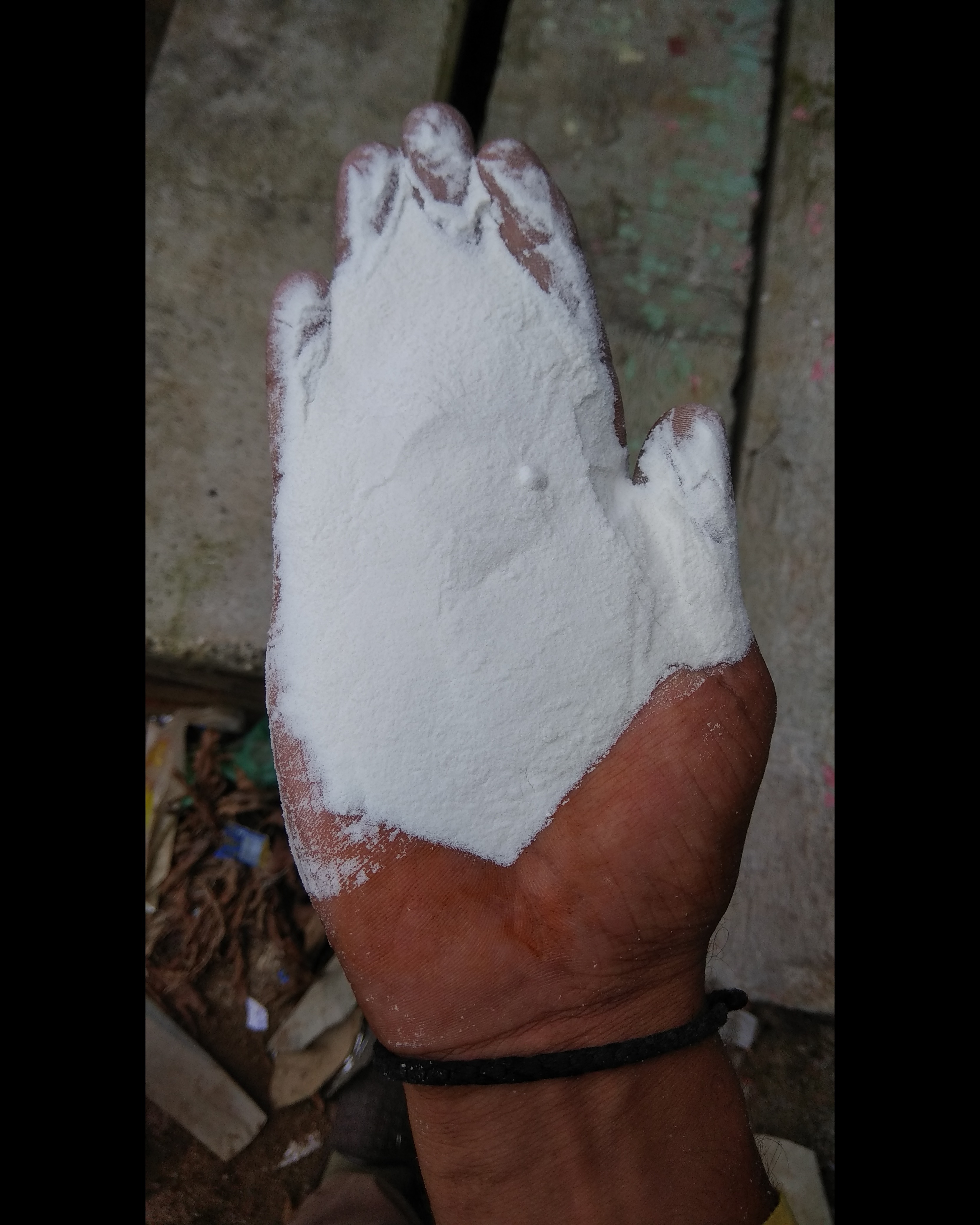
Appearance: White crystalline solid or powder
Odor: Odorless
CAS No.: 7757-82-6 (anhydrous)
2. Handling Precautions
General Safety
Handle in well-ventilated areas to minimize dust exposure.
Avoid inhaling dust — can cause mild respiratory irritation.
Prevent eye and skin contact — may cause temporary irritation on prolonged exposure.
Use clean, dry tools and equipment to avoid contamination or caking.
Personal Protective Equipment (PPE)
Type Recommended PPE
Eyes Safety goggles or face shield
Skin Gloves (PVC, nitrile, or rubber) and protective clothing
Respiratory Dust mask or N95 respirator if handling in powder form
Hygiene Wash hands thoroughly after handling; avoid eating or smoking near product
3. Storage Precautions
Storage Conditions
Store in a cool, dry, well-ventilated area.
Keep containers tightly closed when not in use.
Protect from moisture — sodium sulfate absorbs water and may cake.
Avoid prolonged exposure to humid air or direct sunlight.
Keep away from acids and moisture-sensitive chemicals (though sodium sulfate is relatively stable).
Container Recommendations
Use HDPE bags, laminated sacks, or fiber drums with inner liners.
Palletize and cover with shrink film to avoid water ingress.
Label containers clearly with product name and hazard information.
4. Stability and Reactivity
Stable under normal conditions of use and storage.
Non-flammable and non-combustible.
Avoid mixing with strong acids — may release sulfur dioxide under extreme conditions.
Avoid contamination with organic materials or reducing agents in hot/damp environments.
5. Accidental Release Measures
Sweep up or vacuum spilled material; avoid raising dust.
Collect in suitable labeled containers for reuse or disposal.
Rinse spill area with water to remove residue.
Prevent large quantities from entering drains or waterways (to avoid salinity increase).
6. Disposal
Dispose of in accordance with local environmental regulations.
Usually non-hazardous — can be landfilled if clean and uncontaminated.
Avoid disposal into natural water bodies.
7. Fire Safety
Sodium sulfate does not burn.
If involved in a fire (from other materials), use water spray, foam, or CO₂ to extinguish surrounding fires.
No toxic fumes unless mixed with combustibles at very high temperature.
1. Function of Sodium Sulfate in Detergent Powders
Sodium sulfate is one of the most common ingredients in detergent powder formulations.
It serves mainly as an inert filler and processing aid, rather than a cleaning agent.
Function Description
Filler / Diluent Reduces concentration of active ingredients to achieve the desired product strength and cost.
Flow Aid Improves free-flowing nature of powder, prevents caking or lumping.
Carrier for Actives Helps distribute surfactants, builders, and enzymes evenly throughout the formulation.
Bulk Density Control Adjusts density and texture of the detergent powder for packaging and consumer preference.
Cost Control Economical ingredient that allows price adjustment without affecting performance too much.
2. Typical Dosage in Formulations
Type of Detergent Powder Approx. % of Sodium Sulfate Purpose
Low-cost / economy grade 30–50% Major filler to reduce cost
Mid-range household detergent 15–30% Balances cost, flow, and performance
Premium / concentrated detergent 0–15% Minimal use; focus on actives
Spray-dried base powder 20–40% Maintains flow and powder structure
Non-spray dried (dry mix) formulations 10–25% To improve bulk density and handling
3. Example Detergent Powder Formulation (Household Grade)
Ingredient % w/w (approx.) Function
Linear Alkyl Benzene Sulfonic Acid (LABSA 90%) 10–12% Primary anionic surfactant
Sodium Carbonate (Soda Ash) 15–20% Builder, alkalinity source
Sodium Silicate (40%) 5–8% Corrosion inhibitor, builder
Sodium Sulfate (Na₂SO₄) 20–35% Filler and flow agent
Zeolite A 5–10% Builder, phosphate alternative
Sodium Tripolyphosphate (if used) 5–10% Water softener
Optical Brightener 0.1–0.3% Whitening agent
Enzymes (protease/amylase) 0.5–1% Stain removal
Perfume & Colorant 0.2–0.5% Fragrance and visual appeal
Moisture 3–5% Controlled for flow and stability
4. Key Considerations in Use
Particle Size: Fine-grade sodium sulfate (100–300 µm) ensures uniform blending and smooth powder flow.
Moisture Sensitivity: Should be stored in dry conditions; absorbs moisture and causes caking if humidity is high.
Compatibility: Chemically inert — does not react with surfactants or builders under normal conditions.
Formulation Balance: Excess sodium sulfate (>50%) can reduce active concentration and cleaning efficiency.
5. Environmental & Economic Aspects
Non-toxic, non-corrosive, and environmentally benign.
Derived from natural mirabilite or by-product of other chemical processes (e.g., HCl from NaCl + H₂SO₄ route).
Widely used for cost control in detergent manufacturing, especially in developing markets.
Would you like me to prepare a detailed formulation sheet (with manufacturing steps, mixing order, and cost breakdown) for a specific product type — e.g.:
Low-cost household detergent
Premium concentrated detergent
Phosphate-free eco detergent
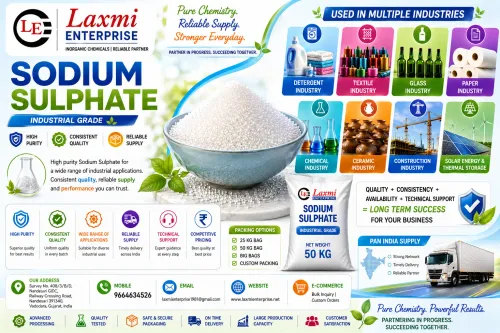
Informational: what is sodium sulphate, uses of sodium sulphate
- Commercial: sodium sulphate price per kg, supplier comparison
- Transactional: buy sodium sulphate online, bulk sodium sulphate for sale
- Long-tail: sodium sulphate for detergents, sodium sulphate for glass industry