
Overview
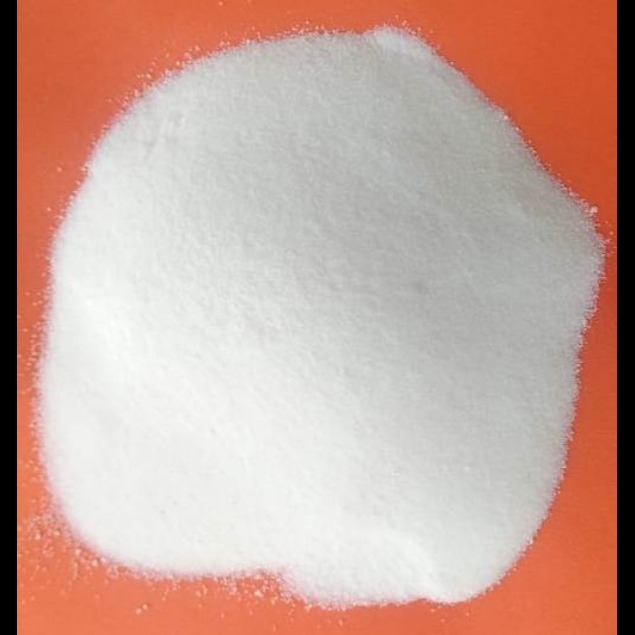
Sodium sulfate (Na₂SO₄) is an essential inorganic chemical used in the Kraft pulping process and paper manufacturing industry.
In the Kraft process, sodium sulfate serves as a make-up chemical that helps maintain the balance of sodium and sulfur in the chemical recovery cycle.
In addition, it is also used in pulp cooking, paper bleaching, and process water treatment operations.
Overview
In reactive dyeing, salts are used to promote dye exhaustion — i.e., the transfer of dye molecules from solution onto the fiber surface (mainly cotton and viscose).
Among these, Sodium Sulfate (Na₂SO₄), Seawater Salt, and Marine Salt are commonly used because they:
Neutralize the negative charges on cellulose fibers
Enhance dye–fiber bonding
Improve dye uptake and color yield
2. Chemical Role of Salts in Reactive Dyeing
Reactive dyes are anionic (negatively charged), as are cotton fibers in water.
This causes electrostatic repulsion, leading to poor dye absorption.
Salts like sodium sulfate or sodium chloride reduce this repulsion by neutralizing the fiber surface charge, allowing dye molecules to attach efficiently.
Once bound, the dye reacts covalently (in alkaline pH) to form a permanent bond, ensuring excellent wash fastness and brightness.
Function in Dyeing
Promotes dye exhaustion and leveling
Provides controlled migration for uniform shades
Compatible with cold pad batch, exhaust, and continuous dyeing methods
Produces brighter, more uniform colors than sodium chloride in many reactive systems
Advantages
Produces softer handle and uniform dyeing
Low corrosion effect on machines compared to NaCl
Reduces hardness issues in borewell or saline water
Suitable for light and medium shade dyeing
4. Seawater Salt / Marine Salt in Reactive Dyeing
Seawater or marine salt is a naturally harvested mixture of sodium chloride (NaCl) and trace minerals such as magnesium, calcium, and potassium.
It is used as a cost-effective alternative to refined salts in reactive dyeing, especially for dark and medium shades.
Function in Dyeing
Works similarly to sodium chloride by reducing fiber surface charge.
Promotes high dye uptake and faster exhaustion, particularly with vinyl sulfone and MCT-type reactive dyes.
Commonly used in jet dyeing, winch dyeing, and soft flow dyeing.
Advantages
* Economical compared to refined NaCl
*Readily available in coastal Gujarat regions
*Can be used in large-scale continuous dyeing operations
*Environmentally benign if effluent treated properly
Precautions
Trace calcium and magnesium may cause hardness; water softeners may be required.
Impurities can influence shade tone and reproducibility — testing is recommended for light pastel shades.
8. Key Benefits to Textile Processors
Uniform dye shades and excellent color yield
Reduced re-dyeing and wastage
Compatible with reactive dye brands like Remazol, Procion, Drimarene, and Novacron
Supports ECO Passport, GOTS, and OEKO-TEX compliance
Available locally from with quality assurance