Sodium Sulphate in Animal Feed Manufacturing: Applications, Quality Requirements, Production Standards, and Industrial Benefits
Introduction
The global animal nutrition industry has evolved from traditional feed production into a science-driven sector focused on improving animal health, feed efficiency, productivity, and food safety. Modern feed manufacturers carefully select every raw material to ensure that complete feed formulations meet strict nutritional specifications while complying with national and international quality standards. Consistency, traceability, and quality assurance have become just as important as nutritional performance.
Among the numerous mineral ingredients used in feed manufacturing, sodium sulphate is utilized in specific feed applications where regulations permit its use and where it meets the required feed-grade quality standards. Unlike industrial-grade sodium sulphate, feed-grade sodium sulphate is manufactured, tested, and controlled to comply with stringent requirements regarding purity, contaminants, traceability, and production practices.
It is important to distinguish between feed-grade sodium sulphate and industrial-grade sodium sulphate. Products intended for industrial applications such as detergents, glass manufacturing, textiles, or chemicals are not suitable for animal feed. Only material specifically produced, tested, and certified for feed use should be considered by feed manufacturers.
As livestock production continues to expand worldwide, feed manufacturers increasingly emphasize ingredient quality, supply reliability, regulatory compliance, and consistent batch performance. Selecting a reliable supplier of feed-grade sodium sulphate helps manufacturers maintain production consistency while supporting quality assurance programs.
This article explores the technical characteristics, manufacturing requirements, quality standards, applications, procurement considerations, and industry best practices associated with feed-grade sodium sulphate in animal feed manufacturing.
Understanding Sodium Sulphate
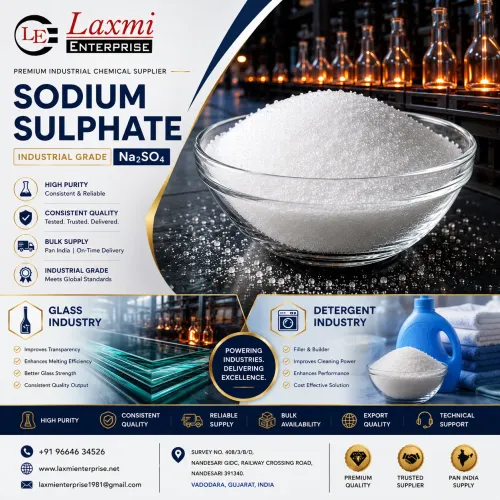
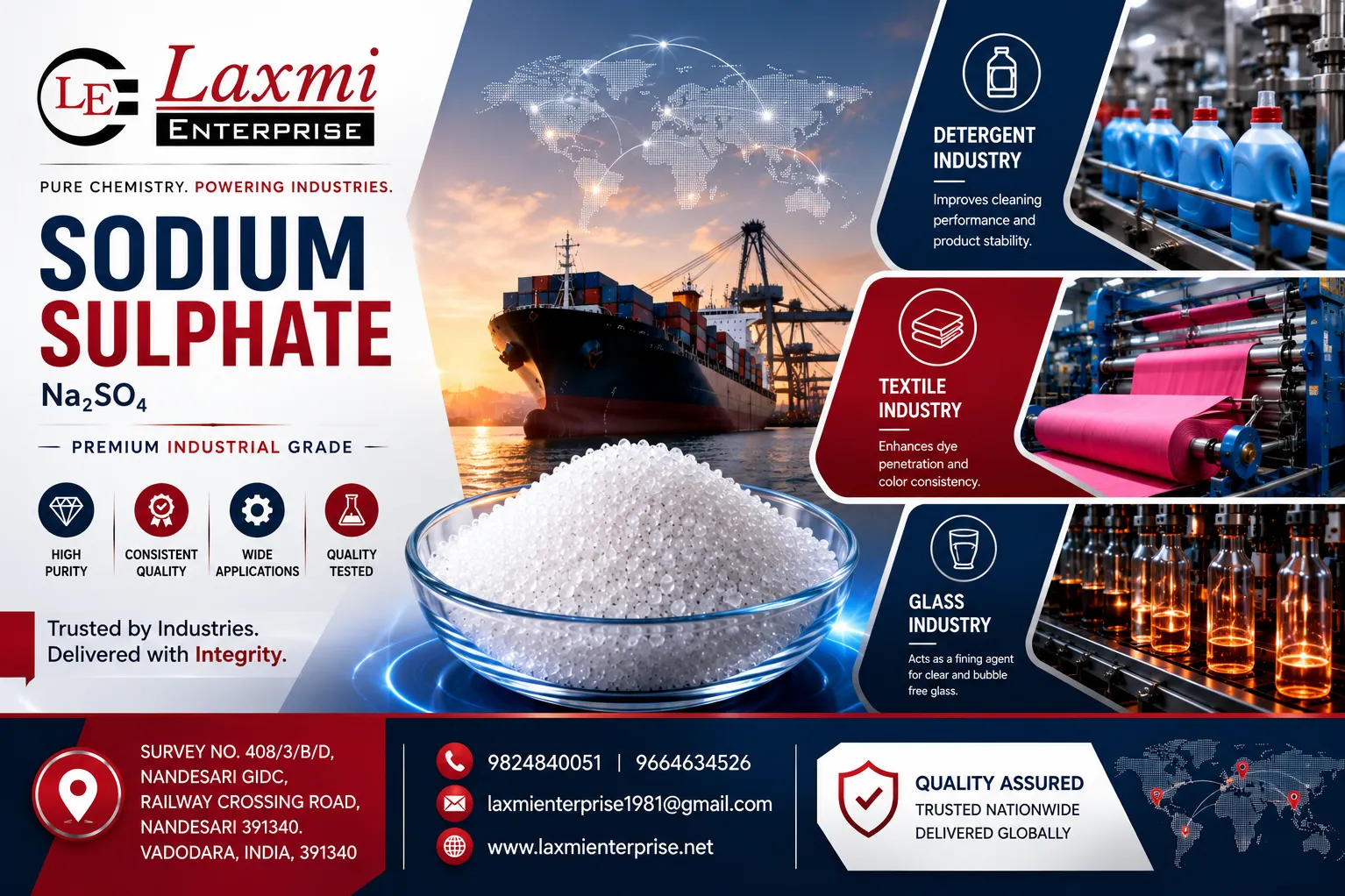
Sodium sulphate is an inorganic compound with the chemical formula Na₂SO₄. It is a naturally occurring mineral and is also manufactured through several industrial processes. Depending on its intended application, sodium sulphate may be produced to different quality standards.
Commercial forms include:
Anhydrous Sodium Sulphate
Sodium Sulphate Decahydrate (Glauber's Salt)
For feed applications, only feed-grade sodium sulphate manufactured under appropriate quality management systems should be used. Feed manufacturers require documentation demonstrating compliance with applicable regulatory and quality requirements.
Technical Profile
Property Typical Information
Chemical Name Sodium Sulphate
Chemical Formula Na₂SO₄
Molecular Weight 142.04 g/mol
CAS Number 7757-82-6
Appearance White crystalline powder or granules
Odor Odorless
Solubility Highly soluble in water
Chemical Nature Inorganic salt
Stability Stable under recommended storage conditions
Actual product specifications vary according to the manufacturer's feed-grade standard and applicable regulations.
Feed Grade vs Industrial Grade Sodium Sulphate
Understanding this distinction is essential for feed manufacturers.
Feed Grade Industrial Grade
Manufactured for animal nutrition applications where permitted Manufactured for industrial processes
Produced under feed quality management systems Produced for technical or industrial applications
Subject to feed safety requirements Subject to industrial specifications
Controlled for contaminants relevant to feed Specifications depend on industrial end use
Traceability is essential Traceability requirements vary by industry
Industrial-grade sodium sulphate should never be substituted for feed-grade material in animal nutrition.
Why Quality Matters in Animal Feed Manufacturing
Feed manufacturing requires exceptional control over raw materials because finished products directly affect animal performance, food production systems, and regulatory compliance.
Feed manufacturers evaluate ingredients based on:
Product consistency
Supplier reliability
Batch traceability
Physical characteristics
Chemical composition
Storage stability
Regulatory documentation
Supply continuity
A dependable raw material supplier helps reduce production interruptions while supporting quality management programs.
Role of Minerals in Feed Manufacturing
Balanced animal nutrition depends on an appropriate combination of energy sources, proteins, vitamins, amino acids, trace minerals, and macro minerals.
Mineral ingredients contribute to:
Nutritional balance
Feed formulation consistency
Manufacturing efficiency
Uniform mixing characteristics
Product quality
Stable storage performance
The inclusion of any mineral ingredient must always be determined by qualified animal nutrition professionals and applicable regulations.
Manufacturing of Feed-Grade Sodium Sulphate
Feed-grade sodium sulphate requires tighter process control than material intended solely for industrial applications.
A typical manufacturing program includes:
Raw Material Selection
Only approved raw materials that meet feed safety requirements should enter production.
Controlled Manufacturing
Production follows documented procedures designed to minimize contamination and maintain consistent product quality.
Purification
Where necessary, purification processes help achieve the required quality specifications for feed use.
Drying
Moisture is carefully controlled to improve storage stability and handling characteristics.
Screening
Particle size is controlled to provide consistent flow properties and blending performance.
Quality Testing
Each production batch is analyzed against established specifications before release.
Packaging
Finished product is packed using materials suitable for protecting product quality during transportation and storage.
Physical Characteristics Important to Feed Manufacturers
Feed manufacturers often evaluate physical properties because they influence production efficiency.
Important characteristics include:
Free-flowing crystals
Uniform particle size
Low dust generation
Controlled moisture
Good storage stability
Easy blending
Consistent bulk density
Clean appearance
Uniform physical properties help support automated feed production systems.
Importance of Batch Consistency
Commercial feed mills produce thousands of tonnes of feed annually. Variations in raw material quality can complicate formulation and quality control.
Consistent sodium sulphate quality helps support:
Predictable ingredient handling
Uniform blending
Efficient production scheduling
Inventory management
Repeatable manufacturing performance
Long-term consistency is often more valuable than occasional high-specification shipments.
Quality Assurance Systems
Reputable manufacturers commonly implement quality management systems appropriate to feed production. Depending on the market and customer requirements, these may include recognized feed safety and quality programs.
Quality assurance generally covers:
Supplier qualification
Raw material inspection
Process monitoring
Laboratory testing
Batch traceability
Packaging inspection
Documentation control
Corrective action procedures
These systems help manufacturers maintain confidence in product quality and regulatory compliance.
Typical Documentation Requested by Feed Manufacturers
Before approving a supplier, purchasing and quality assurance teams commonly request:
Certificate of Analysis (COA)
Technical Data Sheet (TDS)
Safety Data Sheet (SDS)
Product specification sheet
Batch traceability information
Quality certifications, where applicable
Country of origin
Packaging specifications
Comprehensive documentation supports supplier qualification and ongoing quality management.
Key Procurement Considerations
Selecting a feed-grade sodium sulphate supplier involves more than comparing prices.
Industrial buyers should evaluate:
Manufacturing capability
Consistent product quality
Quality assurance systems
Technical support
Packaging standards
Delivery performance
Regulatory documentation
Long-term supply reliability
A supplier that consistently meets agreed specifications can help manufacturers reduce operational risk and maintain efficient production.
Introduction
The global animal nutrition industry has evolved from traditional feed production into a science-driven sector focused on improving animal health, feed efficiency, productivity, and food safety. Modern feed manufacturers carefully select every raw material to ensure that complete feed formulations meet strict nutritional specifications while complying with national and international quality standards. Consistency, traceability, and quality assurance have become just as important as nutritional performance.
Among the numerous mineral ingredients used in feed manufacturing, sodium sulphate is utilized in specific feed applications where regulations permit its use and where it meets the required feed-grade quality standards. Unlike industrial-grade sodium sulphate, feed-grade sodium sulphate is manufactured, tested, and controlled to comply with stringent requirements regarding purity, contaminants, traceability, and production practices.
It is important to distinguish between feed-grade sodium sulphate and industrial-grade sodium sulphate. Products intended for industrial applications such as detergents, glass manufacturing, textiles, or chemicals are not suitable for animal feed. Only material specifically produced, tested, and certified for feed use should be considered by feed manufacturers.
As livestock production continues to expand worldwide, feed manufacturers increasingly emphasize ingredient quality, supply reliability, regulatory compliance, and consistent batch performance. Selecting a reliable supplier of feed-grade sodium sulphate helps manufacturers maintain production consistency while supporting quality assurance programs.
This article explores the technical characteristics, manufacturing requirements, quality standards, applications, procurement considerations, and industry best practices associated with feed-grade sodium sulphate in animal feed manufacturing.
Understanding Sodium Sulphate
Sodium sulphate is an inorganic compound with the chemical formula Na₂SO₄. It is a naturally occurring mineral and is also manufactured through several industrial processes. Depending on its intended application, sodium sulphate may be produced to different quality standards.
Commercial forms include:
Anhydrous Sodium Sulphate
Sodium Sulphate Decahydrate (Glauber's Salt)
For feed applications, only feed-grade sodium sulphate manufactured under appropriate quality management systems should be used. Feed manufacturers require documentation demonstrating compliance with applicable regulatory and quality requirements.
Technical Profile
Property Typical Information
Chemical Name Sodium Sulphate
Chemical Formula Na₂SO₄
Molecular Weight 142.04 g/mol
CAS Number 7757-82-6
Appearance White crystalline powder or granules
Odor Odorless
Solubility Highly soluble in water
Chemical Nature Inorganic salt
Stability Stable under recommended storage conditions
Actual product specifications vary according to the manufacturer's feed-grade standard and applicable regulations.
Feed Grade vs Industrial Grade Sodium Sulphate
Understanding this distinction is essential for feed manufacturers.
Feed Grade Industrial Grade
Manufactured for animal nutrition applications where permitted Manufactured for industrial processes
Produced under feed quality management systems Produced for technical or industrial applications
Subject to feed safety requirements Subject to industrial specifications
Controlled for contaminants relevant to feed Specifications depend on industrial end use
Traceability is essential Traceability requirements vary by industry
Industrial-grade sodium sulphate should never be substituted for feed-grade material in animal nutrition.
Why Quality Matters in Animal Feed Manufacturing
Feed manufacturing requires exceptional control over raw materials because finished products directly affect animal performance, food production systems, and regulatory compliance.
Feed manufacturers evaluate ingredients based on:
Product consistency
Supplier reliability
Batch traceability
Physical characteristics
Chemical composition
Storage stability
Regulatory documentation
Supply continuity
A dependable raw material supplier helps reduce production interruptions while supporting quality management programs.
Role of Minerals in Feed Manufacturing
Balanced animal nutrition depends on an appropriate combination of energy sources, proteins, vitamins, amino acids, trace minerals, and macro minerals.
Mineral ingredients contribute to:
Nutritional balance
Feed formulation consistency
Manufacturing efficiency
Uniform mixing characteristics
Product quality
Stable storage performance
The inclusion of any mineral ingredient must always be determined by qualified animal nutrition professionals and applicable regulations.
Manufacturing of Feed-Grade Sodium Sulphate
Feed-grade sodium sulphate requires tighter process control than material intended solely for industrial applications.
A typical manufacturing program includes:
Raw Material Selection
Only approved raw materials that meet feed safety requirements should enter production.
Controlled Manufacturing
Production follows documented procedures designed to minimize contamination and maintain consistent product quality.
Purification
Where necessary, purification processes help achieve the required quality specifications for feed use.
Drying
Moisture is carefully controlled to improve storage stability and handling characteristics.
Screening
Particle size is controlled to provide consistent flow properties and blending performance.
Quality Testing
Each production batch is analyzed against established specifications before release.
Packaging
Finished product is packed using materials suitable for protecting product quality during transportation and storage.
Physical Characteristics Important to Feed Manufacturers
Feed manufacturers often evaluate physical properties because they influence production efficiency.
Important characteristics include:
Free-flowing crystals
Uniform particle size
Low dust generation
Controlled moisture
Good storage stability
Easy blending
Consistent bulk density
Clean appearance
Uniform physical properties help support automated feed production systems.
Importance of Batch Consistency
Commercial feed mills produce thousands of tonnes of feed annually. Variations in raw material quality can complicate formulation and quality control.
Consistent sodium sulphate quality helps support:
Predictable ingredient handling
Uniform blending
Efficient production scheduling
Inventory management
Repeatable manufacturing performance
Long-term consistency is often more valuable than occasional high-specification shipments.
Quality Assurance Systems
Reputable manufacturers commonly implement quality management systems appropriate to feed production. Depending on the market and customer requirements, these may include recognized feed safety and quality programs.
Quality assurance generally covers:
Supplier qualification
Raw material inspection
Process monitoring
Laboratory testing
Batch traceability
Packaging inspection
Documentation control
Corrective action procedures
These systems help manufacturers maintain confidence in product quality and regulatory compliance.
Typical Documentation Requested by Feed Manufacturers
Before approving a supplier, purchasing and quality assurance teams commonly request:
Certificate of Analysis (COA)
Technical Data Sheet (TDS)
Safety Data Sheet (SDS)
Product specification sheet
Batch traceability information
Quality certifications, where applicable
Country of origin
Packaging specifications
Comprehensive documentation supports supplier qualification and ongoing quality management.
Key Procurement Considerations
Selecting a feed-grade sodium sulphate supplier involves more than comparing prices.
Industrial buyers should evaluate:
Manufacturing capability
Consistent product quality
Quality assurance systems
Technical support
Packaging standards
Delivery performance
Regulatory documentation
Long-term supply reliability
A supplier that consistently meets agreed specifications can help manufacturers reduce operational risk and maintain efficient production.
Keywords