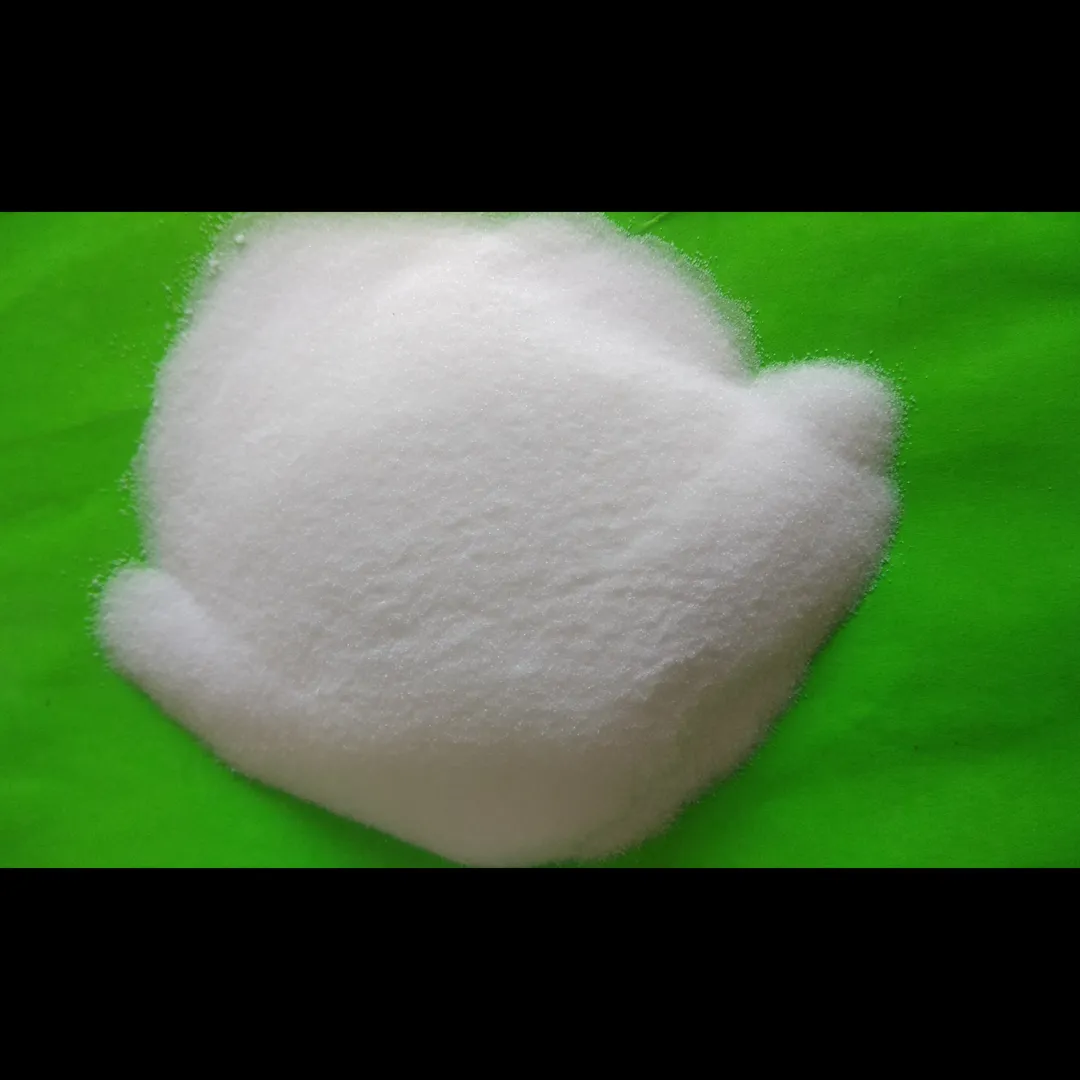
1. Overview of Sodium Sulphate in Wastewater
Common Sources
Sodium-based neutralization: from use of NaOH or Na₂CO₃ during pH correction.
Sulphate salts: from sulfuric acid (H₂SO₄) dosing, sulphated chemicals, or process reactions.
Dye and pigment manufacture: many sulphonated compounds release sulphate during reactions.
Detergents, soaps, and textile washing: sodium sulphate is used as a filler or processing aid.
In typical industrial effluents, sodium (Na⁺) and sulphate (SO₄²⁻) are highly soluble, non-volatile salts — they do not degrade biologically, so they accumulate in the system.
Typical Behavior in ZLD Train
Primary Treatment → Removes suspended solids and organics.
Biological Treatment → Sodium and sulphate are not removed.
RO System → Concentrates sulphates in the reject stream.
MEE (Evaporator) → Further concentrates salts until crystallization begins.
Crystallizer / ATFD → Produces a mixed salt (NaCl, Na₂SO₄, etc.).
6. Environmental and Economic Aspects
Sodium sulphate is non-toxic, but contributes heavily to salinity.
Recovered Na₂SO₄ (Glauber’s salt) can have market value if purity >90%.
Proper segregation and recovery can make ZLD more economical.
1. Overview
Chemical formula: Na₂SO₄
Molecular weight: 142.04 g/mol
Common forms:
Anhydrous sodium sulphate
Sodium sulphate decahydrate (Na₂SO₄·10H₂O) — known as Glauber’s salt
Nature: White crystalline, odorless, non-toxic, and highly water-soluble inorganic sal
4. Industrial and Formulation Uses in Pharma Manufacturing
Drying agent in organic synthesis (removes water from solvents during API production)
Intermediate for drug synthesis (sodium sulphate formed as a by-product in neutralization reactions)
Buffering agent in biochemical and diagnostic reagents
Used in cleaning validation processes for glassware and reactors (non-toxic, easily washable residue)
6. Related Compounds & Derivatives
Compound Pharmaceutical Role
Sodium Sulphate Decahydrate (Glauber’s salt) Mild purgative,
used in detox formulations
Sodium Sulphate–Magnesium Sulphate Mix Cathartic and cleansing agent
Sodium Sulphate in Polyethylene Glycol (PEG) solutions Supports osmotic action for bowel cleansing
1. Overview
Chemical Name: Sodium Sulphate
Formula: Na₂SO₄
Molecular Weight: 142.04 g/mol
Common Forms:
Anhydrous Sodium Sulphate
Decahydrate (Na₂SO₄·10H₂O) – Glauber’s Salt
Sodium sulphate is a neutral, highly soluble, and non-corrosive electrolyte salt widely used in metal finishing and electroplating baths to control ionic strength and conductivity.
2. Role in Electroplating Baths
Sodium sulphate acts mainly as a conductivity enhancer and supporting electrolyte in various plating systems.
It does not directly participate in metal deposition but stabilizes the electrolyte environment for uniform plating.
5. Mechanism of Action
In aqueous solution:
Na⁺ ions increase ionic strength, improving current flow.
SO₄²⁻ ions stabilize the anionic environment and help buffer the solution.
This maintains consistent metal ion transport to the cathode, improving plating efficiency and uniformity.
Behavior in ZLD Systems
A typical ZLD process train:
Pre-treatment → Biological → RO/NF → MEE → Crystallizer → Solid Disposal
Sodium Sulphate passes unchanged through all stages except the evaporator and crystallizer
, where it concentrates and crystallizes out as a solid.
7. Sodium Sulphate Recovery
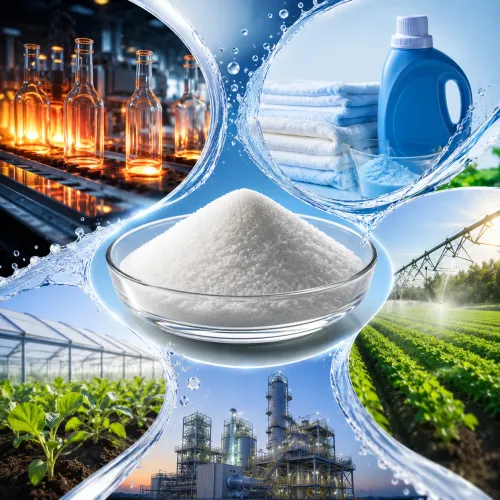
Recovered Na₂SO₄·10H₂O (Glauber’s Salt) can be purified and reused.
Applications of recovered salt:
Detergent manufacturing
Glass industry
Pulp & paper bleaching
Textile dyeing (as leveling agent
Would you like me to generate this information as a 1-page Technical Datasheet (PDF) titled “Sodium Sulphate in ZLD Wastewater Systems” (formatted like a professional industry handout)?
1. Sodium Sulphate for Paper Manufacturing
Role in Pulp & Paper Industry
Sodium sulphate is a key raw material in the Kraft pulping process for the production of high-strength paper and board.
Typical Grade Used
Anhydrous sodium sulphate, purity ≥99%
Low iron & chloride content (<0.01%)
Application Benefits
Sustains alkali balance in recovery boilers
Improves chemical recovery efficiency
Ensures consistent pulp quality
Reduces chemical make-up cost
Advantages
High solubility and purity → uniform color
Non-reactive with dyes → stable bath chemistry
Easy to handle and store
Environmentally safer compared to chlorides
Advantages for Buyers
* Consistent Quality (ISO-certified plant)
*Competitive Pricing for Bulk Orders
*Prompt Port Dispatch (via Gujarat ports)
*Technical Documentation & MSDS support
* Available in Industrial, Electroplating, and Pharma Grades
- sodium sulphate
- sodium sulfate
- Na2SO4
- CAS 7757-82-6 (anhydrous)
- CAS 7727-73-3 (decahydrate)
- E514
- EC 231-820-9
- sodium sulphate SDS
- sodium sulphate MSDS
- Glauber's salt
- mirabilite
- thenardite
- sulfate of soda
- salt cake
- disodium sulfate
INDUSTRIAL BULK SODIUM SULFATE SUPPLIER GUJARAT...LAXMI ENTERPRISE.VADODRA GUJARAT INDIA
Common Sources
Sodium-based neutralization: from use of NaOH or Na₂CO₃ during pH correction.
Sulphate salts: from sulfuric acid (H₂SO₄) dosing, sulphated chemicals, or process reactions.
Dye and pigment manufacture: many sulphonated compounds release sulphate during reactions.
Detergents, soaps, and textile washing: sodium sulphate is used as a filler or processing aid.
In typical industrial effluents, sodium (Na⁺) and sulphate (SO₄²⁻) are highly soluble, non-volatile salts — they do not degrade biologically, so they accumulate in the system.
Typical Behavior in ZLD Train
Primary Treatment → Removes suspended solids and organics.
Biological Treatment → Sodium and sulphate are not removed.
RO System → Concentrates sulphates in the reject stream.
MEE (Evaporator) → Further concentrates salts until crystallization begins.
Crystallizer / ATFD → Produces a mixed salt (NaCl, Na₂SO₄, etc.).
6. Environmental and Economic Aspects
Sodium sulphate is non-toxic, but contributes heavily to salinity.
Recovered Na₂SO₄ (Glauber’s salt) can have market value if purity >90%.
Proper segregation and recovery can make ZLD more economical.
1. Overview
Chemical formula: Na₂SO₄
Molecular weight: 142.04 g/mol
Common forms:
Anhydrous sodium sulphate
Sodium sulphate decahydrate (Na₂SO₄·10H₂O) — known as Glauber’s salt
Nature: White crystalline, odorless, non-toxic, and highly water-soluble inorganic sal
4. Industrial and Formulation Uses in Pharma Manufacturing
Drying agent in organic synthesis (removes water from solvents during API production)
Intermediate for drug synthesis (sodium sulphate formed as a by-product in neutralization reactions)
Buffering agent in biochemical and diagnostic reagents
Used in cleaning validation processes for glassware and reactors (non-toxic, easily washable residue)
6. Related Compounds & Derivatives
Compound Pharmaceutical Role
Sodium Sulphate Decahydrate (Glauber’s salt) Mild purgative,
used in detox formulations
Sodium Sulphate–Magnesium Sulphate Mix Cathartic and cleansing agent
Sodium Sulphate in Polyethylene Glycol (PEG) solutions Supports osmotic action for bowel cleansing
1. Overview
Chemical Name: Sodium Sulphate
Formula: Na₂SO₄
Molecular Weight: 142.04 g/mol
Common Forms:
Anhydrous Sodium Sulphate
Decahydrate (Na₂SO₄·10H₂O) – Glauber’s Salt
Sodium sulphate is a neutral, highly soluble, and non-corrosive electrolyte salt widely used in metal finishing and electroplating baths to control ionic strength and conductivity.
2. Role in Electroplating Baths
Sodium sulphate acts mainly as a conductivity enhancer and supporting electrolyte in various plating systems.
It does not directly participate in metal deposition but stabilizes the electrolyte environment for uniform plating.
5. Mechanism of Action
In aqueous solution:
Na⁺ ions increase ionic strength, improving current flow.
SO₄²⁻ ions stabilize the anionic environment and help buffer the solution.
This maintains consistent metal ion transport to the cathode, improving plating efficiency and uniformity.
Behavior in ZLD Systems
A typical ZLD process train:
Pre-treatment → Biological → RO/NF → MEE → Crystallizer → Solid Disposal
Sodium Sulphate passes unchanged through all stages except the evaporator and crystallizer
, where it concentrates and crystallizes out as a solid.
7. Sodium Sulphate Recovery
Recovered Na₂SO₄·10H₂O (Glauber’s Salt) can be purified and reused.
Applications of recovered salt:
Detergent manufacturing
Glass industry
Pulp & paper bleaching
Textile dyeing (as leveling agent
Would you like me to generate this information as a 1-page Technical Datasheet (PDF) titled “Sodium Sulphate in ZLD Wastewater Systems” (formatted like a professional industry handout)?
1. Sodium Sulphate for Paper Manufacturing
Role in Pulp & Paper Industry
Sodium sulphate is a key raw material in the Kraft pulping process for the production of high-strength paper and board.
Typical Grade Used
Anhydrous sodium sulphate, purity ≥99%
Low iron & chloride content (<0.01%)
Application Benefits
Sustains alkali balance in recovery boilers
Improves chemical recovery efficiency
Ensures consistent pulp quality
Reduces chemical make-up cost
Advantages
High solubility and purity → uniform color
Non-reactive with dyes → stable bath chemistry
Easy to handle and store
Environmentally safer compared to chlorides
Advantages for Buyers
* Consistent Quality (ISO-certified plant)
*Competitive Pricing for Bulk Orders
*Prompt Port Dispatch (via Gujarat ports)
*Technical Documentation & MSDS support
* Available in Industrial, Electroplating, and Pharma Grades
- sodium sulphate
- sodium sulfate
- Na2SO4
- CAS 7757-82-6 (anhydrous)
- CAS 7727-73-3 (decahydrate)
- E514
- EC 231-820-9
- sodium sulphate SDS
- sodium sulphate MSDS
- Glauber's salt
- mirabilite
- thenardite
- sulfate of soda
- salt cake
- disodium sulfate
INDUSTRIAL BULK SODIUM SULFATE SUPPLIER GUJARAT...LAXMI ENTERPRISE.VADODRA GUJARAT INDIA
Keywords