
MAGNESIUM SULFATE AS A MORDANT IN TEXTILES
. Overview
Magnesium Sulfate Heptahydrate (MgSO₄·7H₂O), commonly known as Epsom salt, is used in the textile industry as a mordant and levelling agent. It helps fix dyes to fibers, improves color fastness, and ensures uniform shade development in dyed fabrics.
A mordant is a substance that forms a coordination complex with dye molecules, allowing them to bind firmly to fibers.
. Functions in Textile Dyeing
1. Improves Dye Fixation
Mg²⁺ ions interact with dye molecules and fiber sites, enhancing chemical binding.
Provides stable and durable coloration, especially for natural and reactive dyes.
2. Enhances Color Uniformity
Prevents patchy or uneven dyeing by promoting even penetration of dye across the fabric.
Useful for cotton, linen, viscose, and blended fabrics.
3. Acts as a Mild Mordant
Especially beneficial for natural dyes (e.g., indigo, madder, turmeric).
Forms metal-dye-fiber complexes, increasing light and wash fastness without harsh chemicals.
4. Levelling Agent
Reduces excessive dye uptake in localized areas, ensuring a consistent shade.
Can be used alongside other electrolytes like sodium sulfate for improved leveling.
5. pH Stabilizer
Maintains the bath pH during dyeing, which is critical for reactive dye reactions and natural dye extraction.
. Application in Dyeing Processes
Dye Type Role of MgSO₄ Typical Dosage*
Reactive Dyes Electrolyte for uniform dye uptake 30–80 g/L
Direct Dyes Improve dye-fiber interaction 20–60 g/L
Natural Dyes Mordant to increase fastness 5–20 g/L
Vat / Sulfur Dyes Enhance levelling and penetration 10–40 g/L
*Dosage depends on fabric type, dye concentration, and process parameters.
. Process Example – Reactive Dyeing
Dissolve magnesium sulfate in water before adding the dye.
Immerse pre-wetted fabric into the dye bath.
Heat gradually to required dyeing temperature (e.g., 60°C for cotton).
Add alkali (like sodium carbonate) to fix the reactive dye.
Rinse fabric to remove unfixed dye.
Result: Deep, uniform color with improved fastness.
. Advantages of Using Magnesium Sulfate
Enhances color brightness and depth.
Improves wash and light fastness in natural and synthetic fibers.
Reduces uneven dye patches and re-dyeing waste.
Eco-friendly and compatible with most fibers.
Gentle on fabrics, making it suitable for delicate materials.
. Safety and Handling
Non-toxic, non-flammable, and safe for industrial use.
Handle in dry conditions to avoid clumping or caking.
Wear gloves and dust masks when handling large quantities of powder.
Store in cool, dry, ventilated areas to prevent moisture absorption.
. Packaging for Industrial Use
25 kg / 50 kg HDPE bags
Jumbo bags (1 MT) for bulk textile mills
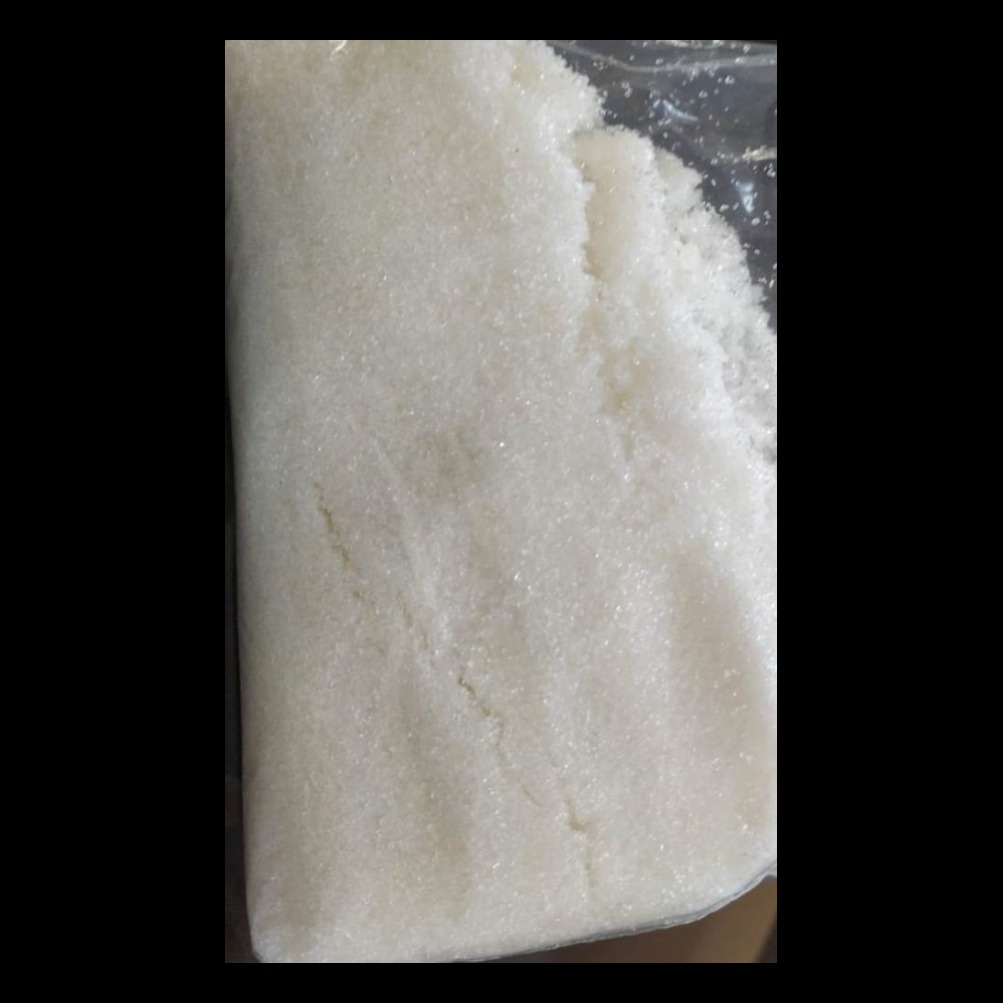
Available in crystal or powder form
Grades: Textile grade, pharmaceutical grade, or agricultural grade
. Conclusion
Magnesium Sulfate is a versatile, cost-effective, and eco-friendly mordant in textile dyeing. It enhances dye uptake, color uniformity, and fastness, making it an essential chemical in natural and synthetic dyeing processes.
MAGNESIUM SULFATE IN CEMENT & CONSTRUCTION INDUSTRY
.. Overview
Magnesium Sulfate (MgSO₄·7H₂O) is used in the construction and cement industry for its special chemical properties, mainly as a strength-enhancing additive, setting regulator, and in the manufacture of magnesium-based cements such as Sorel cement (magnesium oxychloride cement).
It provides advantages in high-strength applications, fire-resistant materials, and chemical-resistant construction materials.
. Primary Applications
1. Magnesium Oxychloride Cement (Sorel Cement)
Produced by mixing magnesium oxide (MgO) with magnesium chloride (MgCl₂) or magnesium sulfate (MgSO₄).
Forms a high-strength, quick-setting cement ideal for:
Flooring and tiles
Fireproof panels
Industrial coatings
Decorative construction elements
Benefits:
High compressive and flexural strength
Abrasion resistance
Rapid setting and curing
2. Accelerator in Portland Cement
Magnesium sulfate is sometimes added in small quantities to regulate setting time in Portland cement-based concretes.
Acts as a retarder or accelerator depending on composition and dosage.
Helps prevent premature setting during transportation and allows better workability.
3. Soil Stabilization
MgSO₄ is occasionally used in stabilizing soils for construction sites:
Improves binding properties of clay soils
Reduces swelling and shrinkage in expansive soils
Enhances load-bearing capacity
4. Additive in Specialty Concrete
Magnesium sulfate can enhance chemical resistance in:
Sulfate-resistant concretes
Industrial flooring
Marine and wastewater construction
Works by forming insoluble magnesium compounds that reduce cement matrix degradation.
5. Fire-Resistant and Insulating Materials
MgSO₄ contributes to fireproof boards, panels, and plaster mixes due to its endothermic dehydration properties.
On heating, it absorbs heat and forms magnesium oxide, adding thermal insulation.
[ Benefits in Construction ]
High mechanical strength: Improves compressive and flexural strength.
Rapid setting: Useful in quick-repair works or pre-cast elements.
Chemical resistance: Enhances durability in acidic or sulfate-rich environments.
Fire resistance: Suitable for safety-critical construction materials.
Versatility: Used in Sorel cement, specialty concrete, and soil stabilization.
Handling and Storage
Store in cool, dry, ventilated areas to prevent moisture absorption (MgSO₄ is hygroscopic).
Use HDPE bags or lined containers for bulk storage.
Keep away from incompatible materials such as strong acids and strong reducing agents.
Handle powder carefully to avoid dust inhalation; PPE recommended: gloves, goggles, and dust mask.
. Packaging for Industrial Use
25 kg / 50 kg HDPE bags
Jumbo bags (1 MT) for bulk construction or cement industry
Available in crystalline or powdered form
Grades: Construction grade, Industrial grade
. Conclusion
Magnesium Sulfate is a valuable additive in cement and construction applications, providing:
High strength and durability
Rapid setting and workability
Fire and chemical resistance
Soil stabilization and specialty cement applications
Its versatility makes it an essential chemical for industrial construction, pre-cast elements, and specialty cement production.
MAGNESIUM SULFATE HEPTAHYDRATE – INDUSTRIAL APPLICATIONS
*Magnesium Sulfate Heptahydrate (MgSO₄·7H₂O), commonly known as Epsom salt, is a versatile inorganic chemical widely used across multiple industries. Its solubility, chemical stability, and non-toxic nature make it valuable for textile, pharmaceutical, agriculture, construction, and chemical manufacturing applications.