

Salt Dosing Optimization in Textile Industry
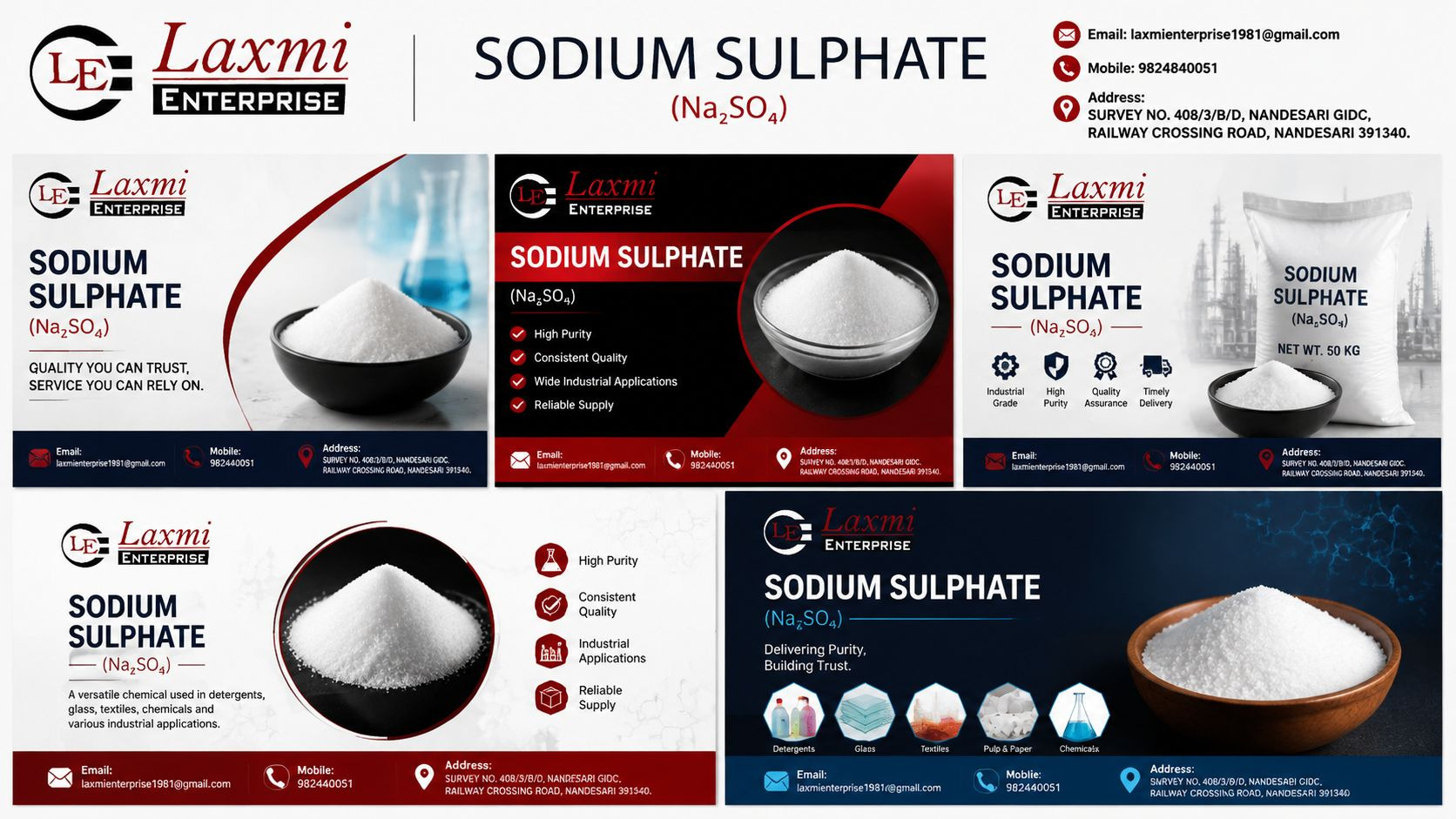
Maximizing Dye Exhaustion, Shade Consistency, and Process Efficiency with Sodium Sulphate
In modern textile dyeing operations, Salt Dosing Optimization is one of the most important factors affecting dye uptake, shade consistency, production cost, and wastewater generation. Reactive dyeing of cotton and cellulosic fibers relies heavily on Sodium Sulphate as an electrolyte to promote dye exhaustion and uniform color development.
While many dye houses focus on dyes and auxiliaries, improper salt dosing can lead to poor dye fixation, uneven shades, increased reprocessing, and higher operating costs. Optimized Sodium Sulphate dosing helps manufacturers achieve better quality with lower chemical consumption.
Why is Sodium Sulphate Used in Textile Dyeing?
Reactive dyes and cotton fibers both carry negative charges in aqueous solutions. Due to this electrostatic repulsion, dye molecules do not naturally migrate efficiently onto the fiber surface.
Sodium Sulphate works as an electrolyte by:
Reducing dye-fiber repulsion
Promoting dye migration
Improving dye exhaustion
Supporting uniform dye penetration
Enhancing shade reproducibility
Without adequate salt concentration, dye uptake becomes inefficient and uneven.
Importance of Salt Dosing Optimization
Many textile processors either underdose or overdose Sodium Sulphate.
Underdosing Problems
❌ Low dye exhaustion
❌ Pale shades
❌ Uneven dyeing
❌ Higher dye losses
❌ Increased reprocessing costs
Overdosing Problems
❌ Excess chemical consumption
❌ Increased TDS in effluent
❌ Higher wastewater treatment costs
❌ Unnecessary production expenses
❌ Environmental compliance challenges
The objective is to identify the optimum dosage that maximizes dye exhaustion while minimizing chemical waste.
Typical Sodium Sulphate Dosing Guidelines
Actual dosage depends on:
Shade depth
Dye type
Fabric type
Liquor ratio
Machine type
Light Shades
Typically:
20–40 g/L Sodium Sulphate
Medium Shades
Typically:
40–70 g/L Sodium Sulphate
Dark Shades
Typically:
70–100 g/L or as recommended by the dye manufacturer
Process trials should always be conducted before commercial production.
Benefits of Optimized Salt Dosing
Improved Dye Exhaustion
Higher percentage of dye transfers from dye bath to fiber.
Benefits include:
Lower dye wastage
Better color yield
Improved process efficiency
Better Shade Consistency
Consistent salt concentration helps achieve:
Uniform color development
Batch-to-batch reproducibility
Reduced shade correction
Reduced Chemical Cost
Optimized dosing prevents overconsumption of:
Sodium Sulphate
Reactive dyes
Auxiliary chemicals
Lower Environmental Impact
Less unused dye and excess salt enter the effluent treatment system.
This helps:
Reduce TDS load
Lower treatment costs
Improve sustainability performance
Key Process Parameters
Successful salt dosing optimization requires monitoring:
Dye Concentration
Higher dye concentration generally requires increased electrolyte levels.
Liquor Ratio
Lower liquor ratios often improve process efficiency and reduce salt consumption.
Temperature Profile
Controlled temperature increases dye migration and fixation performance.
pH Control
Proper alkali addition ensures optimal dye-fiber bonding.
Salt Addition Sequence
Gradual dosing often produces better results than adding the entire quantity at once.
Case Study: Textile Dye House Improvement
A cotton dyeing unit experienced:
Shade variation
High dye consumption
Frequent reprocessing
After reviewing their Sodium Sulphate dosing practices and implementing controlled dosing procedures, the plant achieved:
✔ Improved dye exhaustion
✔ Better shade reproducibility
✔ Reduced dye losses
✔ Lower chemical consumption
✔ Improved customer satisfaction
The optimization project reduced overall dyeing costs while improving quality consistency.
Why Sodium Sulphate Quality Matters
Even the best dosing strategy cannot compensate for inconsistent Sodium Sulphate quality.
Textile processors should prefer material with:
High Na₂SO₄ purity
Low insoluble matter
Low moisture
Controlled chloride levels
Consistent particle size
Reliable quality contributes directly to dyeing consistency and process stability.
Conclusion
Salt dosing optimization is one of the most effective ways to improve textile dyeing performance. By using consistent-quality Sodium Sulphate and implementing scientifically controlled dosing procedures, textile manufacturers can achieve:
Better Dye Exhaustion
Improved Shade Consistency
Lower Chemical Consumption
Reduced Wastewater Load
Higher Production Efficiency
For modern textile processing plants, optimized Sodium Sulphate usage is not merely a chemical cost issue—it is a key factor in quality control, sustainability, and long-term profitability.
Laxmi Enterprise
Technical Grade Sodium Sulphate Supplier
Address:
Survey No. 408/3/B/D, Nandesari GIDC, Railway Crossing Road, Nandesari – 391340
Vadodara, Gujarat, India
📞 Mobile: +91 98248 40051
📧 Email: laxmienterprise1981@gmail.com
🌐 Website: www.laxmienterprise.net