

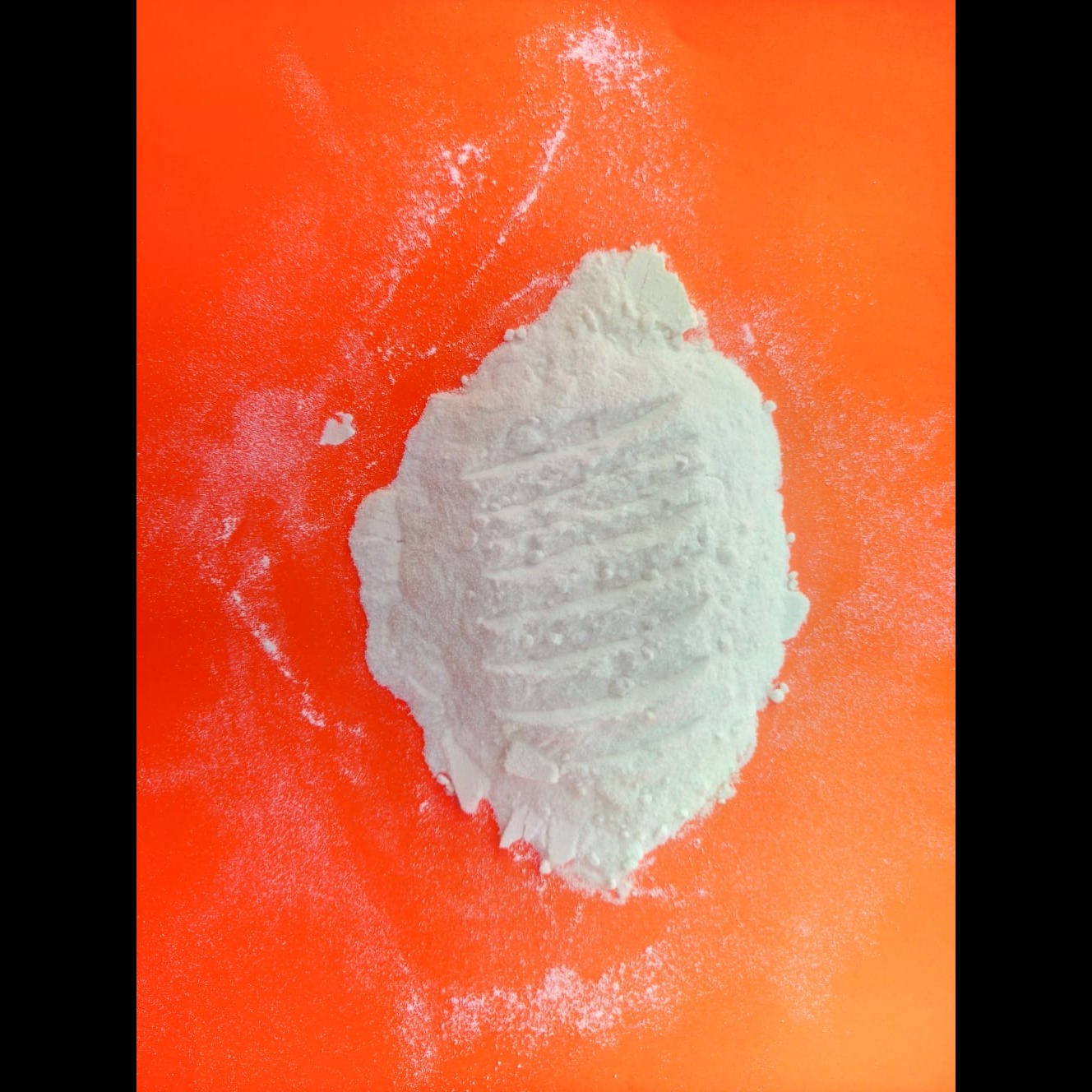
Sodium Acetate for Metal Surface Passivation
Overview:
Sodium acetate (CH₃COONa) is the sodium salt of acetic acid. It is widely used in metal finishing and surface treatment processes — particularly in passivation baths, electropolishing, and post-cleaning neutralization — due to its buffering capacity and mild alkaline nature.
Role in Metal Surface Passivation
Passivation is the process of forming a protective oxide film on the metal surface to prevent corrosion. Sodium acetate contributes to this process in several ways:
pH Buffering Agent:
Sodium acetate is often added to passivation baths (especially for stainless steel, aluminum, or zinc) to maintain a stable pH in the range of 4.5–6.5 when combined with weak acids (like acetic acid).
This controlled environment ensures uniform oxide film formation and minimizes metal attack.
Neutralization Step After Acid Pickling:
After acid pickling (HNO₃, H₂SO₄, or HCl), residual acid on the metal surface can cause flash rusting.
A sodium acetate rinse helps neutralize acid residues and stabilize the passive layer, improving corrosion resistance.
Buffer for Electropolishing Solutions:
In electropolishing or chemical polishing processes, sodium acetate helps in smoothing the surface and controlling hydrogen ion concentration.
Minimizes Smut Formation:
Especially on stainless steels, sodium acetate can reduce smut or stains that form during nitric acid passivation by stabilizing the oxide layer.
Typical Application Parameters
ParameterTypical Range / NoteConcentration10–50 g/L in solution (depending on metal and purpose)pH range4.5–6.5 (buffered with acetic acid)Temperature40–70°CTreatment Time5–30 minutesCompatible MetalsStainless steel, aluminum, zinc, mild steel (as post-treatment rinse)
Example Formulation for Passivation Bath (Stainless Steel)
ComponentAmountSodium acetate25 g/LAcetic acid (glacial)10 mL/LDeionized waterBalancepHAdjust to 5.5Temperature60°CImmersion time15 minutes
After treatment, rinse with deionized water and dry in hot air.
Advantages
Environmentally safer compared to strong mineral acids.
Non-toxic, biodegradable, and easy to handle.
Provides consistent pH control, preventing over-etching
Enhances corrosion resistance and surface brightness.
Limitations
Not suitable for heavy oxide or scale removal (requires pre-pickling).
May not provide sufficient passivation alone for highly reactive metals (needs combination with nitric or citric acid).
Would you like me to prepare a product datasheet (PDF) for “Sodium Acetate – Metal Surface Passivation Grade” including technical specs, properties, and recommended applications (for use on your Laxmi Enterprise website or catalog)?
Sodium Acetate for Chemical Effluent Treatment
Overview
Sodium acetate (CH₃COONa) is a biodegradable, non-toxic organic salt widely used in industrial wastewater and effluent treatment. Its primary role is to serve as a carbon source for biological treatment processes, enhancing the removal of nitrates, phosphates, and heavy metals from effluent streams.
Functions in Effluent Treatment
1. Carbon Source for Denitrification
Many chemical and petrochemical effluents lack sufficient biodegradable carbon for effective biological nitrogen removal.
Sodium acetate provides an easily assimilable carbon source for denitrifying bacteria, enabling the conversion of:
This helps meet nitrogen discharge limits in compliance with CPCB (India) and EPA (global) standards.
2. Enhancing Biological Oxygen Demand (BOD/COD) Ratio
In low-BOD effluents (like electroplating or dye plant waste), sodium acetate increases the BOD/COD ratio, promoting microbial activity and improving biodegradability.
3. pH Buffering
Acts as a mild buffer in the pH range of 4.5–6.5, stabilizing treatment conditions and preventing shock loads on biological systems.
4. Metal Precipitation Aid
In combination with calcium or magnesium salts, sodium acetate can form insoluble metal acetates, helping in partial precipitation of heavy metals like Cu, Zn, and Pb during chemical treatment.
5. Supporting Nitrification/Denitrification Cycles in MBBR & SBR Plants
Commonly used in Moving Bed Biofilm Reactors (MBBR) and Sequencing Batch Reactors (SBR) to support bacterial metabolism when influent organic carbon is insufficient.
Typical Application Parameters
Parameter Typical Range / Note
Form Powder or 30% aqueous solution
Dosage 20–150 mg/L as COD equivalent (adjusted per influent load)
pH range Effective in 6.0–8.0
Point of addition Anoxic tank or biological aeration basin
Mode Continuous or pulse dosing with flow-proportionate control
Example: Denitrification Support in ETP
Process Step Typical Value
Influent Nitrate (NO₃⁻–N) 25 mg/L
Sodium Acetate Dose 60–100 mg/L (as COD)
pH 7.0 ± 0.2
Result >90% nitrate removal efficiency
Advantages
Readily biodegradable and eco-friendly.
Safe handling and storage compared to methanol or ethanol.
Provides consistent, controlled carbon availability.
Reduces sludge production vs. raw organic wastes.
Compatible with existing ETP/STP biological systems.
Limitations
Overdosing may increase effluent COD temporarily.
May require pH correction if used with acidic waste streams.
Not suitable as a sole treatment for toxic or high-metal effluents (must combine with other reagents).
Product Grades Available
Grade Purity Typical Use
Technical 98% min General wastewater treatment
Industrial 99% min Nitrate removal, buffer applications
Food / Pharma 99.5% min Sensitive biological systems
Would you like me to create a technical datasheet (PDF) for “Sodium Acetate – Effluent Treatment Grade” including:
Product specifications
Application guidelines
Dosage calculation example
Safety and handling info
ChatGPT said:
Sodium Acetate for Water Treatment Industry
Overview
Sodium acetate (CH₃COONa) is a versatile, eco-friendly chemical widely used in the water and wastewater treatment industry. It serves primarily as a biological nutrient (carbon source) and a pH buffer, supporting various biological and chemical treatment processes. Its non-toxic and biodegradable nature makes it an excellent alternative to traditional organic carbon sources like methanol or ethanol.
Key Functions in Water Treatment
1. Carbon Source for Biological Treatment
Sodium acetate provides readily available organic carbon to microorganisms in biological treatment systems.
Essential for denitrification and phosphorus removal processes in:
Municipal wastewater treatment plants (WWTPs)
Industrial effluent treatment plants (ETPs)
Sewage treatment plants (STPs)
Reaction:
This helps reduce total nitrogen (TN) and nitrate levels to meet discharge norms.
2. pH Buffering and Stabilization
Sodium acetate, in combination with acetic acid, maintains stable pH between 4.5 and 6.5.
Prevents sudden pH fluctuations that can harm microbial populations or reduce process efficiency.
3. Improves Biological Activity
Boosts microbial metabolism in activated sludge, MBBR, and SBR systems.
Enhances BOD/COD balance in low-organic influents, improving biodegradability and overall treatment performance.
4. Corrosion Control & Metal Treatment Support
Acts as a mild buffer in corrosion inhibitor formulations for cooling water systems.
Used in metal passivation and rinsing processes where effluents need pH stabilization before discharge.
5. Safe Alternative to Methanol
Unlike methanol, sodium acetate is non-flammable, non-toxic, and easy to store and handle.
Ideal for automated carbon dosing systems in modern treatment plants
• sodium acetate
• sodium acetate anhydrous
• sodium acetate trihydrate
• sodium acetate buffer
• sodium acetate CAS 127-09-3
• sodium acetate E262
• sodium ethanoate
• sodium salt of acetic acid
• sodium acetic acid
• sodium CH3COO
• natrii acetas
• hot ice (trihydrate)
• sodium acetate hydrate