

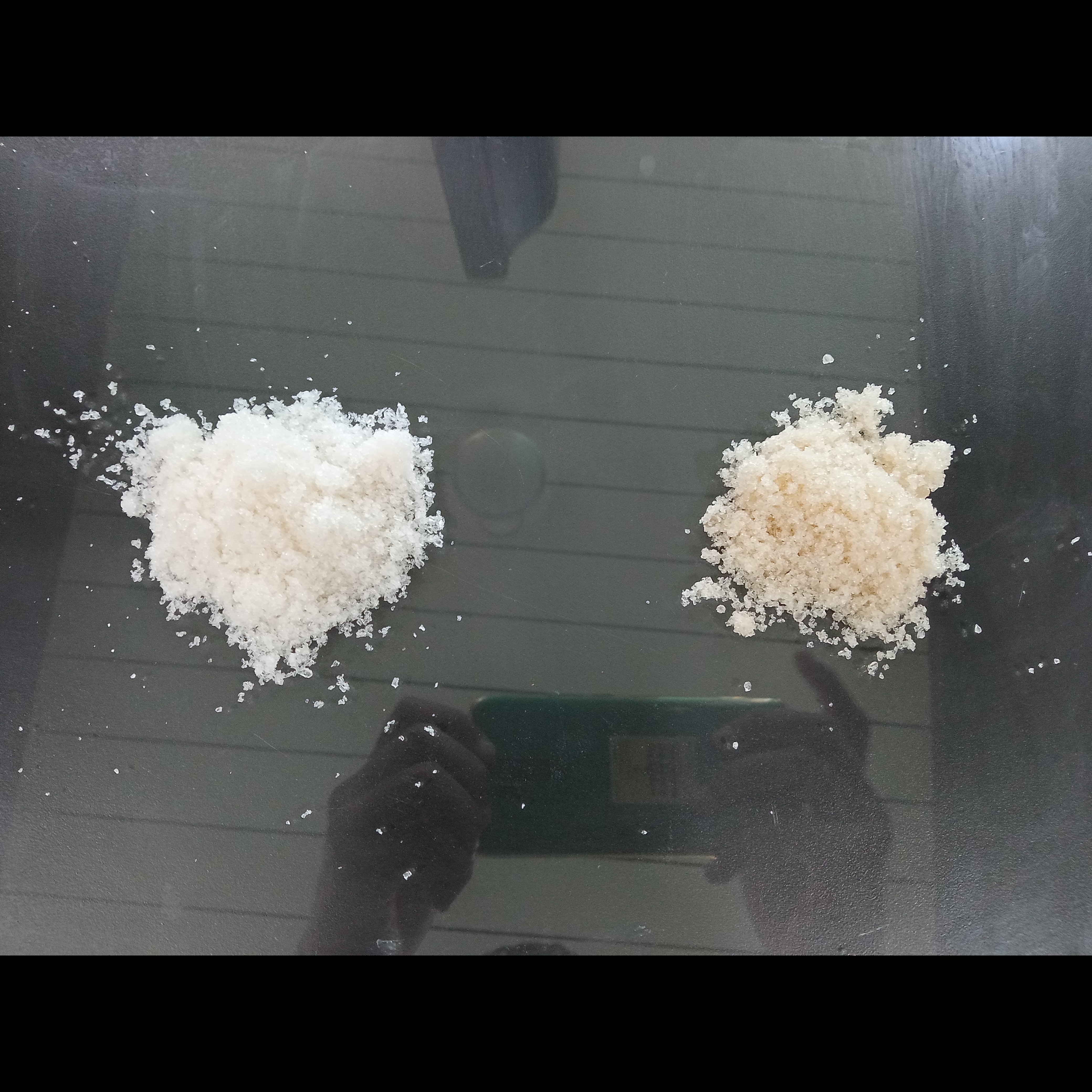
Nice — here’s a compact, practical, and safety-focused summary for sodium acetate (CH₃COONa) covering toxicity,
routes of exposure, first aid, occupational controls, storage, environmental notes, and disposal.
If you want, I can turn this into a printable one-page SDS summary or supplier TDS.
Sodium acetate — toxicity & safety (at-a-glance)
General statement:
sodium acetate is considered to have low acute toxicity.
It’s widely used in food and industry (buffers, preservatives,
processing aid).
Hazards are mostly irritation from dust and effects from large oral doses
(osmotic diarrhea / laxative effect). Normal handling with basic industrial hygiene controls is adequate.
Health effects
Acute toxicity
Oral:
Low toxicity at typical exposure levels. Very large oral doses can cause gastrointestinal upset, nausea, vomiting, and diarrhea (osmotic/laxative effect).
Inhalation:
Dust may irritate upper respiratory tract; heavy prolonged inhalation of fine dust can cause coughing or sore throat.
Skin:
Mild irritant for sensitive skin after prolonged contact; not a known skin sensitizer.
Eyes:
Solid or dust can cause mechanical irritation and redness; possible conjunctivitis if not rinsed.
Chronic: No strong evidence of serious chronic systemic toxicity at occupational exposure levels.
No specific carcinogenicity classification for sodium acetate.
Special populations
Children & infants: more susceptible to electrolyte shifts if large amounts ingested.
Pregnancy & lactation:
limited specific data — use standard caution;
avoid unnecessary exposure and ingestion.
Routes of exposure
Ingestion (accidental or deliberate)
Inhalation of dust/aerosols
Eye contact with dust/solutions
Prolonged skin contact with concentrated solutions or powder
First aid
Inhalation
Move to fresh air. If breathing difficulty,
give oxygen and seek medical attention.
If symptoms persist, see a physician.
Skin contact
Remove contaminated clothing. Wash skin with soap and water for ≥15 minutes.
Seek medical attention if irritation persists.
Eye contact
Rinse cautiously with water for at least 15 minutes,
holding eyelids open.
Remove contact lenses if easy to do.
Get medical attention if irritation continues.
Ingestion
Rinse mouth. Do not induce vomiting unless instructed by medical personnel.
If large amounts swallowed or symptoms (vomiting, severe diarrhea, dizziness) occur,
seek medical attention.
Occupational exposure controls & PPE
Engineering controls
Use local exhaust ventilation where dust is generated.
Enclosed processes when feasible.
Respiratory protection
If airborne concentrations exceed safe levels (dusty conditions), use an appropriate respirator (e.g., dust/mist filter respirator rated N95 or better;
for high exposures use a P2/P3 cartridge or supplied-air as required by risk assessment).
Hand & skin protection
Nitrile or other chemical-resistant gloves for repeated or prolonged contact.
Long sleeves / protective clothing if dusty or working with solutions.
Eye protection
Safety goggles or splash shield when handling powders or solutions.
Hygiene
Do not eat, drink,
or smoke in work areas. Wash hands before breaks and after work.
Fire & explosion
Non-flammable, non-combustible.
Use extinguishing media appropriate for surrounding fire (water, foam, CO₂).
Thermal decomposition may produce irritating gases (oxides of carbon/sulfur) — use breathing apparatus for firefighting.
Reactivity & incompatibilities
Stable under normal conditions.
Avoid contact with strong oxidizers and highly reactive metals in extreme conditions.
Solutions are mildly basic;
avoid mixing with strong acids without controls.
Environmental
Readily soluble in water.
Not highly bioaccumulative.
Large releases to waterways should be avoided (can raise local ionic strength / affect aquatic life).
Notify authorities per local spill regulations for significant releases.
Spills & cleanup
For small spills:
sweep up dry with a dustpan (use vacuum with HEPA filter or wet methods to avoid dust),
place in suitable container for disposal.
For large spills:
prevent entry to drains/waterways, use containment, collect for disposal,
and notify authorities if required.
Wear PPE to avoid dust inhalation and eye contact during cleanup.
Disposal
Dispose of as non-hazardous industrial waste under typical conditions — follow local, regional,
and national regulations.
Avoid discharge in large quantities to sewers or surface waters without treatment.
Regulatory / labelling notes (high level)
Food-grade sodium acetate is widely accepted as GRAS/approved for many uses when used within GMP (in foods it’s often used as E262).
For industrial shipments,
check local SDS for classification;
it’s usually not classified as hazardous for transport under UN rules,
but check specific country rules and the supplier SDS.
Practical workplace limits & monitoring
There is no widely adopted specific OSHA PEL for sodium acetate dust.
Use dust control to keep airborne particulate below general nuisance/inhalable dust limits,
and follow your local occupational exposure guidance.
Routine workplace air monitoring for dust and periodic medical surveillance if heavy exposures are possible.
When to consult the SDS / get laboratory data
For exact LD₅₀ figures, specific impurity profiles,
food-grade vs technical grade specifications, and detailed toxicology studies,
always consult the manufacturer’s SDS and Certificate of Analysis (COA). If you want,
I can draft a short SDS summary template you can populate with supplier values.
3. European Union (EFSA / EU Food Additives Regulation)
E-Number:
Sodium Acetate = E262(i)
Sodium Diacetate = E262(ii)
As a Processing Aid:
Allowed for pH control and fermentation aid in certain manufacturing processes.
Not considered a food additive if:
It does not serve a technological purpose in the final product.
It remains in insignificant quantities.
When Used as an Additive: