

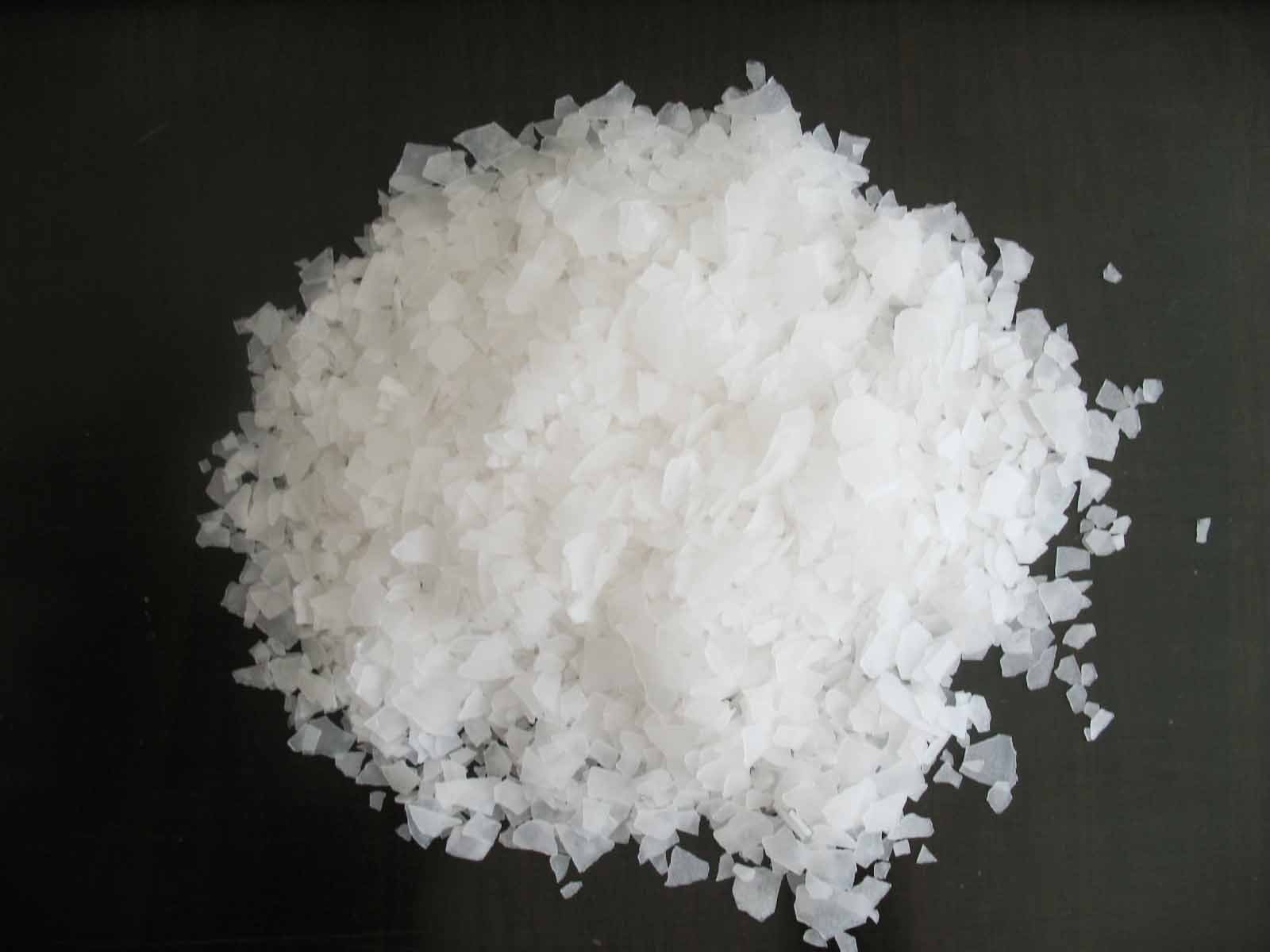
Sodium Nitrate (NaNO₃) in Concentrated Solar Power (CSP) Sodium nitrate is a core component of molten salt systems used in concentrated solar power plants for both heat transfer and thermal energy storage (TES).
Heat Transfer Fluid (HTF)
- Used in molten salt mixtures to transfer heat from the solar receiver to storage and power block.
- Operates at high temperatures with good thermal stability.
Thermal Energy Storage (TES)
- Enables dispatchable solar power (electricity generation after sunset).
- Stores energy as sensible heat in molten salt tanks.
- SystemComposition (wt%)Melting Point
- Solar Salt (most common)60% NaNO₃ / 40% KNO₃~220 °CHITEC®53% KNO₃ / 40% NaNO₂ / 7% NaNO₃~142 °CTernary nitrate saltsNaNO₃–KNO₃–Ca(NO₃)₂<200 °C
- PropertySodium NitrateMelting point308 °C (pure)Density (molten)~1.9 g/cm³Specific heat (molten)~1.5 kJ/kg·KThermal conductivity~0.5 W/m·KDecomposition onset>600 °C
High thermal stability
Low vapor pressure → safe at high temperature
Non-flammable
Cost-effective and widely available
Compatible with carbon steel (under controlled conditions)
Solar salt freezes near 220 °C
Requires heat tracing & careful startup procedures
Nitrates can cause high-temperature oxidation
Controlled via:
Low chloride & sulfate impurities
Oxygen control in tanks
Material selection (carbon steel / stainless steel)
Certification Sodium Sulphate for Detergents
Detergent Grade Sodium Sulphate
Sodium Sulphate in Powdered Detergents
Laundry Chemicals Supplier
Sodium Sulphate for Textile Processing
Textile Chemicals Supplier
Dye Fixing Agent Chemicals
Sodium Sulphate in Dyeing
Sodium Sulphate for Glass Manufacturing
Sodium Sulphate for Kraft Proces
Sodium Sulphate for Paper Industry
Industrial Chemicals for Glass Production
Request Sodium Sulphate Quote
Bulk Sodium Sulphate Pricing
Sodium Sulphate MSDS Download
REACH-Compliant Sodium Sulphat
Sodium Sulphate with COA and S
“Get a Free Quote Now”
“Download Product Specifications”
“Request SDS & COA”
“Talk to a Product Expert”
“Order a Sample Batch”
- High thermal stability at CSP operating temperatures
- High heat capacity → efficient energy storage
- Low vapor pressure → safe at high temperature
- Cost-effective and widely available compared with specialty salts
NaNO₃ is rarely used alone; it is blended to optimize melting point and performance.
NameComposition (wt%)Freezing PointSolar Salt (industry standard)60% NaNO₃ / 40% KNO₃~220 °CHITEC®7% NaNO₃ / 53% KNO₃ / 40% NaNO₂~142 °CTernary nitrate saltsNaNO₃–KNO₃–Ca(NO₃)₂<200 °C
PropertyTypical ValueOperating temperature290–565 °CSpecific heat~1.5 kJ/kg·KDensity~1.8–1.9 g/cm³Thermal conductivity~0.5 W/m·KDecomposition onset>600 °C
ParameterTypical CSP LimitNaNO₃ purity≥99.5%Chloride<0.1%Sulfate<0.3%Moisture<0.05%Insolubles<0.02%
Solar salt freezes at ~220 °C
Requires heat tracing, controlled startup/shutdown
Nitrates promote high-temperature oxidation
Managed via material selection and impurity control
Ion chromatography: nitrate, nitrite, chloride, sulfate
Moisture analysis: Karl Fischer
DSC/TGA: melting point and stability
Regular sampling from hot & cold tanks
Spain, USA, China, Middle East, India
NaNO₃ demand growing with grid-scale thermal storage
Key Takeaway
Sodium nitrate is indispensable in CSP molten-salt systems, providing efficient heat transfer and long-duration energy storage—provided strict purity control and thermal management are maintained.
Sodium Nitrate (NaNO₃) as a Corrosion Inhibitor
Sodium nitrate is widely used as an anodic corrosion inhibitor, particularly for carbon steel and mild steel in alkaline and neutral aqueous systems.
Anodic passivation mechanism
- Nitrate ions (NO₃⁻) act as oxidizing agents
- Promote formation of a stable passive oxide film (Fe₂O₃ / Fe₃O₄) on steel
- Suppress iron dissolution at anodic sites
ApplicationFunctionClosed-loop cooling waterPrevents steel corrosionDistrict heating systemsAnodic passivationConcrete admixturesRebar corrosion inhibitionOil & gas water systemsCO₂ corrosion controlIndustrial water treatmentSteel protection
Most effective at pH > 8
Performance drops in acidic environments
Often combined with alkalinity builders (NaOH, Na₂CO₃)
Synergistic additives
- Sodium nitrite (stronger passivator)
- Molybdates (mixed inhibition)
- Phosphates (film stabilization)
Antagonistic ions
- Chloride (Cl⁻) – promotes pitting
- Sulfate (SO₄²⁻) – can undermine passivation at high levels
- Non-volatile, thermally stable
- Less toxic than chromates
- Good performance in high-temperature systems
- Maintain NO₃⁻ / Cl⁻ ratio > 1.5–2
- Regular ion chromatography testing
- Monitor corrosion rate (LPR probes, coupons)
ParameterNaNO₃NaNO₂Inhibition strengthModerateStrongRequired doseHigherLowerToxicityLowerHigherOxidizing powerLowerHigher
Sodium nitrate is a reliable anodic corrosion inhibitor for steel when properly dosed and pH-controlled, especially where nitrite toxicity or regulations are a concern.
Sodium nitrate is widely used as a high-temperature heat-transfer and thermal-storage medium, mainly in molten salt systems for industrial and energy applications.
High thermal stability at elevated temperatures
Good heat capacity → efficient energy transport
Low vapor pressure → safe operation at high T
Non-flammable and chemically stable
Cost-effective compared to specialty HTFs
SystemComposition (wt %)Freezing PointUseSolar Salt60% NaNO₃ / 40% KNO₃~220 °CCSP HTF & TESHITEC®7% NaNO₃ / 53% KNO₃ / 40% NaNO₂~142 °CIndustrial HTTernary nitratesNaNO₃–KNO₃–Ca(NO₃)₂<200 °CNext-gen CSP
PropertyTypical ValueOperating range290–565 °CSpecific heat~1.5 kJ/kg·KDensity~1.8–1.9 g/cm³Thermal conductivity~0.5 W/m·KDecomposition onset>600 °C
FeatureSodium Nitrate SaltsThermal OilsMax temperature>560 °C~300–400 °CFire riskNoneHighDegradationLowHighPressureAtmosphericPressurized
Hygroscopic → moisture control required
Stored dry; molten salt handled above freezing point
Non-toxic but oxidizing
Buy Sodium Nitrate
Sodium Nitrate for Sale
Sodium Nitrate Supplier
Sodium Nitrate Manufacturers
Sodium Nitrate Wholesale
Industrial Grade Sodium Nitrate
Food Grade Sodium Nitrate
High Purity Sodium Nitrate
Sodium Nitrate Fertilizer
Nitrogen Fertilizer Supplier
Nitrate-Based Fertilizers
Crop Nutrition Solutions
Sodium Nitrate Supply for Industrial Use
Sodium nitrate (NaNO₃) is a strategic industrial chemical with demand across energy, chemicals, water treatment, explosives, glass, and specialty metallurgy. Below is a practical supply-chain–oriented overview covering sources, grades, specifications, logistics, and procurement risks.
Heat transfer & thermal storage (CSP molten salts)
Corrosion inhibition (cooling/closed-loop systems)
Glass & ceramics
Explosives / mining
Water treatment & specialty chemicals
Pharmaceutical & lab reagents (minor share)
Chile – natural nitrate (caliche); very stable supply
China – synthetic & refined; largest volume exporter
India – growing capacity (industrial & technical grades)
Europe (Poland, Germany) – high-purity & specialty
Asia-Pacific: China, India dominate supply
Middle East: Import-dependent (China/India/Chile)
Africa: Import-dependent
GradePurityTypical UsesTechnical / Industrial98.5–99.5%General industry, glassCSP / HTF grade≥99.5%Molten salts, energyLow-chloride grade≥99.5%Corrosion-sensitive systemsExplosives grade≥99%Mining, blastingAnalytical / Pharma≥99.9%Labs, pharma
- 25 kg / 50 kg HDPE or PP bags
- 1 MT jumbo bags
- Bulk shipments (large CSP projects)
Storage: dry, ventilated, away from organics (oxidizer).
- Export controls (China)
- Oxidizer transport regulations
- Freight volatility
- Impurity variability (Cl⁻, SO₄²⁻)
UN 1498 (oxidizing solid)
HS Code: 2834.21
SDS mandatory
Import restrictions in explosives applications
Define application-specific specs
Lock chloride & moisture limits
Audit producer impurity control
Pilot test for corrosion or thermal stability
Reliable sodium nitrate supply depends on grade selection, impurity control, and logistics planning, especially for energy and corrosion-sensitive industrial uses.
SODIUM NITRATE AS CORROSION INHIBITOR.LAXMI ENTERPRISE. VADODRA