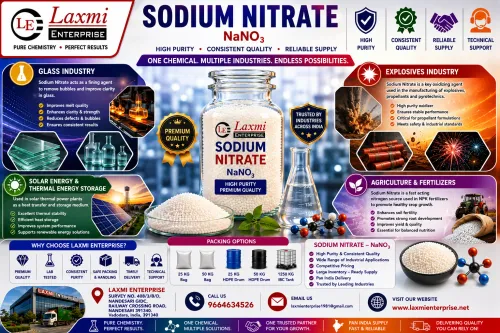


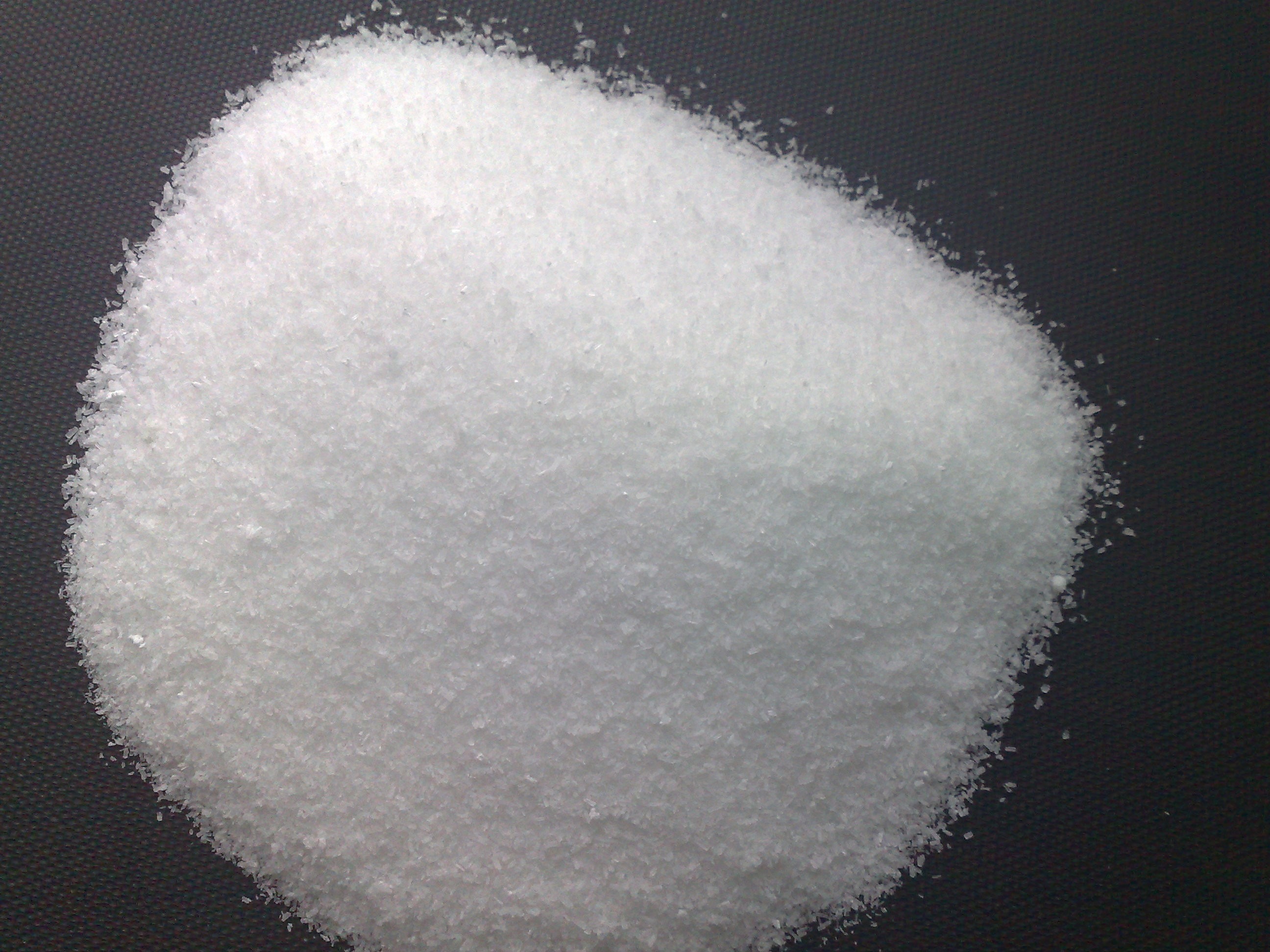
Sodium Nitrate as a Corrosion Inhibitor for Steel Sodium nitrate (NaNO₃) is a well-known anodic corrosion inhibitor for carbon steel and mild steel, used mainly in aqueous, neutral–alkaline systems.
nodic Passivation Mechanism NO₃⁻ ions act as mild oxidizers Promote formation of a compact passive iron-oxide film (Fe₂O₃ / Fe₃O₄) Reduce iron dissolution at anodic sites Shift corrosion potential to more.
- Best: pH 8.0–10.5
- Below pH 7 → passivation weakens
Concentration Guidelines
- Typical dosage: 500–3000 ppm NO₃⁻
- In chloride-containing waters:
TemperatureBehaviorAmbient–60 °CVery effective60–120 °CEffective with higher dosage>120 °C (aqueous)Limited data / cautionMolten nitrate (>300 °C)Not an inhibitor (corrosive medium)
Chloride-Containing Systems
- Sodium nitrate suppresses chloride-induced pitting
- Maintains passive film stability
Sulfate / Carbonate Systems
- Generally compatible
- Minimal negative interaction
InhibitorStrengthNotesSodium nitrateModerateEconomical, saferSodium nitriteStrongMore toxic, tightly regulatedSodium chromateVery strongEnvironmental restrictionsMolybdateModerateEco-friendly, costlyPhosphateMixedScale/sludge risk
Closed-loop cooling systems
Heat exchangers (carbon steel)
Hydrostatic pressure testing fluids
Fire protection water systems
Rebar protection in concrete
Oil & gas water injection systems
System: Carbon steel cooling loop
- Chloride: 700 ppm
- Target nitrate: 1200–2000 ppm NO₃⁻
- pH maintained at 8.5–9.5
Result → Corrosion rate typically <0.1 mm/year
Sodium nitrate is a proven high-temperature thermal storage salt, used mainly in concentrated solar power (CSP) and industrial heat-storage systems, either alone or more commonly as part of molten-salt mixtures.
PropertyValueChemical formulaNaNO₃Melting point
306–308 °COperating temperature (practical)
300–565 °CDensity (molten, 350 °C)~1.9 g/cm³Specific heat capacity (molten)
1.5–1.6 kJ/kg·KLatent heat of fusion~175–180 kJ/kgThermal conductivity (molten)~0.5 W/m·KDecomposition onset>565 °C
Phase change at ~306 °C
Moderate latent heat
Less favored due to volume change and thermal cycling stress
Componentwt%Sodium nitrate (NaNO₃)60%Potassium nitrate (KNO₃)40%
Compatible with carbon steel and low-Cr steels below 565 °C
Corrosion increases with:
- Nitrite buildup
- Oxygen ingress
- Moisture contamination
Concentrated Solar Power (tower & trough)
Industrial waste-heat recovery
Thermal batteries
High-temperature heat transfer loops
Salt SystemMelting Point (°C)Max Temp (°C)NaNO₃306565Solar Salt220565Nitrate–nitrite blends140–160500Chloride salts400–500>700
Sodium nitrate is a reliable, industry-proven thermal storage medium, best used as part of a molten-salt blend (solar salt) to reduce freezing risk and improve operability.
Nitrate-based fertilizers supply nitrogen in the NO₃⁻ form, which is immediately available to plants and plays a critical role in rapid vegetative growth, yield formation, and nutrient uptake balance.
FertilizerN (%)Other NutrientsCalcium nitrate~15.5Ca (19%)Potassium nitrate~13K (44–46% K₂O)Sodium nitrate~16Na (not essential)Magnesium nitrate~10–11MgAmmonium nitrate~34NH₄⁺ + NO₃⁻
Immediate Nitrogen Availability
- Taken up directly by roots
- No microbial conversion needed (unlike urea)
Crop TypeBenefit of NitrateLeafy vegetablesRapid growth, deep green colorFruit vegetablesImproved fruit size & firmnessPotatoesBetter tuber bulkingCottonUniform vegetative growthSugarcaneEnhanced tilleringCerealsBalanced vegetative–reproductive growth
ParameterNitrate (NO₃⁻)Ammonium (NH₄⁺)AvailabilityImmediateNeeds conversionRoot zone pHRaises / neutralAcidifiesToxicity riskLowHigh if excessLeaching riskHigherLowerSoil compatibilityNeutral–alkaline soilsAcid soils
- Soil pH: Neutral to alkaline soils
- Irrigation: Frequent, controlled (to reduce leaching)
- Growth stage: Peak vegetative & reproductive phases
- Climate: Cool to moderate temperatures
Soil Application
- Split doses to reduce leaching
- Often combined with ammonium or urea
Fertigation (Highly Effective)
- Fast correction of nitrogen deficiency
- Precise nutrient delivery
Foliar Feeding
- Rapid greening
- Used for emergency nitrogen correction
High leaching potential in sandy soils
PropertyValue (Approx.)Chemical formulaNaNO₃Melting point306–308 °CRecommended operating range300–565 °CDensity (molten, 350 °C)~1.9 g/cm³Specific heat capacity (Cp, molten)1.5–1.6 kJ/kg·KThermal conductivity (molten)~0.5 W/m·KViscosity (molten, 350 °C)~3–4 mPa·sVapor pressureNegligible
Compatible with carbon steel and low-Cr steel below 565 °C
Corrosion increases with:
- Nitrite formation (NO₂⁻)
- Oxygen/moisture contamination
Stainless steels offer better long-term stability
Periodic salt chemistry control required
- Concentrated solar power (receiver → storage → steam generator)
- Industrial furnaces & kilns
- High-temperature chemical reactors
- Waste-heat recovery systems
- Thermal batteries & energy storage loops
Sodium nitrate is a reliable, proven heat-transfer medium for high-temperature systems, but in practice it is most effective when blended (solar salt) to reduce freezing risk and improve operability.
How to Store Sodium Nitrate
Where to Buy Sodium Nitrate Online
Sodium Nitrate Chemical Properties
Shipping Regulations for Sodium Nitrate
Bulk Sodium Nitrate Supplier
Industrial Chemicals Exporter
Request Sodium Nitrate Quote
Certified Sodium Nitrate Exporter
REACH Compliant Sodium Nitrate
“Looking for Bulk Sodium Nitrate? We’ve Got You Covered”
“High-Purity Sodium Nitrate Now Available – Get a Quote Today”
“Trusted Sodium Nitrate Supplier for Industrial & Food Applications”
“Export-Ready Sodium Nitrate with Full Compliance Certifications”
“Download SDS & Product Specs”
“Request a Free Sample or Quote”
“Talk to a Product Specialist”
“View Our Export Documentation”