

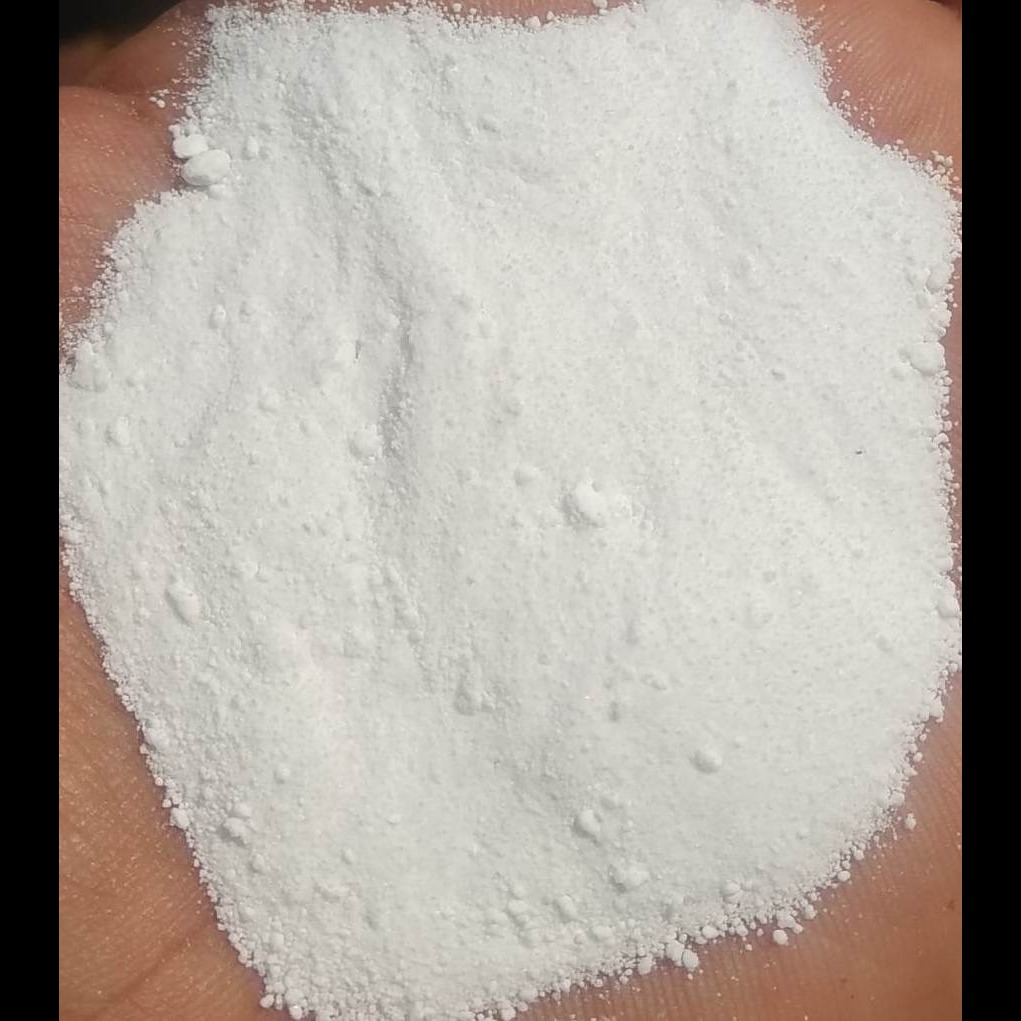
Sodium nitrate — role in detergent manufacturing
Typical function: Sodium nitrate is not a common primary active ingredient in household detergents,
but in some industrial/technical detergent formulations it can be used as an oxidizing agent / oxygen source,
a corrosion inhibitor or stabilizer in powder systems, or as a processing aid.
Why used (advantages):
Supplies oxygen for oxidation/bleaching in powder formulations where peroxides are controlled.
Can help stabilize certain builders or inhibit corrosion in metal-cleaning formulations.
Why it’s limited:
Environmental concerns (nitrate discharge, eutrophication) and regulatory limits on nitrate in effluents.
Oxidizing nature requires careful compatibility control with organics and reducing agents.
Formulation notes (practical):
Avoid mixing with organic builders or reducing bleaching agents without testing.
Control particle size & humidity in powders to limit hot spots and caking.
Consider alternatives (percarbonate/perborate, oxygen bleach systems) where nitrate discharge is an issue.
2) Sodium nitrate — Handling & Safety Protocols (SDS / SOP ready)
Below is a concise, implementation-ready safety module you can insert into training manuals or the SDS.
Chemical identity
Name: Sodium nitrate
Formula: NaNO₃
CAS: 7631-99-4
UN number: 1498
Hazard class: Oxidizing solid (GHS Ox. Sol. Cat.3)
Hazards summary
Main hazards: Strong oxidizer — accelerates combustion of
flammables/organics; supports fire even without air. Skin/eye/respiratory irritation; ingestion risk
(methemoglobinemia in infants if in drinking water).
Physical data: White crystalline solid; m.p. ≈ 308°C; highly soluble in water.
PPE (minimum)
Chemical-resistant gloves (nitrile/neoprene)
Safety goggles + face shield for bulk handling
Lab coat or chemical-resistant coveralls (anti-static if dust present)
Respiratory protection (P2/P3 dust filter or respirator) when dust/aerosols likely
Safety shoes; work in non-sparking footwear where relevant
Storage & segregation
Storage conditions: Cool, dry, well ventilated; off the floor on pallets; keep containers tightly closed.
Segregate from:
Organic materials, fuels, oils, reducing agents, strong acids, combustible packaging.
Incompatibles:
Sulfites, metal powders, finely divided organic materials, chlorates/perchlorates (avoid mixing).
Max temperature:
avoid storage where temps approach decomposition; keep away from direct heat sources.
Handling best-practices / SOP (quick)
Train staff on oxidizer hazards and emergency response.
Use closed transfer systems or minimize open handling; employ local exhaust ventilation.
Use non-sparking tools and conductive containers where dust/aerosols exist.
Avoid contamination of product with organic matter; clean equipment immediately after use.
Monitor inventory and rotate stock to prevent prolonged storage.
Spill & cleanup
Evacuate area if large dust cloud.
Remove ignition sources;
do not use dry sweeping if it disperses dust — use vacuum with HEPA and grounded equipment or wet method (avoid runoff into drains).
Collect into clean, labeled, sealed containers for disposal.
Wash area with plenty of water;
prevent effluent discharge to natural waters — collect wastewater for treatment.
Firefighting
Sodium nitrate is an oxidizer — extinguish surrounding fuels with water.
Do not use dry chemical extinguishers as sole method; water spray/flooding preferred.
Firefighters: SCBA and full protective clothing. Cooling unaffected containers with water.
First aid
Inhalation: Move to fresh air;
seek medical attention if symptoms persist.
Skin: Wash with soap & water;
remove contaminated clothing.
Eyes: Rinse >15 minutes; seek medical attention.
Ingestion: Rinse mouth; do not induce vomiting; seek immediate medical attention.
Waste & environmental controls
Collect waste as hazardous oxidizer waste.
Do not discharge to sewer or surface waters without treatment — nitrates cause eutrophication.
Work with permitted waste carriers for disposal or controlled neutralization where allowed.
Emergency contacts & documentation
Always keep the current SDS available in work areas and on the plant intranet.
Post local emergency phone numbers and the route to medical facilities.
3) Nitrates (sodium nitrate) in ceramic & glass production
Uses
Fining/deflocculant aid:
Nitrates can act as oxygen donors during firing,
promoting removal of gaseous inclusions (finer glass) in controlled formulations.
Flux/processing aid:
In some specialty ceramic or glass formulations,
nitrates act as low-temperature fluxing or processing aids (they melt/decompose and influence viscosity).
Colorant/oxidation control:
Nitrate-derived oxygen can affect oxidation state of metal colorants (e.g., iron, copper) during firing — useful to achieve desired glazes.
Thermo-chemical behavior (practical)
Melting point ≈ 308°C — melts before typical firing ramps;
thermal decomposition and oxygen evolution occur at elevated temperatures.
Gas release during decomposition can cause bubbling/porosity if
nitrate-containing components are not decomposed prior to vitrification.
Control heating ramps to avoid defects.
Process control recommendations
Pre-blend uniformly and dry to avoid local hotspots and gas pockets.
Use controlled heating ramps: slow through decomposition range to allow gases to escape.
Test small batches to evaluate impact on bubble formation and color development.
Avoid using nitrate-containing mixes where organic
binders/organics are present without controlled burnout.
Occupational & environmental notes specific to kiln use
Ensure kiln exhaust is filtered/treated if using nitrate-rich batches to avoid nitrate-laden emissions or deposits.
Avoid long-term accumulation of nitrate residues in scavenging
systems or kiln furniture — clean regularly.
Quick checklists & templates (copy/paste)
Daily handling pre-shift checklist (operators)
SDS on-site & available
PPE checked & worn (gloves, goggles, mask)
Storage area tidy & segregated from organics
HVAC/local exhaust functioning
Fire extinguishers & spill kits available
Storage label (bold)
SODIUM NITRATE (NaNO3)
OXIDIZING SOLID — KEEP AWAY FROM ORGANICS & REDUCERS
UN 1498 | CAS 7631-99-4
STORE COOL, DRY, WELL-VENTILATED
EMERGENCY: [insert site emergency number]
Simple SOP for small-batch transfer
Don PPE. Verify container integrity.
Ground container & use non-sparking scoop. Minimize dust.
Transfer into clean, labeled container; avoid spills.
Clean tools immediately; return unused material to sealed storage.
Log lot number, quantity, and operator on transfer log.
Regulatory & environmental cautions
Because nitrates can cause eutrophication,
monitor effluent nitrate levels and comply with local discharge limits.
Keep copies of local regulations and set internal discharge targets stricter than legal limits to reduce risk.