

Product Name:
Ammonium Sodium Bifluoride (ASBF)
Chemical Formula: (NH₄)HF₂·NaF or NH₄NaF₂
CAS No.: 1341-49-7
Molecular Weight: 79.04 g/mol
Applications – Metal Passivation
Ammonium Sodium Bifluoride is commonly used in metal surface treatment and passivation processes to enhance corrosion resistance and improve adhesion of coatings.
Key Uses:
Stainless Steel Passivation: Removes oxides and impurities, producing a uniform passive layer.
Aluminium & Zinc Surface Preparation: Cleans and conditions before anodizing or coating.
Metal Cleaning: Replaces hydrofluoric acid in safer formulations.
Etching & Brightening: For stainless steel and other alloys.
Chemical Properties
Decomposes when heated, releasing HF (hydrogen fluoride).
Mildly acidic in aqueous solution.
Non-combustible but reacts with acids to liberate toxic HF fumes.
Advantages in Metal Passivation
Provides controlled fluoride release, unlike free HF.
Ensures uniform oxide layer removal.
Enhances corrosion resistance of stainless steel and alloys.
Less hazardous compared to direct HF usage.
Safety & Handling
Handle with gloves, goggles, and acid-resistant clothing.
Avoid contact with skin or inhalation of dust.
Store in cool, dry, and well-ventilated area, away from acids and moisture.
UN Number: 2506
Hazard Class: 6.1 (Toxic substance
Packaging
25 kg HDPE bags with liner
50 kg drums available on request
* Packaging and Storage – Ammonium Sulphate
1. Packaging
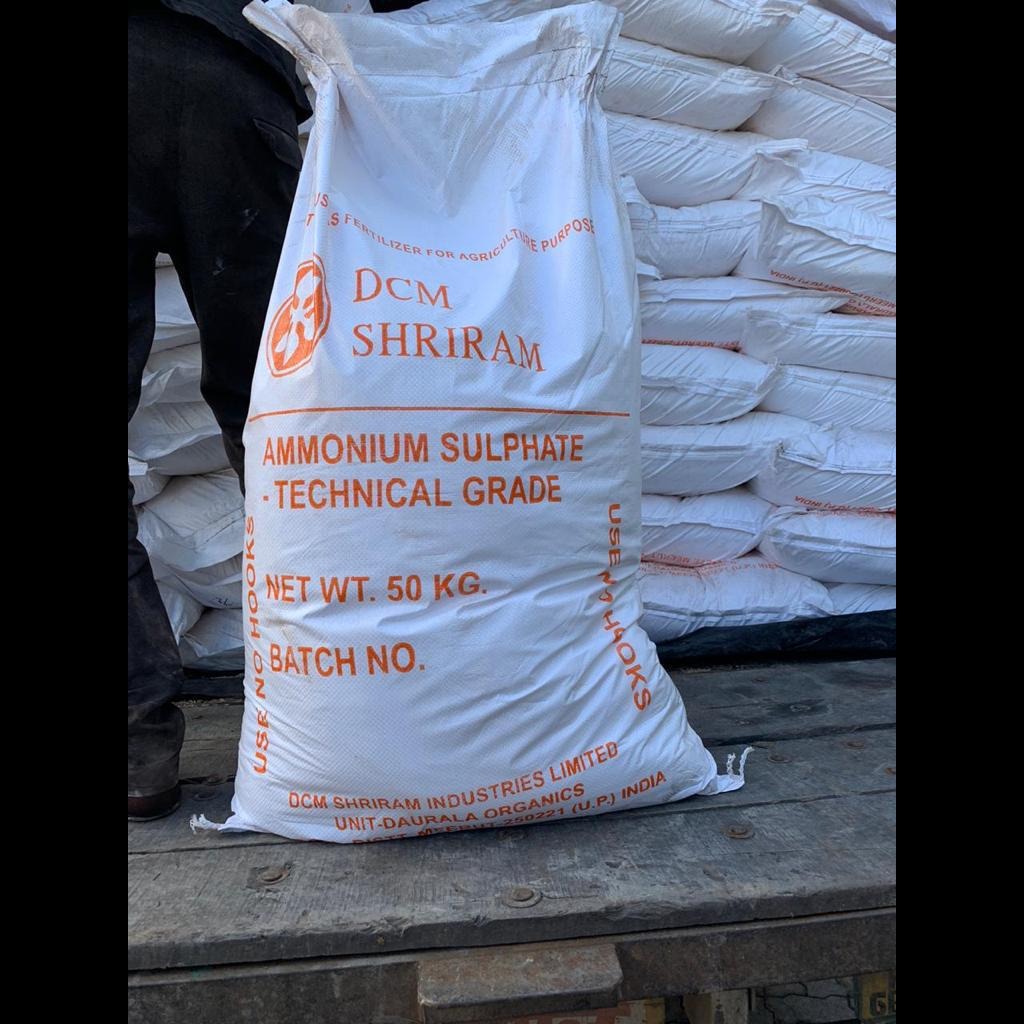
Ammonium Sulphate is supplied in several packaging options depending on end-use and logistics requirements.
Packaging Type Material Net Weight Remarks
HDPE Bags with Inner Liner Woven polypropylene (PP) bag with LDPE liner 25 kg / 50 kg Standard industrial packing; moisture-resistant
Jumbo Bags (FIBC) PP woven bag with polyethylene inner liner 500 kg / 1000 kg Suitable for bulk handling and export
Paper or Laminated Bags Multi-ply paper with PE lining 25 kg For high-purity or food-grade product
Customized Packaging As per customer requirement – Branding and labeling options available
Labeling:
Each package is clearly labeled with product name, grade, net weight, batch number, and manufacturer’s details.
2. Storage
Proper storage ensures that Ammonium Sulphate retains its chemical stability and free-flowing nature.
Parameter Storage Recommendation
Environment Store in a cool, dry, well-ventilated area
Temperature Avoid excessive heat or direct sunlight
Moisture Protection Keep containers tightly closed; protect from humidity and water contact
Stacking Do not stack more than 10 bags high to prevent caking and tearing
Compatibility Store away from alkalis, nitrates, chlorates, and oxidizing agents
Handling Avoid dropping or crushing bags to maintain product flowability
Note: Ammonium Sulphate is non-flammable and stable under normal conditions, but absorbs moisture easily, which can lead to caking during long-term storage.
3. Shelf Life
Shelf Life: Indefinite when stored under recommended conditions.
Uses of Ammonium Chloride in the Food Industry
1. Food Additive and Flavoring Agent
Function: Used as a food additive (E510), mainly as a flavor enhancer, acid regulator, and yeast nutrient.
Flavor Profile: Has a salty, slightly bitter taste that complements certain traditional food products.
Typical Dosage
In bakery products: 0.1–0.5% by weight of flour
In licorice candies: 1–8% depending on desired saltiness
As yeast nutrient: 0.05–0.3% in dough formulations
Advantages
Enhances yeast activity and fermentation rate
Improves dough handling and volume in bakery products
Provides unique salty–umami flavor profile
Acts as a mild preservative by controlling pH
Safety and Handling
Safe for consumption at approved levels
Excessive intake may cause mild gastrointestinal irritation
Store in a cool, dry place in sealed containers to prevent caking