

1. Laundry Detergents
Main Role: Filler and flow aid
Diluent/Filler: In powdered laundry detergents, sodium sulfate acts as an inert filler that helps dilute the concentration of active ingredients (such as surfactants) to make the formulation easier to handle and measure.
Flowability: It improves the free-flowing properties of the detergent powder, preventing clumping and ensuring uniform mixing.
Cost Reduction: Being inexpensive, it helps reduce the overall production cost of the detergent.
Heat Stability: It helps maintain stability during spray drying in detergent manufacturing.
2. Dishwashing Detergents (Powder Form)
Main Role: Filler and stabilizer
Provides bulk to the formulation.
Maintains granule structure and prevents caking in humid conditions.
Ensures even dispersion of active ingredients like enzymes, surfactants, and builders.
3. Soaps and Cleaning Bars
Main Role: Processing aid and texture improver
Increases hardness and strength of cleaning bars.
Enhances foaming and rinsing properties when used in small amounts.
Reduces stickiness during manufacturing, improving process efficiency.
4. Industrial and Household Cleaners
Main Role: Additive and processing agent
Used in powdered cleansers and scouring agents for better texture and ease of use.
Functions as a pH stabilizer and improves ionic strength, which can enhance the performance of surfactants.
In glass cleaners and floor cleaners, sodium sulfate helps improve the formulation’s clarity and stability.
5. Supporting Roles in Cleaning Chemistry
Carrier for active ingredients: Sodium sulfate can act as a carrier for enzymes, optical brighteners, and fragrances.
Non-reactive medium: It provides a neutral base that doesn’t interfere with the chemistry of other detergent ingredients.
Environmentally benign: It is non-toxic, non-hygroscopic, and biodegradable, making it suitable for eco-friendly cleaning formulations.
Typical Usage Levels
Application Typical Concentration (%)
Laundry detergent powders 30–50%
Dishwashing powders 20–40%
Soap bars 1–5%
Household cleaning powders 10–30%
Points to Note
Sodium sulfate is not a cleaning agent itself — it does not remove dirt or grease.
Excessive use can dilute detergent activity or affect solubility in cold water.
Preferred grades: Anhydrous sodium sulfate (for powders) and decahydrate (Glauber’s salt) for certain liquid or semi-solid formulations.
Sodium Sulfate in Bulk Detergent Manufacturing
1. Function in Detergent Formulations
Sodium sulfate is one of the primary raw materials used in bulk powdered detergent production due to its neutral chemical behavior, low cost, and excellent physical properties.
Main Functions
Filler/Diluent:
Reduces the concentration of active surfactants to the desired level and provides volume to the detergent powder.
Flow Enhancer:
Improves powder flowability, prevents clumping, and enhances packaging efficiency.
Drying Aid:
Facilitates spray-drying by absorbing moisture and helping to form uniform granules.
Thermal Stabilizer:
Enhances heat resistance of active ingredients during spray drying.
Carrier for Additives:
Serves as a carrier medium for perfumes, optical brighteners, and enzymes.
2. Advantages in Bulk Detergent Production
Economical: Reduces production cost without affecting cleaning performance.
Stable: Chemically inert, ensuring no adverse reaction with surfactants or builders.
Improves Handling: Maintains consistent particle size and reduces dust formation.
Compatible: Works well with a wide range of detergent actives (LABSA, SLES, sodium carbonate, zeolite, etc.).
Neutral pH: Maintains the stability of detergent ingredients.
3. Typical Formulation Usage
Type of Detergent Sodium Sulfate Content (%) Purpose
Low-cost detergent powders 40–50% Major filler for volume and flow
Mid-grade detergents 20–35% Balances cost and performance
Premium detergents 5–15% Minor role, mainly for flow control
Concentrated/compact detergents <10% Limited use to maintain high active matter
4. Physical & Chemical Properties
Property Specification
Chemical Formula Na₂SO₄
Molecular Weight 142.04 g/mol
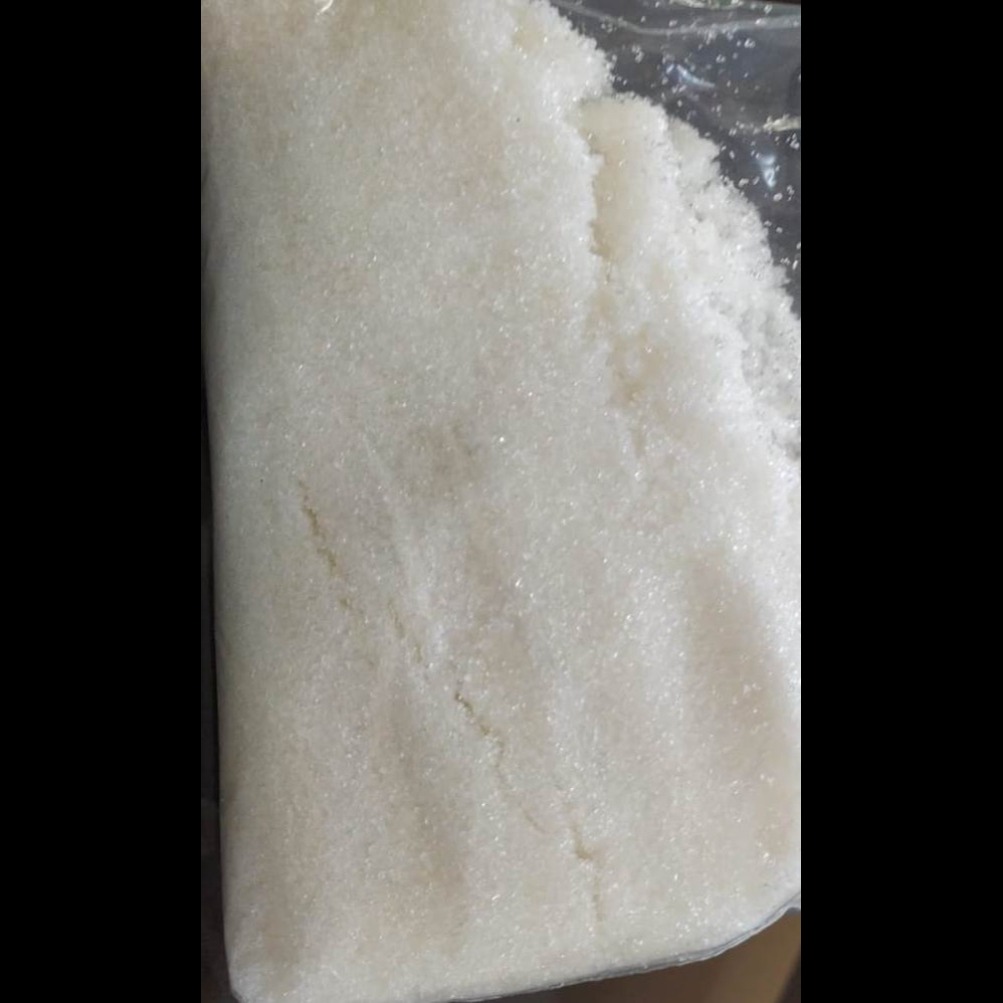
Appearance White crystalline powder or granules
Purity (Na₂SO₄) 99% min (anhydrous grade)
pH (1% solution) 6–8
Moisture Content 0.2–0.5% (anhydrous)
Bulk Density 1.45–1.55 g/cm³
Solubility in Water (20°C) 19 g/100 mL
Insoluble Matter <0.05%
Loss on Ignition <0.5%
5. Grades Used in Detergent Manufacturing
Anhydrous Sodium Sulfate:
Commonly used in powder detergents for stability and free flow.
Glauber’s Salt (Na₂SO₄·10H₂O):
Occasionally used in liquid detergent or fabric softener formulations where moisture content is beneficial.
6. Handling and Storage
Store in dry, ventilated areas to prevent caking.
Avoid contact with moisture and acidic materials.
Bulk handling: can be stored in silos or jumbo bags.
7. Industrial Packaging
25 / 50 kg HDPE bags with liner
1 MT jumbo bags (FIBC) for large-scale detergent plants
8. Compatibility
Sodium sulfate is compatible with:
Surfactants: LABSA, SLES, soap noodles, alkyl ether sulfates
Builders: Sodium carbonate, zeolite, sodium silicate
Additives: Optical brighteners, enzymes, fragrances, sodium carboxymethyl cellulose (Na-CMC)
9. Environmental and Safety Profile
Non-toxic and environmentally safe.
Not flammable or hazardous under normal handling.
Complies with REACH and RoHS environmental regulations.
Summary: Key Benefits for Detergent Manufacturers
Benefit Description
Cost optimization Lowers detergent cost per kg
Processing aid Improves flow and drying
Consistent product quality Ensures uniform particle size and bulk density
Non-reactive Compatible with all detergent actives
Environmentally safe Non-toxic and biodegradabl
Sodium Sulfate – Cost Reduction Advantages in Detergent Production
1. Acts as a Low-Cost Filler
Primary benefit: Sodium sulfate is an inexpensive inorganic salt, significantly cheaper than active surfactants or builders such as LABSA, SLES, or STPP.
When used as a filler or extender, it reduces the total raw material cost per kilogram of detergent powder.
Example: Replacing 30–40% of active ingredients with sodium sulfate can cut formulation costs by 20–35% without affecting usability.
2. Improves Manufacturing Efficiency
Enhances powder flow and consistency: Improves the flow properties of detergent blends, allowing faster filling and packaging.
Reduces processing time and energy: During spray drying, sodium sulfate helps form uniform granules and lowers drying time, saving on fuel and electricity costs.
Prevents clogging: Reduces equipment fouling, which cuts down on maintenance and downtime.
3. Enhances Product Volume and Appearance
Increases the bulk volume of detergent powder, giving it a fuller, free-flowing appearance—important for consumer perception in cost-sensitive markets.
Allows manufacturers to maintain pack size and appearance while lowering the proportion of expensive actives.
4. Maintains Performance at Lower Cost
Though sodium sulfate itself has no cleaning action, it helps distribute surfactants and builders evenly throughout the detergent.
Ensures uniform performance even in low-cost formulations by maintaining consistent granule size and stability.
Enables balanced formulation — sufficient cleaning efficiency at a reduced price point.
5. Reduces Cost of Storage and Handling
Chemically stable and non-hygroscopic, making it easy to store and transport without requiring special conditions.
Available in bulk quantities (e.g. jumbo bags, silos), which reduces packaging, warehousing, and logistics expenses.
6. Increases Production Yield
Since sodium sulfate adds mass and volume, the same batch of detergent actives can produce more finished product, improving overall yield and profit margins.
Example:
1000 kg of actives + 500 kg sodium sulfate → 1500 kg finished detergent
50% more output using the same base formulation
7. Consistent and Readily Available Supply
Industrial sodium sulfate is abundantly available and produced at large scale worldwide, ensuring stable prices and reliable supply, even when surfactant prices fluctuate.
Helps manufacturers stabilize production costs over time.
8. Environmentally and Economically Sustainable
Sodium sulfate is non-toxic, non-corrosive, and recyclable, allowing safe use without costly environmental controls.
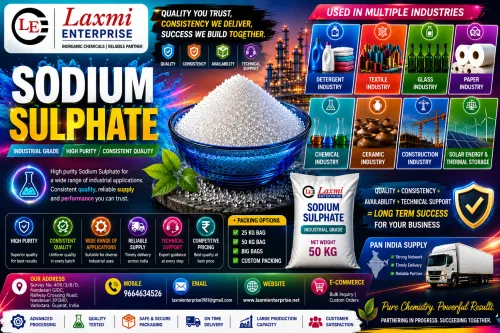
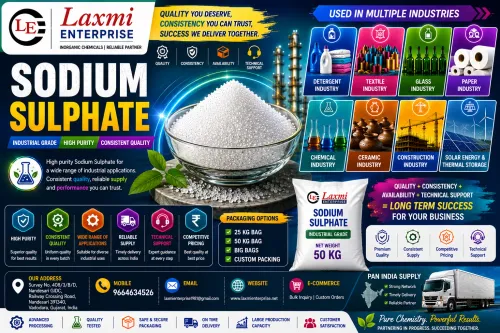
• Buy Sodium Sulphate
• Sodium Sulphate for Sale
• Sodium Sulphate Supplier
• Sodium Sulphate Manufacturers
• Sodium Sulphate Exporter
• Sodium Sulphate Powder
• Industrial Grade Sodium Sulphate
• Anhydrous Sodium Sulphate
• Sodium Sulphate Bulk Supply
• Sodium Sulfate Distributor
Low disposal and compliance costs compared to chemical additives that require special treatment.
Summary Table: Sodium Sulfate Cost Benefits