

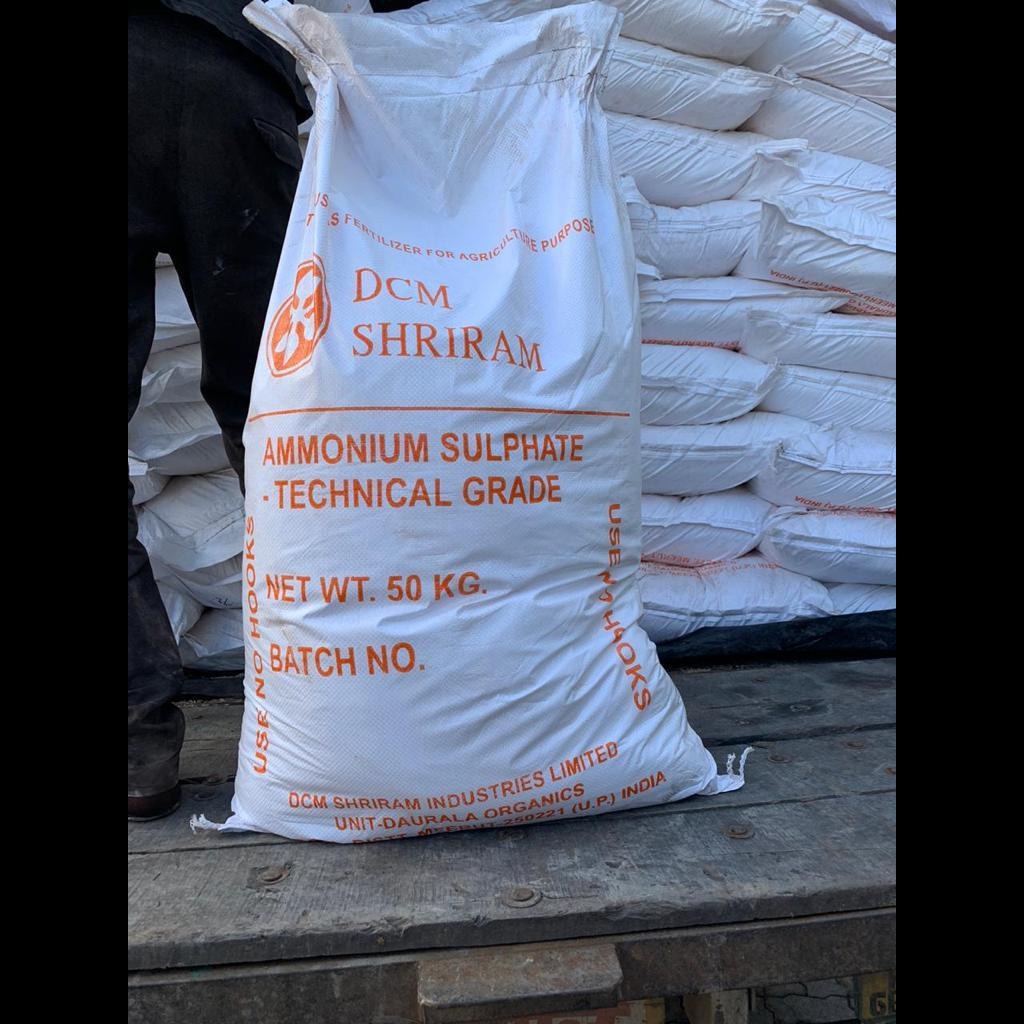
Function of Ammonium Sulfate in Powder Detergent
Function Description
Filler / Extender Used to adjust the active content of the detergent, helping control cost and bulk density. It replaces part of sodium sulfate in some formulations.
pH Buffer Maintains the detergent pH around 8–9, improving detergent stability and surfactant performance.
Anti-caking Agent Improves powder flow properties and prevents clumping during storage.
Moisture Control Reduces the hygroscopicity of other ingredients (like sodium carbonate).
Compatibility Agent Compatible with both anionic and nonionic surfactants, aiding in blending.
2. Typical Composition in a Powder Detergent
Ingredient Approximate % by weight
Linear Alkyl Benzene Sulfonate (LABSA) 10–15%
Sodium Carbonate (Soda Ash) 10–20%
Sodium Silicate 5–10%
Sodium Sulfate 20–30%
Ammonium Sulfate 5–15%
STPP / Zeolite 10–20%
Optical Brightener, Enzymes, Fragrance, Color 1–3%
Note: Ammonium sulfate can partially replace sodium sulfate (1:1 basis) in low-cost detergent formulations, especially where foam volume and mild alkalinity are desired.
3. Advantages in Detergent Formulation
Cost-effective compared to sodium sulfate.
Improves solubility of detergent powder in water.
Enhances cleaning in slightly acidic or neutral conditions (good for mild detergent types).
Non-toxic and environmentally safe compared to phosphates.
4. Limitations / Precautions
Excess (>15%) may lead to reduced detergency because it dilutes active ingredients.
Can release ammonia odor if mixed with strong alkalis or stored in humid conditions.
Not ideal for high-performance premium detergents (better for economy-grade or household use).
5. Example: Low-Cost Detergent Powder Formula (with Ammonium Sulfate)
Ingredient % by weight
LABSA (acid slurry 90%) 12%
Soda Ash (light) 10%
Sodium Silicate 6%
Ammonium Sulfate 12%
Sodium Sulfate 25%
STPP / Zeolite 20%
Optical Brightener 0.2%
Perfume, Color 0.8%
Moisture 14%
Saving: ₹1, 460 per 1000 kg batch (~4.6%)
In large-scale production, this translates to ₹46, 000 saved per 10 MT of detergent powder — a significant margin boost.
3. Recommended Inclusion Rate for Cost Efficiency
5–15% of total detergent powder weight.
Replace 20–50% of sodium sulfate with ammonium sulfate for best results.
For economy detergents, even up to 20% inclusion is acceptable if foam and fragrance are optimized.
4. Performance Tips
Goal Recommendation
Maintain good cleaning Keep active surfactant (LABSA or SLES) ≥10%.
Good foaming Add 1–2% sodium lauryl sulfate (SLS) or foam booster.
Powder flow Mix ammonium sulfate after neutralization (not with LABSA directly).
Market positioning Use this formulation for low-cost / rural markets where price competitiveness is key.
5. Precautions
Avoid mixing ammonium sulfate with strong alkalis at high temperature → can release ammonia gas.
Check moisture content (<1%) to prevent lumping.
Not ideal for premium detergents that require high whiteness, perfume retention, or enzyme stability.
Would you like me to create a cost-optimized detergent formulation sheet (with full composition, ingredient prices, and cost/kg of final product)?
It can help you estimate production cost and selling price for your market (e.g., Vadodara or Gujarat region).