SODIUM SULPHATE IN DETERGENT PRODUCTION
1. Role of Sodium Sulphate in Detergents
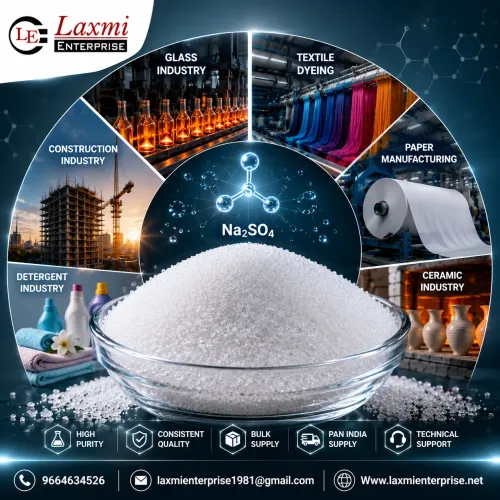
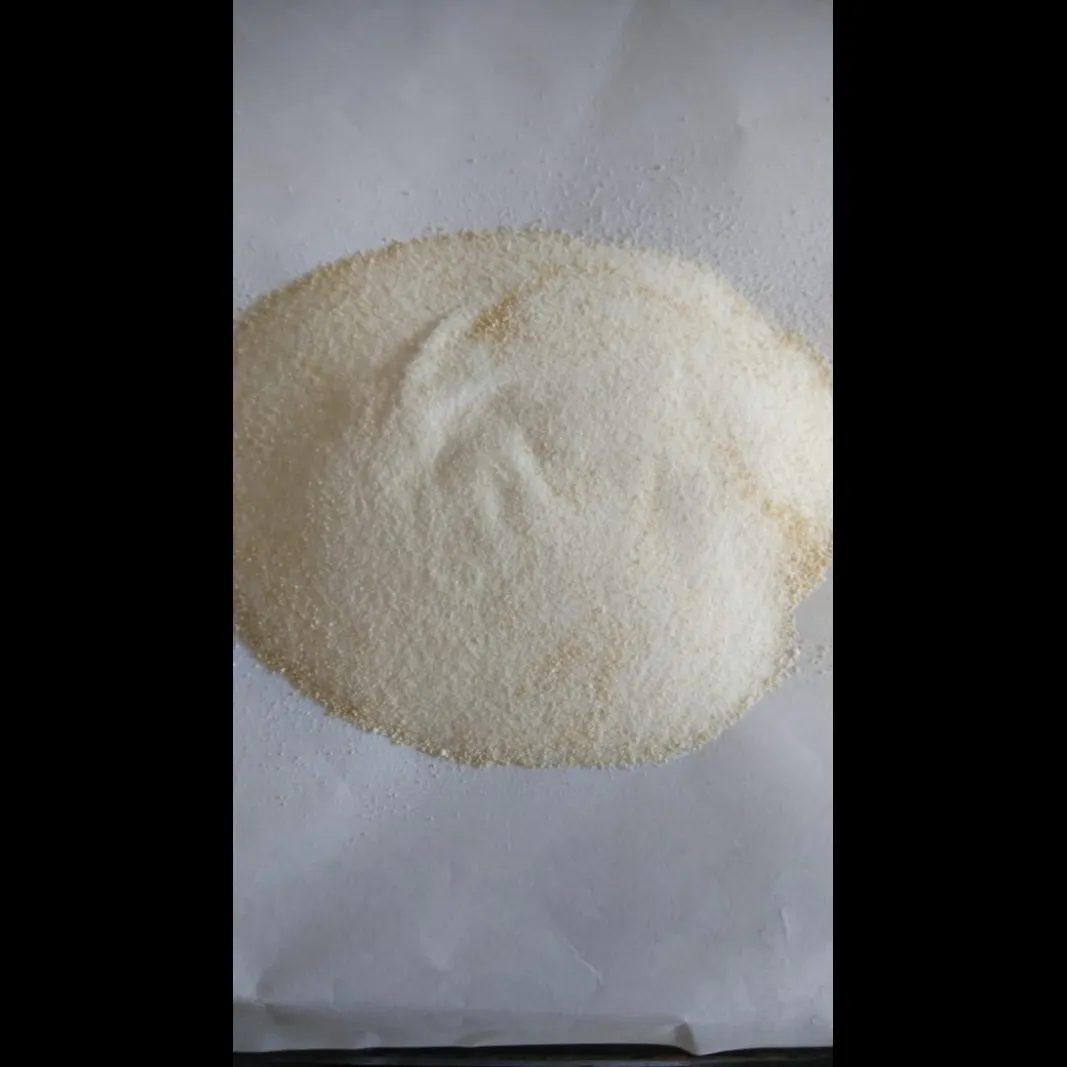
Sodium sulphate (Na₂SO₄) is one of the most widely used filler and processing aid ingredients in detergent powder manufacturing.
Key Functions
A. Filler / Diluent
Adjusts the bulk density of detergent powder.
Ensures uniform distribution of active ingredients like LABSA, STPP, enzymes, and surfactants.
Provides volume, improving packaging and handling characteristics.
B. Flowability Enhancer
Prevents detergent powder from caking.
Improves free-flowing nature of the final product.
Helps maintain consistency during automatic dosing in washing machines.
C. Carrier for Surfactants
Helps absorb and carry liquid surfactants added during mixing.
Ensures detergent blends remain dry and stable.
D. Cost Optimization
Reduces formulation cost without reducing performance when used properly.
Enables manufacturers to create different grade options (premium, popular,
Industrial Applications in Detergents
A. Spray-Dried Detergent Powders
Sodium sulphate is added before spray drying to adjust slurry characteristics.
B. Post-Mix Detergents
Used to dilute concentrated active blends.
Improves texture and prevents clumping.
C. Detergent Cakes & Bars
Controls hardness and structure.
Acts as a processing aid during kneading or extrusion
Why Manufacturers Prefer Sodium Sulphate
Abundant and economical
Chemically inert
Safe for washing machines and fabrics
No environmental toxicity when used normally
Widely available from Glauber salt and by-product processes
Industrial Applications in Detergents
A. Spray-Dried Detergent Powders
Sodium sulphate is added before spray drying to adjust slurry characteristics.
B. Post-Mix Detergents
Used to dilute concentrated active blends.
Improves texture and prevents clumping.
C. Detergent Cakes & Bars
Controls hardness and structure.
Acts as a processing aid during kneading or extrusion.
. Compatibility
Works with:
LABSA (Linear Alkyl Benzene Sulphonic Acid)
SLS/SLES
Zeolites
Sodium carbonate
Optical brighteners
Polycarboxylates
D. Improves Powder Properties
Controls moisture content
Enhances solubility in wash water
Ensures homogeneous granule formation
Typical Usage Levels in Detergents
10–60% depending on product type and price segment:
Premium powders: 10–25%
US EPA & TSCA (Toxic Substances Control Act)
Listed on the TSCA Inventory.
No special reporting, restriction, or prohibition for use as a processing aid.
Safe for use in industrial detergent, textile,
and paper processes.
Regular household powders: 25–45%
Economy-grade powders: 40–60%
Key Regulatory Frameworks
A. REACH (EU Regulation)
Sodium sulphate is registered under REACH and classified as a non-hazardous substance.
No special restrictions for industrial use as a processing aid.
Not listed as a SVHC (Substance of Very High Concern).
Manufacturers/importers above 1 tonne/year must maintain REACH registration and SDS compliance.
FOOD-GRADE SODIUM SULPHATE — SAFETY SUMMARY
1) What it is & common food uses
Food-grade sodium sulphate (Na₂SO₄) is the anhydrous inorganic salt produced to high purity and used only as a processing aid or ancillary additive in food processing.
diluent, or in some processing equipment applications).
Emergency & first aid
Eye contact: flush with water for 15 minutes; seek medical attention if irritation persists.
Skin contact: wash with soap & water.
Inhalation: move to fresh air; if symptoms persist seek medical attention.
Ingestion:
if small accidental ingestion — likely mild transient effects;
for large ingestions, do not induce vomiting and seek medical attention.
Emergency & first aid
Eye contact: flush with water for 15 minutes; seek medical attention if irritation persists.
Skin contact: wash with soap & water.
Inhalation: move to fresh air; if symptoms persist seek medical attention.
Ingestion: if small accidental ingestion — likely mild transient effects; for large ingestions, do not induce vomiting and seek medical attention.
Regulatory labels:
typically referenced in food rules as E514 or listed in the Food Chemicals Codex when intended for food use.
Toxicology & health considerations
Low acute toxicity at normal use/presence levels.
Oral ingestion in large amounts can produce osmotic diarrhea / laxative effects because salts alter gut water balance.
If accidental large ingestion occurs, seek medical advice.
Not a known allergen and shows no bioaccumulation risk.
Not classified as carcinogenic,
mutagenic or reproductive toxicant under usual regulatory listings
Occupational exposure & PPE
Main workplace hazard: inhalable dust (nuisance dust).
Recommended PPE when handling powder:
Dust mask / respirator if dust-generating
Safety goggles
Gloves (nitrile or rubber) if handling concentrated powder
(use food-grade certificates to support claims).
Food safety & GMP
Use only food-grade material in any application with potential food contact or food chain exposure.
Maintain GMP segregation between food-grade and industrial grades (separate storage, labeling, and handling lines).
Provide CoA, traceability,
and manufacturer/supplier declarations documenting food-grade status and compliance with local regulations (FCC, EU, Codex, or national food law).
Documentation customers typically require
Certificate of Analysis (CoA) per batch
Declaration of Food-Grade Status / Compliance statement (FCC / EU / national laws)
SDS (with a note: SDS for food-grade material still provided even if not hazardous)
Heavy metals & microbiology test reports
Traceability & lot ID
Avoid cross-contamination with disinfectants, oils, or other non-food chemicals.
Environmental & disposal notes
Food-grade sodium sulphate is non-hazardous for disposal; follow local solid waste rules.
Avoid large uncontrolled releases to surface water (may increase local salinity/BOD effects depending on concentration).
Practical recommendations for suppliers (Laxmi Enterprise style)
Keep separate SKUs for food-grade and industrial grades.
Provide CoA, GMP declaration, and heavy metal reports with each food-grade shipment.
Use clear labeling and train warehouse staff on segregation to prevent cross-contamination.
Include a short food-safety data card for food customers summarizing specs, storage, and CoA access.
1. Role of Sodium Sulphate in Detergents
Sodium sulphate (Na₂SO₄) is one of the most widely used filler and processing aid ingredients in detergent powder manufacturing.
Key Functions
A. Filler / Diluent
Adjusts the bulk density of detergent powder.
Ensures uniform distribution of active ingredients like LABSA, STPP, enzymes, and surfactants.
Provides volume, improving packaging and handling characteristics.
B. Flowability Enhancer
Prevents detergent powder from caking.
Improves free-flowing nature of the final product.
Helps maintain consistency during automatic dosing in washing machines.
C. Carrier for Surfactants
Helps absorb and carry liquid surfactants added during mixing.
Ensures detergent blends remain dry and stable.
D. Cost Optimization
Reduces formulation cost without reducing performance when used properly.
Enables manufacturers to create different grade options (premium, popular,
Industrial Applications in Detergents
A. Spray-Dried Detergent Powders
Sodium sulphate is added before spray drying to adjust slurry characteristics.
B. Post-Mix Detergents
Used to dilute concentrated active blends.
Improves texture and prevents clumping.
C. Detergent Cakes & Bars
Controls hardness and structure.
Acts as a processing aid during kneading or extrusion
Why Manufacturers Prefer Sodium Sulphate
Abundant and economical
Chemically inert
Safe for washing machines and fabrics
No environmental toxicity when used normally
Widely available from Glauber salt and by-product processes
Industrial Applications in Detergents
A. Spray-Dried Detergent Powders
Sodium sulphate is added before spray drying to adjust slurry characteristics.
B. Post-Mix Detergents
Used to dilute concentrated active blends.
Improves texture and prevents clumping.
C. Detergent Cakes & Bars
Controls hardness and structure.
Acts as a processing aid during kneading or extrusion.
. Compatibility
Works with:
LABSA (Linear Alkyl Benzene Sulphonic Acid)
SLS/SLES
Zeolites
Sodium carbonate
Optical brighteners
Polycarboxylates
D. Improves Powder Properties
Controls moisture content
Enhances solubility in wash water
Ensures homogeneous granule formation
Typical Usage Levels in Detergents
10–60% depending on product type and price segment:
Premium powders: 10–25%
US EPA & TSCA (Toxic Substances Control Act)
Listed on the TSCA Inventory.
No special reporting, restriction, or prohibition for use as a processing aid.
Safe for use in industrial detergent, textile,
and paper processes.
Regular household powders: 25–45%
Economy-grade powders: 40–60%
Key Regulatory Frameworks
A. REACH (EU Regulation)
Sodium sulphate is registered under REACH and classified as a non-hazardous substance.
No special restrictions for industrial use as a processing aid.
Not listed as a SVHC (Substance of Very High Concern).
Manufacturers/importers above 1 tonne/year must maintain REACH registration and SDS compliance.
FOOD-GRADE SODIUM SULPHATE — SAFETY SUMMARY
1) What it is & common food uses
Food-grade sodium sulphate (Na₂SO₄) is the anhydrous inorganic salt produced to high purity and used only as a processing aid or ancillary additive in food processing.
diluent, or in some processing equipment applications).
Emergency & first aid
Eye contact: flush with water for 15 minutes; seek medical attention if irritation persists.
Skin contact: wash with soap & water.
Inhalation: move to fresh air; if symptoms persist seek medical attention.
Ingestion:
if small accidental ingestion — likely mild transient effects;
for large ingestions, do not induce vomiting and seek medical attention.
Emergency & first aid
Eye contact: flush with water for 15 minutes; seek medical attention if irritation persists.
Skin contact: wash with soap & water.
Inhalation: move to fresh air; if symptoms persist seek medical attention.
Ingestion: if small accidental ingestion — likely mild transient effects; for large ingestions, do not induce vomiting and seek medical attention.
Regulatory labels:
typically referenced in food rules as E514 or listed in the Food Chemicals Codex when intended for food use.
Toxicology & health considerations
Low acute toxicity at normal use/presence levels.
Oral ingestion in large amounts can produce osmotic diarrhea / laxative effects because salts alter gut water balance.
If accidental large ingestion occurs, seek medical advice.
Not a known allergen and shows no bioaccumulation risk.
Not classified as carcinogenic,
mutagenic or reproductive toxicant under usual regulatory listings
Occupational exposure & PPE
Main workplace hazard: inhalable dust (nuisance dust).
Recommended PPE when handling powder:
Dust mask / respirator if dust-generating
Safety goggles
Gloves (nitrile or rubber) if handling concentrated powder
(use food-grade certificates to support claims).
Food safety & GMP
Use only food-grade material in any application with potential food contact or food chain exposure.
Maintain GMP segregation between food-grade and industrial grades (separate storage, labeling, and handling lines).
Provide CoA, traceability,
and manufacturer/supplier declarations documenting food-grade status and compliance with local regulations (FCC, EU, Codex, or national food law).
Documentation customers typically require
Certificate of Analysis (CoA) per batch
Declaration of Food-Grade Status / Compliance statement (FCC / EU / national laws)
SDS (with a note: SDS for food-grade material still provided even if not hazardous)
Heavy metals & microbiology test reports
Traceability & lot ID
Avoid cross-contamination with disinfectants, oils, or other non-food chemicals.
Environmental & disposal notes
Food-grade sodium sulphate is non-hazardous for disposal; follow local solid waste rules.
Avoid large uncontrolled releases to surface water (may increase local salinity/BOD effects depending on concentration).
Practical recommendations for suppliers (Laxmi Enterprise style)
Keep separate SKUs for food-grade and industrial grades.
Provide CoA, GMP declaration, and heavy metal reports with each food-grade shipment.
Use clear labeling and train warehouse staff on segregation to prevent cross-contamination.
Include a short food-safety data card for food customers summarizing specs, storage, and CoA access.
Keywords