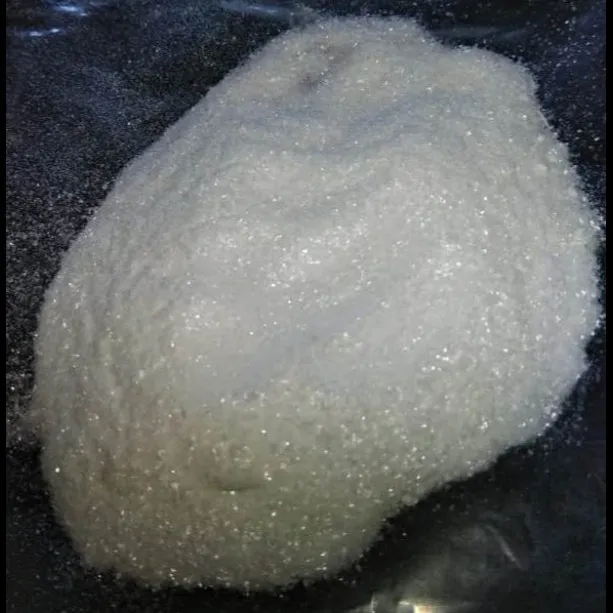
Exactly — Industrial Grade Sodium Acetate (CH₃COONa) has several important benefits and applications in textiles and detergent manufacturing, especially for neutralizing residual alkali and pH buffering.
Here’s a clear and professional summary you can use for product catalogs, marketing materials, or SEO content:
Industrial Grade Sodium Acetate – Key Benefits & Applications
Chemical Formula:
NaC₂H₃O₂ (CH₃COONa)
Appearance:
White crystalline powder or granular solid
Soluble in water and alcohol
Key Benefits
Neutralizing Residual Alkali in Textiles
Used after scouring, bleaching, and dyeing processes to neutralize excess alkali (e.g., caustic soda or soda ash) present in fabric.
Prevents fiber damage and improves dye uptake.
Maintains fabric softness and ensures uniform coloration.
pH Buffer in Detergent Manufacturing
Acts as an effective buffering agent to maintain the required pH stability during detergent formulation.
Enhances cleaning efficiency and protects surfactants from alkaline degradation.
Improves product shelf life and performance consistency.
Environmentally Friendly Neutralizer
Biodegradable and non-toxic; safer alternative to mineral acids for neutralization.
Reduces effluent load in wastewater treatment.
Additional Industrial Benefits
Used in electroplating baths for maintaining conductivity.
Employed in leather tanning and photography as a buffering and stabilizing agent.
Typical Specifications
Parameter Specification
Purity (NaC₂H₃O₂) 98% – 99% Min
pH (5% soln) 6.5 – 8.5
Moisture ≤ 2%
Form Crystalline / Powder
Grade Industrial
Packaging
25 / 50 kg HDPE bags with inner liner
Custom packaging available on request
Applications
Textile processing (alkali neutralization)
Detergent manufacturing (pH control)
Leather tanning
Electroplating
Buffering in various chemical formulations
Would you like me to make a ready-to-use product sheet or brochure (PDF or Word) for Industrial Grade Sodium Acetate with this content
Sodium Acetate for Leather Tanning Processes
Chemical Formula:
CH₃COONa
Molecular Weight:
82.03 g/mol
Appearance:
White crystalline powder or granules
Grade:
Industrial / Technical / Leather Grade
Role in Leather Tanning
Sodium Acetate plays a vital role in the chrome tanning and retanning stages of leather processing. It acts as a pH buffer and neutralizing agent, ensuring controlled acidity levels for high-quality, soft, and durable leather.
Key Functions & Benefits
pH Control During Chrome Tanning
Helps regulate the pH of the tanning bath, preventing excessive acidity or alkalinity.
Ensures even chromium fixation on collagen fibers, resulting in uniform tanning.
Neutralization After Pickling
Used after the pickling process to neutralize residual acids before chrome tanning.
Prepares hides for even chrome penetration and minimizes leather brittleness.
Buffering Action
Maintains a stable pH (4.0–5.0) range in the tanning liquor.
Improves chrome uptake efficiency and reduces chrome wastage in effluents.
Improves Leather Quality
Enhances softness, fullness, and grain tightness of the finished leather.
Prevents acid hardening and promotes smooth, uniform dyeing.
Eco-friendly Additive
Biodegradable and non-toxic.
Reduces effluent treatment load compared to inorganic neutralizing agents.
Typical Specifications
Parameter Specification
Purity (as CH₃COONa) 98–99% Min
pH (5% solution) 7.0 ± 0.5
Moisture ≤ 2%
Solubility Completely soluble in water
Appearance White crystalline solid
Packaging & Supply
Packaging: 25 / 50 kg HDPE bags with inner liner
Supply: Available in bulk and small lots
Storage: Keep in a cool, dry place away from moisture
Applications
Chrome tanning & retanning
Neutralization of pickled hides
Leather dyeing and finishing
pH buffer in tanning baths
Sodium Acetate in Fabric Finishing
Chemical Formula:
CH₃COONa
Molecular Weight:
82.03 g/mol
Appearance:
White crystalline powder / granules
Grade:
Industrial / Textile Grade
Role in Textile Processing & Fabric Finishing
Sodium Acetate is widely used in the fabric finishing and dyeing stages of textile manufacturing.
It acts primarily as a pH buffer and neutralizing agent to control acidity and alkalinity, ensuring a smooth, soft, and high-quality fabric finish.
Key Functions & Benefits
Neutralization of Residual Alkali
After scouring, bleaching, or mercerizing, fabrics often retain alkaline residues (from caustic soda or soda ash).
Sodium Acetate neutralizes this residual alkali gently and effectively, preventing fiber damage and yellowing.
pH Buffer in Dyeing & Finishing
Maintains a consistent pH range (6.0–7.0) during dyeing and finishing baths.
Promotes even dye uptake and enhances color brightness and fastness.
Improves Fabric Softness & Handle
By stabilizing the finishing bath pH, Sodium Acetate helps achieve smooth, soft, and lustrous fabric finishes.
Protects Fibers from Harsh Acids
Unlike strong mineral acids, Sodium Acetate offers mild neutralization, avoiding fiber degradation or loss of tensile strength.
Eco-friendly & Safe
Non-corrosive, biodegradable, and free from harmful residues — ideal for sustainable textile processing.
Typical Specifications
Parameter Specification
Purity (as CH₃COONa) 98–99% Min
pH (5% soln) 6.5 – 8.0
Moisture ≤ 2%
Solubility Completely soluble in water
Form Crystalline / Powder
Applications in Textile Industry
Neutralization after bleaching and scouring
Buffering in dyeing and finishing baths
pH control in detergent formulations
Softening and anti-yellowing agent in final finishing
Packaging & Supply
25 / 50 kg HDPE bags with inner liner
Bulk and customized packing available
Store in a cool, dry place, away from moisture
Here’s a clear and professional summary you can use for product catalogs, marketing materials, or SEO content:
Industrial Grade Sodium Acetate – Key Benefits & Applications
Chemical Formula:
NaC₂H₃O₂ (CH₃COONa)
Appearance:
White crystalline powder or granular solid
Soluble in water and alcohol
Key Benefits
Neutralizing Residual Alkali in Textiles
Used after scouring, bleaching, and dyeing processes to neutralize excess alkali (e.g., caustic soda or soda ash) present in fabric.
Prevents fiber damage and improves dye uptake.
Maintains fabric softness and ensures uniform coloration.
pH Buffer in Detergent Manufacturing
Acts as an effective buffering agent to maintain the required pH stability during detergent formulation.
Enhances cleaning efficiency and protects surfactants from alkaline degradation.
Improves product shelf life and performance consistency.
Environmentally Friendly Neutralizer
Biodegradable and non-toxic; safer alternative to mineral acids for neutralization.
Reduces effluent load in wastewater treatment.
Additional Industrial Benefits
Used in electroplating baths for maintaining conductivity.
Employed in leather tanning and photography as a buffering and stabilizing agent.
Typical Specifications
Parameter Specification
Purity (NaC₂H₃O₂) 98% – 99% Min
pH (5% soln) 6.5 – 8.5
Moisture ≤ 2%
Form Crystalline / Powder
Grade Industrial
Packaging
25 / 50 kg HDPE bags with inner liner
Custom packaging available on request
Applications
Textile processing (alkali neutralization)
Detergent manufacturing (pH control)
Leather tanning
Electroplating
Buffering in various chemical formulations
Would you like me to make a ready-to-use product sheet or brochure (PDF or Word) for Industrial Grade Sodium Acetate with this content
Sodium Acetate for Leather Tanning Processes
Chemical Formula:
CH₃COONa
Molecular Weight:
82.03 g/mol
Appearance:
White crystalline powder or granules
Grade:
Industrial / Technical / Leather Grade
Role in Leather Tanning
Sodium Acetate plays a vital role in the chrome tanning and retanning stages of leather processing. It acts as a pH buffer and neutralizing agent, ensuring controlled acidity levels for high-quality, soft, and durable leather.
Key Functions & Benefits
pH Control During Chrome Tanning
Helps regulate the pH of the tanning bath, preventing excessive acidity or alkalinity.
Ensures even chromium fixation on collagen fibers, resulting in uniform tanning.
Neutralization After Pickling
Used after the pickling process to neutralize residual acids before chrome tanning.
Prepares hides for even chrome penetration and minimizes leather brittleness.
Buffering Action
Maintains a stable pH (4.0–5.0) range in the tanning liquor.
Improves chrome uptake efficiency and reduces chrome wastage in effluents.
Improves Leather Quality
Enhances softness, fullness, and grain tightness of the finished leather.
Prevents acid hardening and promotes smooth, uniform dyeing.
Eco-friendly Additive
Biodegradable and non-toxic.
Reduces effluent treatment load compared to inorganic neutralizing agents.
Typical Specifications
Parameter Specification
Purity (as CH₃COONa) 98–99% Min
pH (5% solution) 7.0 ± 0.5
Moisture ≤ 2%
Solubility Completely soluble in water
Appearance White crystalline solid
Packaging & Supply
Packaging: 25 / 50 kg HDPE bags with inner liner
Supply: Available in bulk and small lots
Storage: Keep in a cool, dry place away from moisture
Applications
Chrome tanning & retanning
Neutralization of pickled hides
Leather dyeing and finishing
pH buffer in tanning baths
Sodium Acetate in Fabric Finishing
Chemical Formula:
CH₃COONa
Molecular Weight:
82.03 g/mol
Appearance:
White crystalline powder / granules
Grade:
Industrial / Textile Grade
Role in Textile Processing & Fabric Finishing
Sodium Acetate is widely used in the fabric finishing and dyeing stages of textile manufacturing.
It acts primarily as a pH buffer and neutralizing agent to control acidity and alkalinity, ensuring a smooth, soft, and high-quality fabric finish.
Key Functions & Benefits
Neutralization of Residual Alkali
After scouring, bleaching, or mercerizing, fabrics often retain alkaline residues (from caustic soda or soda ash).
Sodium Acetate neutralizes this residual alkali gently and effectively, preventing fiber damage and yellowing.
pH Buffer in Dyeing & Finishing
Maintains a consistent pH range (6.0–7.0) during dyeing and finishing baths.
Promotes even dye uptake and enhances color brightness and fastness.
Improves Fabric Softness & Handle
By stabilizing the finishing bath pH, Sodium Acetate helps achieve smooth, soft, and lustrous fabric finishes.
Protects Fibers from Harsh Acids
Unlike strong mineral acids, Sodium Acetate offers mild neutralization, avoiding fiber degradation or loss of tensile strength.
Eco-friendly & Safe
Non-corrosive, biodegradable, and free from harmful residues — ideal for sustainable textile processing.
Typical Specifications
Parameter Specification
Purity (as CH₃COONa) 98–99% Min
pH (5% soln) 6.5 – 8.0
Moisture ≤ 2%
Solubility Completely soluble in water
Form Crystalline / Powder
Applications in Textile Industry
Neutralization after bleaching and scouring
Buffering in dyeing and finishing baths
pH control in detergent formulations
Softening and anti-yellowing agent in final finishing
Packaging & Supply
25 / 50 kg HDPE bags with inner liner
Bulk and customized packing available
Store in a cool, dry place, away from moisture
Keywords