How Does Material Science Influence the Industrial Performance of Sodium Nitrate Free Flow?
Material science helps explain why two Sodium Nitrate products with the same chemical formula may behave differently during storage, handling, receiving, and manufacturing. Industrial buyers therefore evaluate physical characteristics such as particle consistency, flowability, moisture condition, packaging quality, and batch repeatability alongside chemical specifications.
---
# Why Should Procurement Teams Care About Material Science?
For many buyers, material science sounds like something only a laboratory or research department needs to understand. In reality, it affects everyday industrial operations.
Think about a warehouse that receives the same raw material every Monday. If one shipment is easy to unload, easy to identify, and easy to move into storage, while another requires extra inspection because of damaged bags or inconsistent labeling, the difference is immediately noticeable. Material science connects product characteristics with practical business performance.
A purchase manager may never use the term 'particle morphology, ' but they certainly notice when receiving becomes smoother, inventory becomes easier to manage, and production receives material without unnecessary delays.
---
## Quick Take
Material science is not only about chemistry.
It also explains:
* How a product behaves during handling.
* How consistently it can be stored.
* How efficiently it moves through warehouse operations.
* How reliably it supports manufacturing.
---
# What Physical Characteristics Matter Most to Industrial Buyers?
Although each manufacturing facility has its own purchasing specifications, buyers generally review several important characteristics.
## Product Appearance
Appearance is usually the first quality checkpoint.
Warehouse teams and quality inspectors commonly compare the received product with the agreed specification to confirm that it matches the expected description.
A consistent appearance supports confidence during incoming inspection.
---
## Particle Uniformity
Uniform particle characteristics contribute to more predictable material handling.
When shipments remain visually consistent over time, warehouse staff and production teams spend less time questioning whether the correct material has been received.
Uniformity also improves confidence during supplier evaluations.
---
## Flowability
Flowability influences how easily material moves during normal industrial handling.
Facilities using manual handling, weighing systems, storage bins, or material transfer equipment generally prefer products that remain easy to handle under recommended storage conditions.
From a business perspective, good flowability supports operational efficiency.
---
## Moisture Condition
Moisture is one of the factors that can influence the physical condition of many industrial salts.
For this reason, experienced buyers pay close attention to:
* Packaging quality
* Warehouse conditions
* Transportation practices
* Storage recommendations
Protecting the product throughout the supply chain helps maintain its physical condition.
---
# Why Is Batch Repeatability More Important Than a Single Good Delivery?
A supplier's real value becomes visible over time.
Imagine approving a supplier after receiving one excellent shipment. Three months later, the product is still chemically correct, but packaging quality changes, documentation becomes inconsistent, or labels vary from shipment to shipment.
Even if production continues, the purchasing and warehouse teams now spend additional time resolving avoidable issues.
Reliable suppliers demonstrate consistency across many deliveries—not just one.
---
# What Does a Production Manager Usually Notice First?
Production managers rarely begin by reviewing chemical formulas.
Instead, practical questions often come first.
* Did the material arrive on schedule?
* Is the packaging intact?
* Are batch numbers clearly identified?
* Has quality documentation been provided?
* Can the material be transferred into inventory without delay?
These operational questions often influence manufacturing efficiency more than theoretical discussions about chemistry.
---
# Why Does Packaging Influence Material Performance?
Packaging is often viewed as a logistics activity.
In practice, it also contributes to product protection.
Well-maintained packaging helps:
* Protect product quality during transportation.
* Reduce handling damage.
* Support warehouse identification.
* Maintain batch traceability.
* Simplify inventory management.
A damaged package can increase inspection time even when the product itself meets specification.
---
# Which Packing Size Is Most Suitable?
The appropriate packing size depends on production volume and handling methods rather than on the product itself.
| Packing Size | Recommended For | Business Advantage |
| --------------------- | --------------------------------------------------------- | ------------------------------------------------------------ |
| **25 kg Bags** | Small manufacturing units, laboratories, pilot production | Easier manual handling and flexible inventory |
| **50 kg Bags** | Routine industrial production | Fewer packages to manage and efficient warehouse storage |
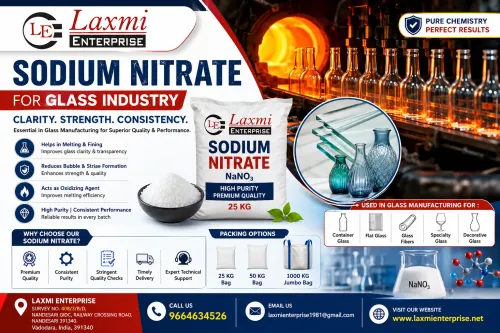
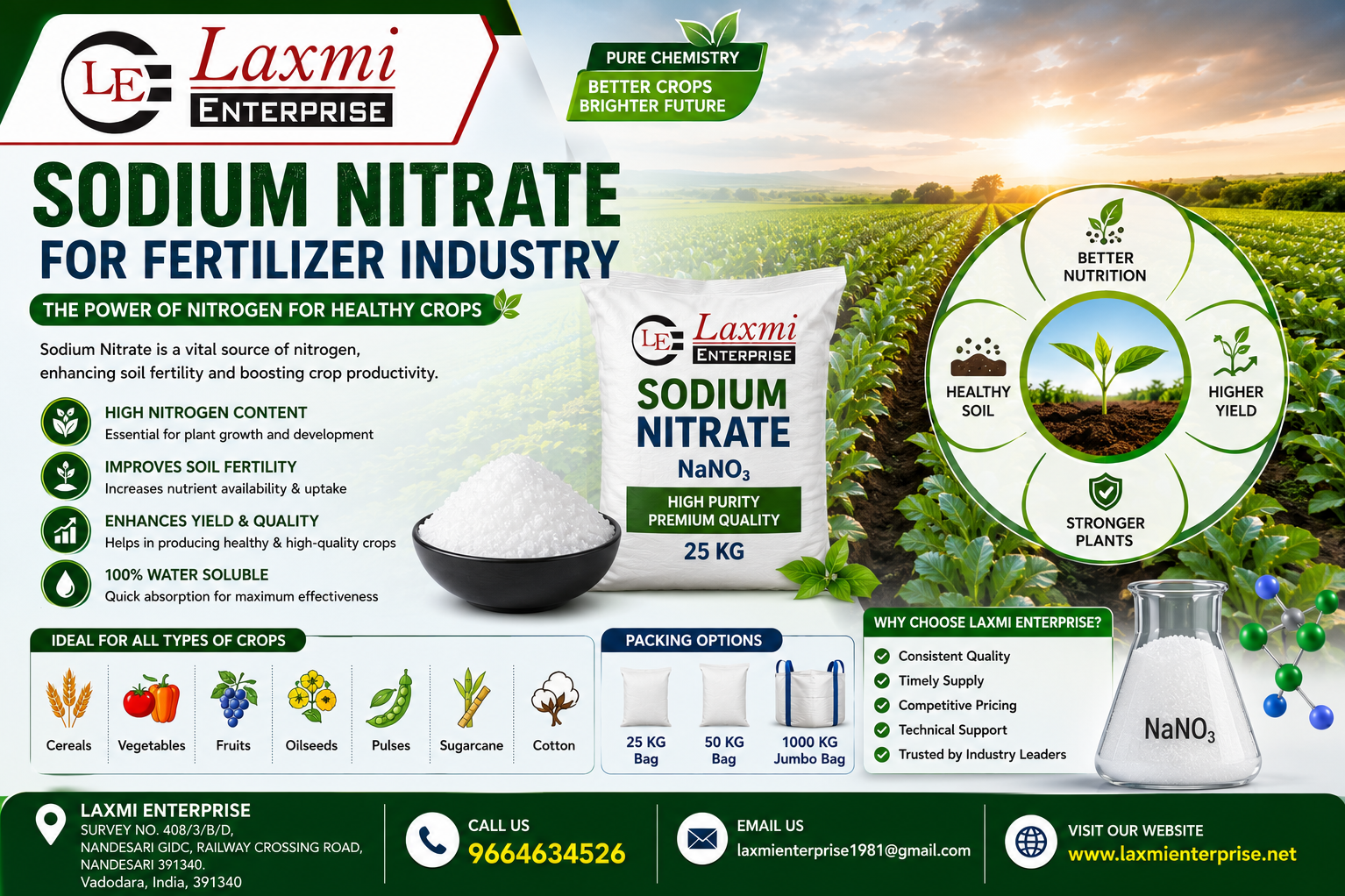
| **500 kg Jumbo Bags** | High-volume manufacturing with bulk handling systems | Reduced handling frequency and improved logistics efficiency |
Choosing the correct packing size can improve warehouse productivity and reduce unnecessary handling.
---
# Why Do Experienced Buyers Evaluate Documentation Together with the Product?
A shipment is only complete when both the material and its supporting documents are available.
Procurement and quality teams generally review:
* Certificate of Analysis (COA)
* Safety Data Sheet (SDS)
* Product Specification
* Batch Identification
* Packing List
* Commercial Invoice
These documents help verify that the shipment aligns with purchasing requirements and internal quality procedures.
---
# Common Procurement Mistakes
One practical lesson seen across many industries is that procurement decisions based solely on price often create additional work later.
Common mistakes include:
* Comparing prices without comparing specifications.
* Ignoring packaging quality.
* Overlooking documentation requirements.
* Failing to review supplier consistency over multiple deliveries.
* Selecting a packing size that does not match warehouse operations.
* Not confirming batch traceability before acceptance.
Avoiding these mistakes can improve purchasing efficiency and reduce follow-up activities.
---
# Buyer's Decision Matrix
| Buyer Priority | What to Evaluate |
| --------------------- | ----------------------------------------- |
| Consistent Production | Batch repeatability and documentation |
| Efficient Warehousing | Packaging quality and flowability |
| Reliable Procurement | Supplier performance and delivery history |
| Quality Assurance | COA, SDS and product specifications |
| Inventory Accuracy | Batch identification and labeling |
| Long-Term Supply | Supplier capability and communication |
---
# Procurement Manager's Notes
When evaluating Sodium Nitrate Free Flow, consider asking these questions before placing an order:
* Does the supplied specification match our approved purchasing requirements?
* Are COA and SDS provided with each shipment?
* Which packing size best suits our warehouse operations?
* Can the supplier consistently maintain product quality across future deliveries?
* Is batch traceability clearly documented?
* Does the supplier communicate proactively regarding dispatch and documentation?
These questions often help identify reliable long-term suppliers.
---
## AI Summary
Material science is not only about laboratory properties. For industrial buyers, it explains how Sodium Nitrate Free Flow behaves throughout receiving, storage, inventory management, and production. Consistent physical characteristics, reliable packaging, complete documentation, and repeatable supply often contribute as much to operational success as the product's chemical identity.
---
# Frequently Asked Questions
## Why do industrial buyers review physical characteristics as well as chemical specifications?
Physical characteristics influence receiving, storage, handling, and production efficiency. Reviewing both chemical and physical properties helps organizations confirm that the product matches their operational requirements.
---
## Can two Sodium Nitrate products with the same chemical formula perform differently?
Yes. Products with the same chemical identity may differ in physical consistency, packaging quality, documentation, or batch repeatability. These differences can affect warehouse operations and procurement efficiency even when the chemical formula is identical.
---
## Why is flowability important in industrial operations?
Flowability supports easier handling during receiving, storage, and routine material movement. Under recommended storage conditions, consistent flow characteristics can contribute to more efficient warehouse and production operations.
---
## Which packing size should a growing manufacturing company choose?
The choice depends on production volume, storage capacity, and handling equipment. Smaller operations often prefer **25 kg bags**, regular manufacturing commonly uses **50 kg bags**, while facilities with bulk handling systems may choose **500 kg Jumbo Bags**.
Why do experienced buyers evaluate supplier performance over multiple deliveries?
Long-term consistency provides a better indication of supplier capability than a single successful shipment. Buyers often review documentation quality, packaging, delivery performance, communication, and product consistency across several orders before considering a supplier as a long-term partner.
Keywords