Overview
Chemical name: Sodium sulfate decahydrate
Formula: Na₂SO₄·10H₂O
Molecular weight: 322.20 g/mol
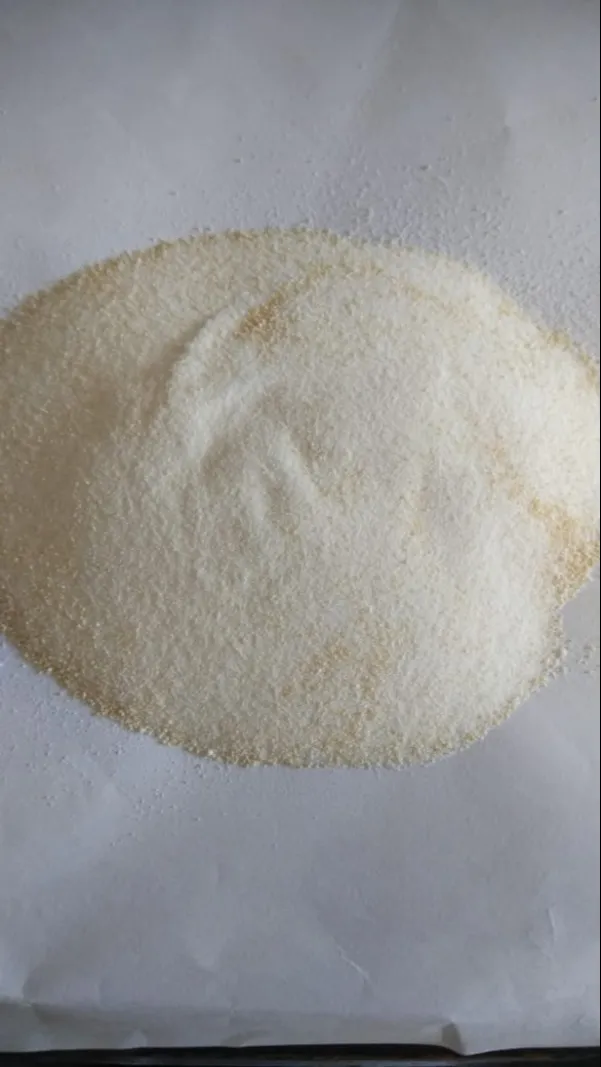
Appearance: Colorless, transparent crystals
Common names: Glauber’s salt, Mirabilite (natural mineral form)
Anhydrous (Na₂SO₄) — used in detergents and glass
Heptahydrate (Na₂SO₄·7H₂O) — rarely stable
Decahydrate (Na₂SO₄·10H₂O) — stable below 32.4 °C
Production Methods
There are several industrial routes to produce sodium sulfate decahydrate, depending on raw material availability and purity requirements.
From Chemical Reaction (By-product Recovery)
Route 1: From Sodium Chloride and Sulfuric Acid (Mannheim Process)
This is actually used for sodium sulfate (anhydrous), but if cooled below 32 °C, decahydrate can be crystallized.
The Mannheim furnace produces anhydrous sodium sulfate.
On cooling aqueous solutions of Na₂SO₄ below 32 °C, Na₂SO₄·10H₂O crystallizes.
By-product from Hydrochloric Acid / Sodium Dichromate / Caprolactam Plants
Sodium sulfate is often a by-product of:
Caprolactam (nylon precursor) production
Chromic acid / dichromate manufacture
Hydrochloric acid synthesis (H₂SO₄ + NaCl route)
Recovery Method:
Neutralize impurities
Evaporate to near saturation
Cool below 32 °C
Centrifuge → Glauber’s salt crystals
Reuse mother liquor
6. Equipment Used
Reaction vessel (if synthetic route)
Evaporator / crystallizer
Cooling crystallizer (brine-cooled or jacketed type)
Centrifuge or filter press
Storage silos (cool & dry)
Conveyor or packing line
. Environmental Notes
Production effluent may contain residual sodium or sulfate ions — treat before discharge.
Solid waste minimal (mainly filters/sludge).
NOx/SOx control not required unless sulfuric acid is reacted on-site.
Main Function in the Pulp & Paper Industry
🪵 A. Role in the Kraft (Sulfate) Pulping Process
Sodium sulfate is a make-up chemical used in the chemical recovery cycle of Kraft pulping (also known as the sulfate process).
It helps maintain the correct balance of sodium and sulfur in the pulping chemicals.
White liquor composition:
Sodium hydroxide (NaOH)
Sodium sulfide (Na₂S)
These are the active pulping chemicals.
. Where Sodium Sulfate Fits In
Sodium sulfate enters the chemical recovery cycle as a make-up salt.
It is reduced to sodium sulfide (Na₂S) in the recovery furnace, thus replenishing the active pulping chemicals.
Process Overview
1. Purpose of Kraft Pulping
To separate lignin (the glue binding wood fibers) from cellulose fibers using a strongly alkaline cooking liquor called white liquor.
Explanation:
In the recovery boiler, black liquor (spent cooking liquor rich in organic matter) is burned.
Organic carbon reduces sodium sulfate to sodium sulfide.
The smelt formed contains Na₂S and Na₂CO₃, which dissolve in water to form green liquor.
Equipment Used
Make-up chemical dosing system (hopper + screw feeder)
Recovery boiler (for sulfate reduction)
Smelt dissolver
Causticizing plant
Evaporators & filters
In short:
Sodium sulfate is a cornerstone make-up chemical in the Kraft process — maintaining the sodium-sulfur balance, enabling regeneration of active pulping chemicals, and supporting efficient, sustainable pulp productio
- Informational: what is sodium sulphate, uses of sodium sulphate
- Commercial: sodium sulphate price per kg, supplier comparison
- Transactional: buy sodium sulphate online, bulk sodium sulphate for sale
- Long-tail: sodium sulphate for detergents, sodium sulphate for glass industry
Chemical name: Sodium sulfate decahydrate
Formula: Na₂SO₄·10H₂O
Molecular weight: 322.20 g/mol
Appearance: Colorless, transparent crystals
Common names: Glauber’s salt, Mirabilite (natural mineral form)
Anhydrous (Na₂SO₄) — used in detergents and glass
Heptahydrate (Na₂SO₄·7H₂O) — rarely stable
Decahydrate (Na₂SO₄·10H₂O) — stable below 32.4 °C
Production Methods
There are several industrial routes to produce sodium sulfate decahydrate, depending on raw material availability and purity requirements.
From Chemical Reaction (By-product Recovery)
Route 1: From Sodium Chloride and Sulfuric Acid (Mannheim Process)
This is actually used for sodium sulfate (anhydrous), but if cooled below 32 °C, decahydrate can be crystallized.
The Mannheim furnace produces anhydrous sodium sulfate.
On cooling aqueous solutions of Na₂SO₄ below 32 °C, Na₂SO₄·10H₂O crystallizes.
By-product from Hydrochloric Acid / Sodium Dichromate / Caprolactam Plants
Sodium sulfate is often a by-product of:
Caprolactam (nylon precursor) production
Chromic acid / dichromate manufacture
Hydrochloric acid synthesis (H₂SO₄ + NaCl route)
Recovery Method:
Neutralize impurities
Evaporate to near saturation
Cool below 32 °C
Centrifuge → Glauber’s salt crystals
Reuse mother liquor
6. Equipment Used
Reaction vessel (if synthetic route)
Evaporator / crystallizer
Cooling crystallizer (brine-cooled or jacketed type)
Centrifuge or filter press
Storage silos (cool & dry)
Conveyor or packing line
. Environmental Notes
Production effluent may contain residual sodium or sulfate ions — treat before discharge.
Solid waste minimal (mainly filters/sludge).
NOx/SOx control not required unless sulfuric acid is reacted on-site.
Main Function in the Pulp & Paper Industry
🪵 A. Role in the Kraft (Sulfate) Pulping Process
Sodium sulfate is a make-up chemical used in the chemical recovery cycle of Kraft pulping (also known as the sulfate process).
It helps maintain the correct balance of sodium and sulfur in the pulping chemicals.
White liquor composition:
Sodium hydroxide (NaOH)
Sodium sulfide (Na₂S)
These are the active pulping chemicals.
. Where Sodium Sulfate Fits In
Sodium sulfate enters the chemical recovery cycle as a make-up salt.
It is reduced to sodium sulfide (Na₂S) in the recovery furnace, thus replenishing the active pulping chemicals.
Process Overview
1. Purpose of Kraft Pulping
To separate lignin (the glue binding wood fibers) from cellulose fibers using a strongly alkaline cooking liquor called white liquor.
Explanation:
In the recovery boiler, black liquor (spent cooking liquor rich in organic matter) is burned.
Organic carbon reduces sodium sulfate to sodium sulfide.
The smelt formed contains Na₂S and Na₂CO₃, which dissolve in water to form green liquor.
Equipment Used
Make-up chemical dosing system (hopper + screw feeder)
Recovery boiler (for sulfate reduction)
Smelt dissolver
Causticizing plant
Evaporators & filters
In short:
Sodium sulfate is a cornerstone make-up chemical in the Kraft process — maintaining the sodium-sulfur balance, enabling regeneration of active pulping chemicals, and supporting efficient, sustainable pulp productio
- Informational: what is sodium sulphate, uses of sodium sulphate
- Commercial: sodium sulphate price per kg, supplier comparison
- Transactional: buy sodium sulphate online, bulk sodium sulphate for sale
- Long-tail: sodium sulphate for detergents, sodium sulphate for glass industry
Keywords