

Sodium Acetate in the Soap and Detergent Industry
• sodium acetate supplier
• sodium acetate manufacturer
• sodium acetate distributor
• buy sodium acetate online
• sodium acetate price per kg
• bulk sodium acetate
1. Chemical Identity
Property Description
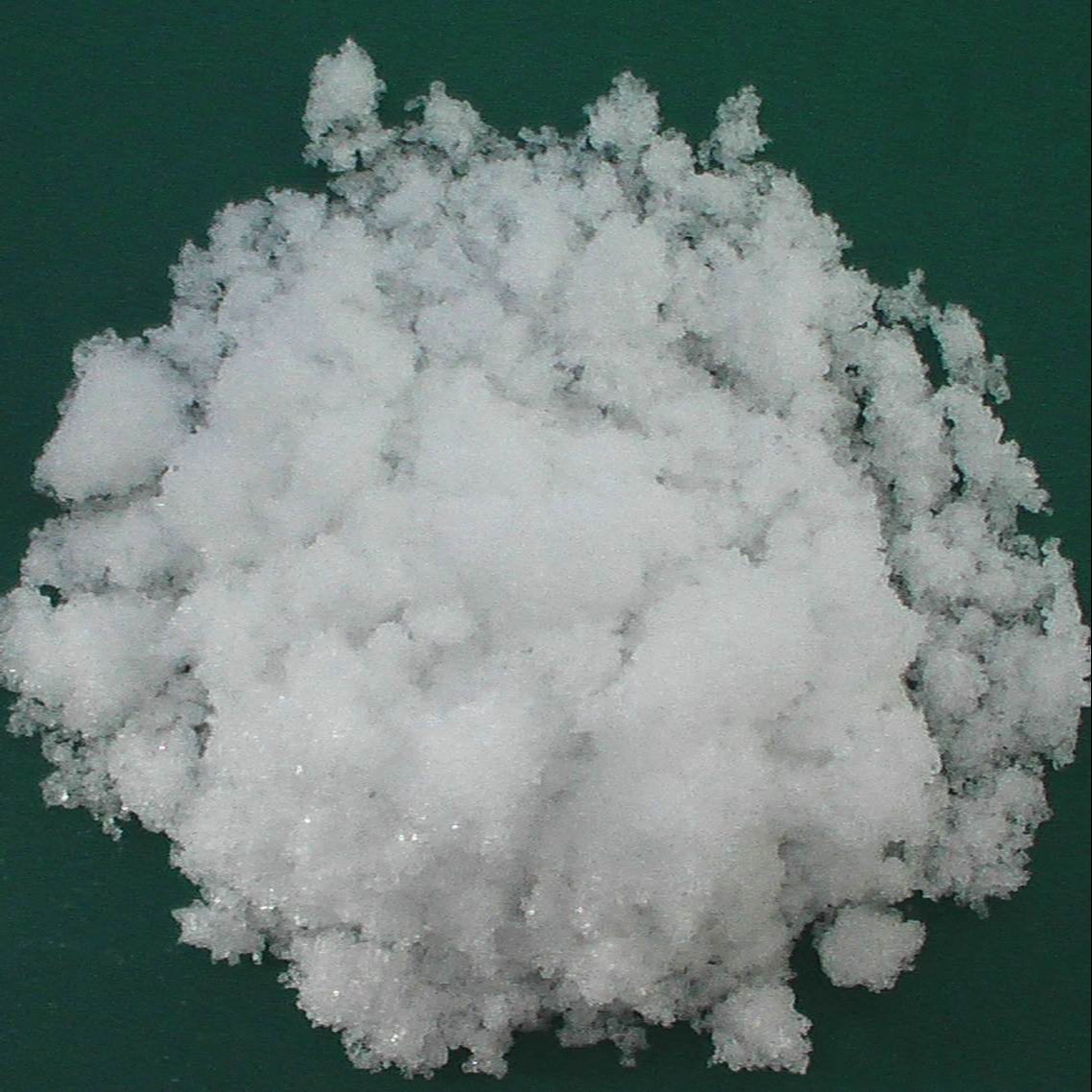
Chemical Name Sodium Acetate (Anhydrous or Trihydrate)
Formula CH₃COONa or CH₃COONa·3H₂O
Molecular Weight 82.03 (Anhydrous), 136.08 (Trihydrate)
Nature Mild alkaline salt, water-soluble
pH (5% solution) 7.5 – 9.0
2. Role in Soap & Detergent Formulation
Sodium acetate serves as a pH stabilizer, viscosity regulator, and processing aid in both soap bars and liquid detergent formulations.
A. As a pH Buffer / Stabilizer
Sodium acetate helps maintain pH in the mildly alkaline range (7.0–8.5), ideal for soaps and detergents.
It neutralizes excess acid from fatty acid saponification or anionic surfactant blends.
Prevents pH drift during long storage, ensuring consistent product quality.
• sodium acetate for food industry
• sodium acetate for pharmaceuticals
• sodium acetate for textile dyeing
• sodium acetate for water treatment
• sodium acetate for heating pads
• sodium acetate buffer solution preparation
Effect:
* Prevents product degradation
* Protects perfumes, dyes, and enzymes from acid/base attack
* Improves skin mildness and foam stability
B. As a Processing Aid
• sodium acetate supplier in Vadodara
• sodium acetate manufacturer in Gujarat
• buy sodium acetate in India
• sodium acetate distributor near me
• sodium acetate exporter Asia Pacific
Enhances viscosity control during blending and homogenization.
Reduces crystallization in soap noodles or liquid formulations.
Aids in moisture retention, preventing cracking in toilet soap bars.
Used especially in:
High Total Fatty Matter (TFM) soaps
Glycerin-based soaps
Transparent or medicated soaps
C. As a Corrosion Inhibitor
Sodium acetate provides mild corrosion inhibition to metallic equipment during mixing and storage.
It minimizes rusting in stainless-steel tanks used for detergent slurry preparation.
D. As a Deodorizing and Stabilizing Agent
Neutralizes residual acidic or sulfur-containing compounds (from fatty acids or perfumes).
Improves odor stability and product shelf life.
Industrial Practices in India
Commonly used by detergent powder, liquid soap, and bath soap manufacturers in Gujarat, Maharashtra, Tamil Nadu, and Uttar Pradesh.
Available as technical-grade sodium acetate (98–99% purity).
Used in combination with sodium carbonate, sodium silicate, and borax for buffering and water-softening effect
Safety and Handling
Non-toxic, non-corrosive, biodegradable salt.
Avoid contact with moisture; store in airtight HDPE bags or drums.
Shelf life: 12–18 months in dry storage conditions.
Summary of Key Benefits
* Maintains consistent pH → better product stability
* Prevents soap cracking and color fading
* Improves foam, fragrance, and smoothness
* Safe, biodegradable, and economical additive
Chemical Name Sodium Acetate (Anhydrous or Trihydrate)
Chemical Formula CH₃COONa or CH₃COONa·3H₂O
Molecular Weight 82.03 (Anhydrous), 136.08 (Trihydrate)
Nature Mild alkaline salt, water-soluble
pH (5% solution) 7.5 – 9.0
2. Key Role in Textile Processing
Sodium acetate is widely used as a pH buffer, neutralizing agent, and dye bath stabilizer in textile dyeing and finishing processes.
Its primary function is to maintain uniform pH conditions, ensuring consistent color shades, dye fixation, and fiber quality.
3. Major Applications
🔸 A. Dyeing Process (Buffering and pH Control)
Acts as a buffer in dye baths for reactive, direct, acid, and disperse dyes.
Maintains controlled mildly acidic conditions (pH 4–6), essential for even dye uptake.
Replaces acetic acid where milder pH control is desired — less corrosive and more stable.
Prevents dye hydrolysis and uneven shade formation.
Result:
* Uniform shade and depth
* Improved dye fixation
* Reduced fabric damage from strong acids
🔸 B. Neutralizing Agent (After Dyeing / Soaping)
Used for neutralizing residual alkali (sodium carbonate or caustic soda) after scouring, bleaching, or mercerization.
Prevents harsh alkaline effects on fabric and improves softness and handle.
Neutralization is gentle — avoids excessive acidification unlike mineral acids.
🔸 C. Textile Printing
Used in print paste formulations to stabilize the pH and prevent premature dye fixation.
Enhances sharpness and brightness of printed patterns.
🔸 D. Finishing and Fabric Treatment
Maintains pH balance during softening, finishing, or coating processes.
Prevents yellowing or degradation of fabric during high-temperature drying.
Improves the stability of finishing agents and enzymes.
4. Advantages of Sodium Acetate in Textile Processing
Property Benefit
Buffering Capacity Maintains pH 4–6; ideal for most dyes
Color Consistency Prevents patchy or uneven dyeing
Corrosion Resistance Milder alternative to acetic acid
Fiber Protection Gentle on cellulose and protein fibers
Odorless & Non-volatile No vinegar smell; safer handling
Improved Fabric Quality Enhances softness, gloss, and brightness
5. Typical Dosage Guidelines
Process Sodium Acetate Concentration Purpose
Reactive dyeing (Cotton) 1–5 g/L Buffering & pH control
Acid dyeing (Wool/Silk) 0.5–3 g/L pH adjustment
Disperse dyeing (Polyester) 1–4 g/L Stabilizer & leveling agent
Neutralization bath 1–2 g/L Removes residual alkali
Printing paste 1–3% w/w pH control & dye stability
(Exact dosage depends on fabric type, dye class, and bath volume.)
6. Industrial Relevance in India
Extensively used in textile hubs such as Surat, Tirupur, Erode, Ludhiana, Ahmedabad, and Vapi.
Common in cotton, polyester, silk, and blended fabric processing units.
Preferred for eco-friendly and low-corrosion operations.
Available as industrial grade sodium acetate (98–99% purity).
7. Comparison with Acetic Acid
Parameter Sodium Acetate Acetic Acid
pH Control Mild and stable Sharp and acidic
Corrosion Non-corrosive Corrosive to steel and copper
Odor Odorless Pungent
Safety Safer to handle Irritant
Environmental Impact Biodegradable, eco-friendly Higher VOC emissions
Conclusion: Sodium acetate is a safer and more controlled pH regulator compared to acetic acid, especially for sensitive fabrics and automated dyeing systems.
8. Typical Product Specifications
Parameter Specification
Purity Min. 98%
Moisture (Anhydrous) ≤ 2%
pH (5% solution) 7.5–9.0
Insoluble Matter ≤ 0.05%
Heavy Metals < 0.001%
Appearance White crystalline powder
Solubility Completely soluble in water
9. Packaging & Supply (Typical for Indian Market)
Packaging: 25 kg / 50 kg HDPE bags with inner liner
Grade: Industrial / Textile / Technical
HSN Code: 29152990
Price Range (2025): ₹25–₹50 per kg depending on purity and grade
10. Summary of Benefits in Textile Applications
* Maintains consistent dye bath pH
* Prevents uneven dyeing and staining
* Improves dye yield and color reproducibility
* Eco-friendly and corrosion-free alternative to acetic acid
* Enhances softness, finish, and brightness of fabrics